Eating out with a gluten-free child is mostly a communication problem rather than a menu problem. Plenty of kitchens can feed your child safely; the difficulty is finding out which ones, quickly, at the counter, with a hungry four-year-old attached to your leg.
The short version: call or check the menu before you go, say “cannot eat gluten” rather than “prefers gluten free”, ask specifically how the dish is prepared rather than whether it is gluten free, and judge the venue on the quality of the answer. A kitchen that checks is worth more than one with a long gluten-free menu and a vague reply.
One thing to say plainly at the start: if your child has coeliac disease or a diagnosed wheat allergy, the guidance that matters is your clinician’s, not a cafe blog’s. What follows is the practical side of eating out, not medical advice.
Before you leave the house
- Look at the menu online. Two minutes now saves a difficult conversation later, and lets your child choose in advance.
- Call ahead if it matters medically. Mid-morning is the best time to reach someone who can actually answer; the middle of a lunch service is not.
- Ask one specific question: “How do you handle gluten free — is it prepared separately?” The answer tells you far more than a menu symbol.
- Have a fallback venue in mind, so a poor answer is not a crisis.
What a good answer sounds like
You are listening for specificity. Compare these two replies to the same question:
| A good sign | A warning sign |
|---|---|
| “Which dish? Let me check with the kitchen.” | “Everything’s fine, we do gluten free.” |
| “That one’s naturally gluten free, but it’s cooked in the same fryer.” | “It doesn’t have any bread in it.” |
| “We use a separate board and a clean pan for that.” | “I think so?” |
| “Is it an allergy or a preference?” | Not asking at all |
| “I’ll flag it on the ticket.” | Taking the order without noting it |
The distinction that matters most is between gluten free ingredients and gluten free preparation. A dish can contain no wheat and still be cooked in shared oil or on a shared surface. A kitchen that volunteers that difference is one that understands it.
Saying it clearly
Wording matters more than most people expect, because staff hear “gluten free” from a wide range of people meaning a wide range of things.
- Say “cannot eat gluten” rather than “is gluten free”. It signals necessity rather than preference.
- Say it when you order, not when the food arrives.
- Name it as an allergy if it is one. Most kitchens have a different process for allergies, and you want that process.
- Keep it short. Staff do not need an explanation of coeliac disease; they need to know it is medical and which dish it applies to.
- Repeat it once, kindly, when the food arrives. Tickets get lost.
The Gluten Intolerance Group’s guidance on transitioning a child to a gluten free diet covers the wider practicalities if this is new to your family, including how to talk to your child about it.
Involving your child
Children manage this better when they are part of the conversation rather than the subject of it. From about four, most can learn to say “I can’t eat gluten” themselves, which is a genuinely useful skill by the time they are going to parties without you.
Letting them choose from the safe options, rather than being handed the one thing they can have, also changes how the meal feels. It is a small thing that makes eating out feel less like a restriction.
What tends to be safest on a menu
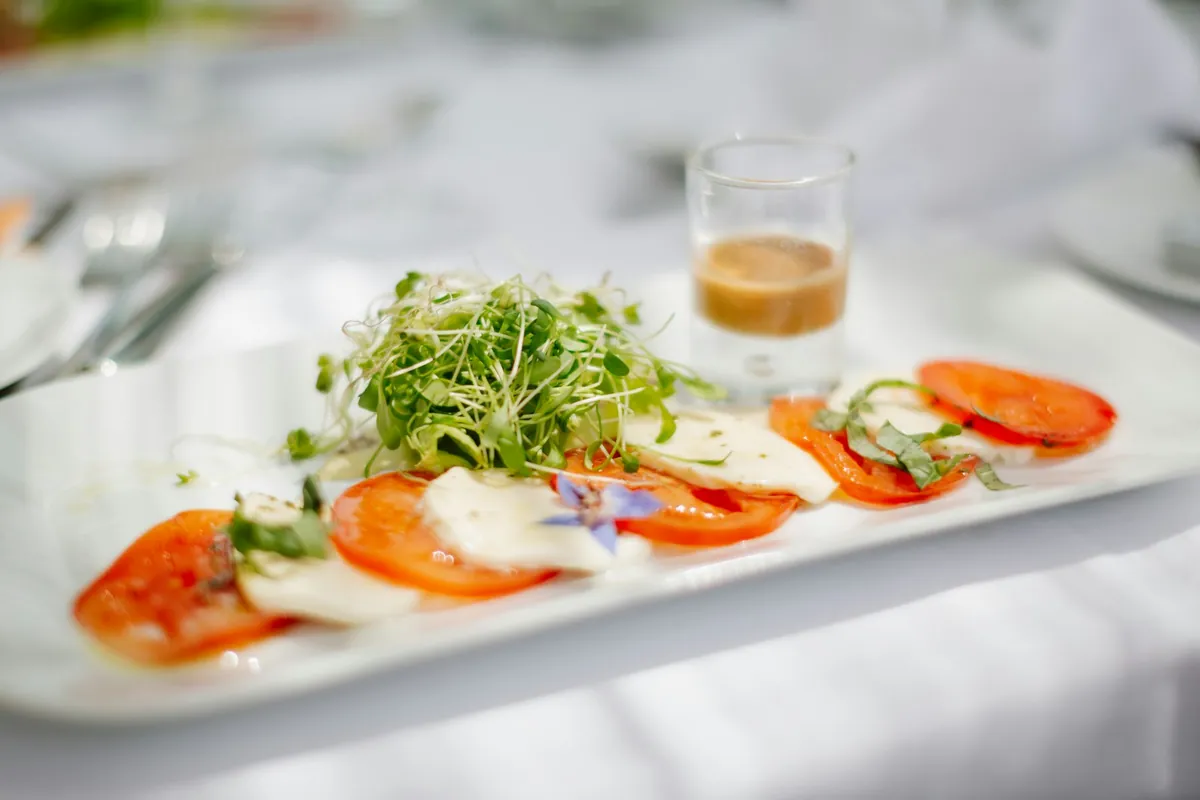
Without knowing a specific kitchen, these categories usually cause fewest problems — though all of them still depend on preparation:
- Eggs, cooked plainly
- Grilled or baked meat and fish without a sauce or coating
- Plain rice and potatoes, not from a shared fryer
- Fruit, and salads without croutons or dressing
- Plain dairy — yoghurt, cheese, milk
The usual hidden sources are soy sauce, stock and gravy, batter and breadcrumbs, thickened sauces, and shared fryers. Toast is the one people forget: gluten free bread put through a shared toaster is no longer gluten free.
Making it a normal outing
What helps
- Go somewhere you have already checked, on a first visit with a nervous child
- Eat early, when the kitchen is quieter and staff have time to check
- Bring one safe backup item, in case the answer is no
- Have the conversation away from your child if they find it embarrassing
- Go back to places that got it right — regulars get better service
- Say thank you when a kitchen takes it seriously
Birthday parties and other people’s food
Parties are harder than restaurants, because the food comes from a dozen sources and nobody is tracking it. The approach most families settle on is to send a safe plate with their child, tell the host in advance, and treat it as normal rather than a production.
If you are hosting and one of your guests cannot eat gluten, ask their parent directly what is safe rather than guessing, and keep the safe food on a separate plate away from everything else.
The short version is on our about page: one sister’s gluten allergy is the reason this kitchen exists.
Where our own kitchen came from
Two Sisters Play Cafe exists partly because of this. Anne’s gluten allergy sent the two sisters into their own kitchen years before the cafe opened, working through gluten free substitutes for the recipes they wanted to keep, and gluten free cooking has been part of the menu since.
That is the origin rather than a guarantee — if your child has a diagnosed allergy or coeliac disease, ask us directly about current options and how they are prepared, exactly as you would anywhere else. Our menu page covers what the kitchen generally offers, and contact us is the fastest way to ask something specific.
For allergies more broadly — nuts, dairy, egg — the conversation is a slightly different one, covered in our guide to eating out with food allergies.
Judging a venue overall
Gluten free handling is one of the better proxies for how a kitchen runs generally. A place that takes it seriously usually gets the rest right too. It sits alongside the other signals we cover in what makes a cafe family friendly, and our guide to reading a children’s menu covers what to order once you have found somewhere that works.
Frequently asked questions
How do I ask about gluten free food at a cafe?
Say your child cannot eat gluten, name the dish, and ask how it is prepared rather than whether it is gluten free. Do it when you order, not when the food arrives.
What is the difference between gluten free ingredients and gluten free preparation?
A dish can contain no gluten and still be cooked in shared oil or on a shared surface. If it matters medically, preparation is the part to ask about.
Should I bring backup food?
On a first visit somewhere new, yes. One safe item in the bag means a poor answer at the counter is an inconvenience rather than a ruined outing.
At what age can a child manage this themselves?
Many children can say “I can’t eat gluten” clearly from around four, and it is worth practising before they start going to parties without you.
Is gluten free food at a cafe safe for coeliac disease?
That depends entirely on the individual kitchen and how it prepares food, so ask directly. For medical guidance, follow your clinician rather than any general advice.
In short
Check ahead, say “cannot eat gluten”, ask about preparation rather than ingredients, and judge the venue on how carefully it answers. Once you find two or three places that get it right, eating out stops being the difficult part.
Ask us anything
Gluten free cooking is where Two Sisters Play Cafe started. Have a look at the menu, or get in touch about specific dietary needs.