“Family friendly” is a claim almost every cafe makes and relatively few earn. The difference is rarely a kids’ menu. It is whether the room has been set up on the assumption that a small child will be in it.
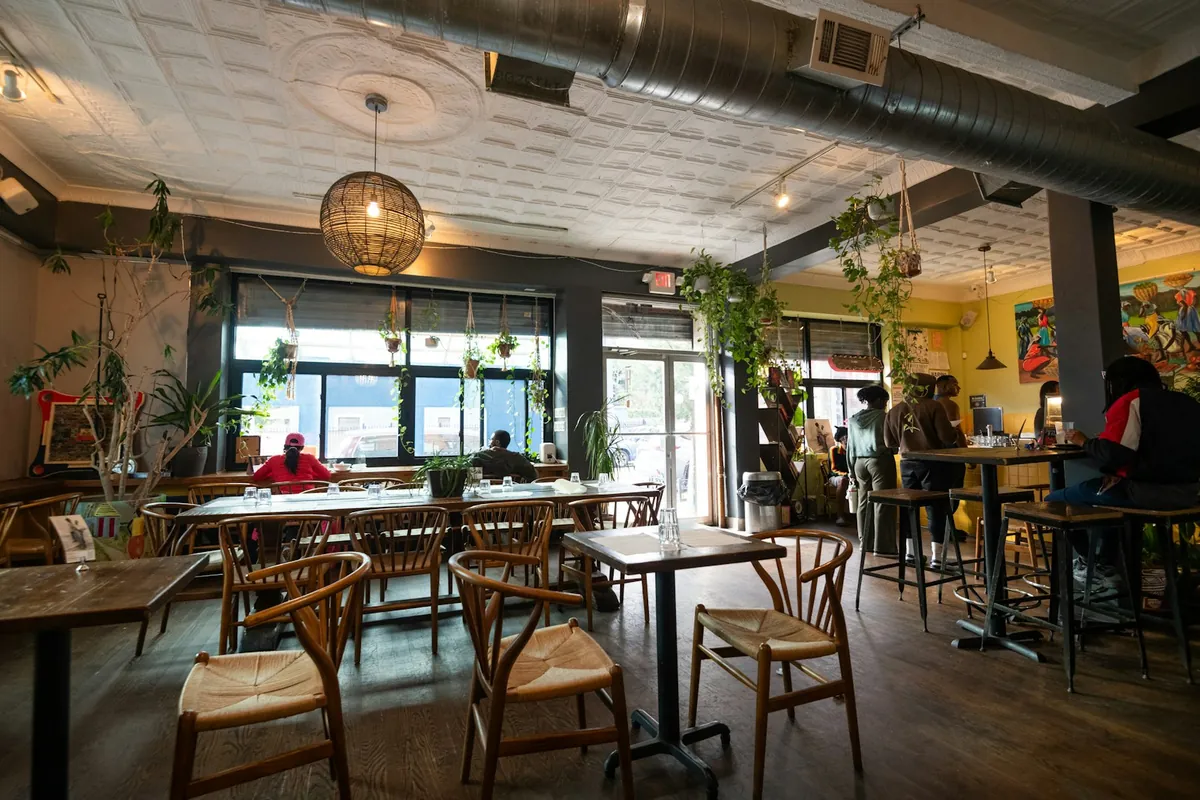
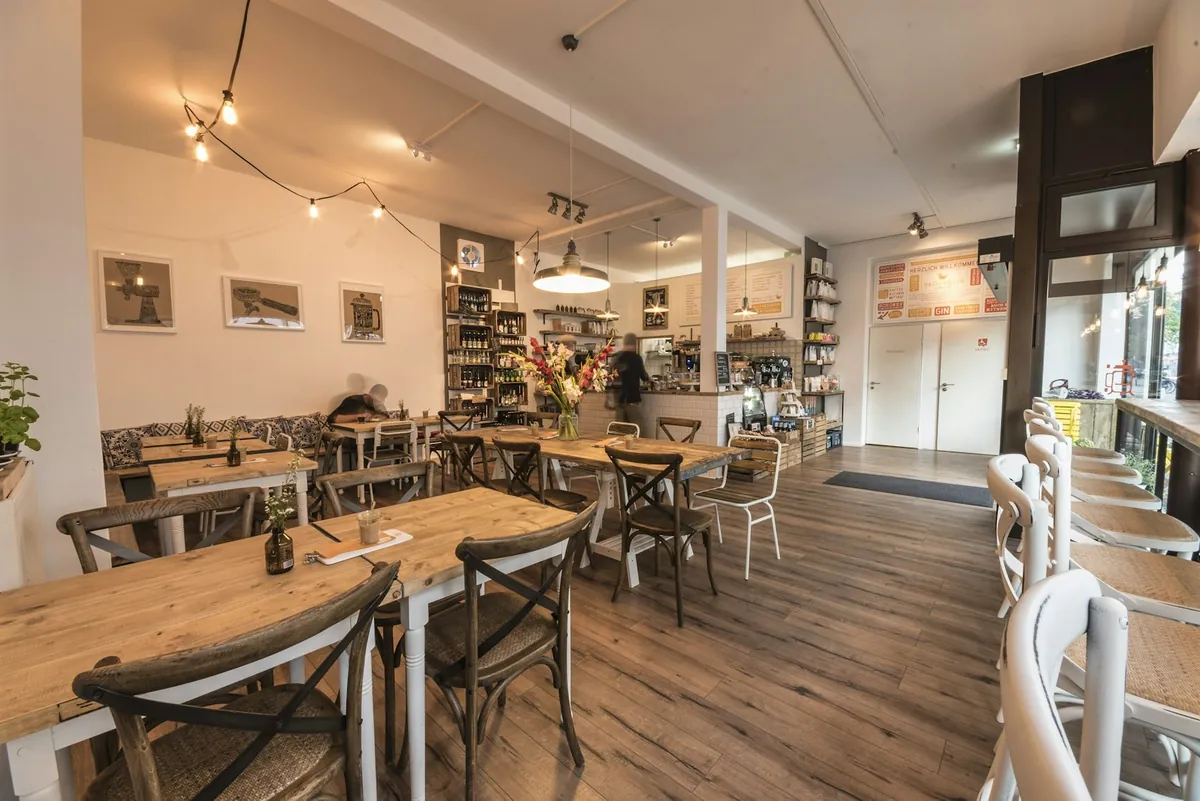
The quick test: look for high chairs already out on the floor, a changing table, space between tables for a pram, and background noise. A cafe with all four expects children. A silent room with tightly packed tables and one high chair in a cupboard does not, whatever the sign says.
The signals that actually matter
Somewhere for the child to be
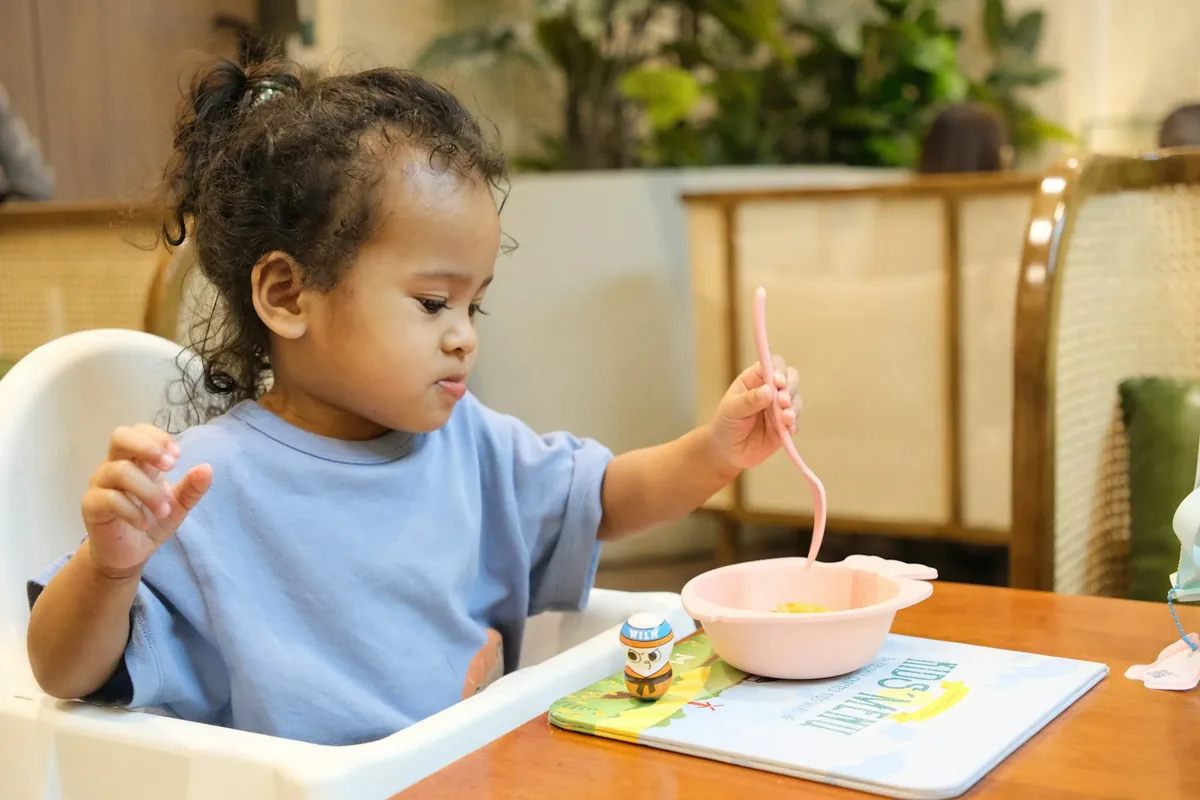
High chairs visible rather than stored away. Booth seating or a corner table. Enough floor space that a pram does not block a walkway. If a cafe has thought about where a fifteen-month-old physically goes, it has thought about the rest.
Background noise
This is the most underrated factor. A busy room absorbs a shriek; a quiet one broadcasts it. The stress of eating out with a toddler is mostly the fear of disturbing other people, and a moderately noisy cafe removes it almost entirely.
Speed of the first thing
Whether it is bread, fruit or a babyccino, something arriving in the first five minutes changes the whole meal. Cafes that understand families bring something out early without being asked.
Staff who are not thrown by mess
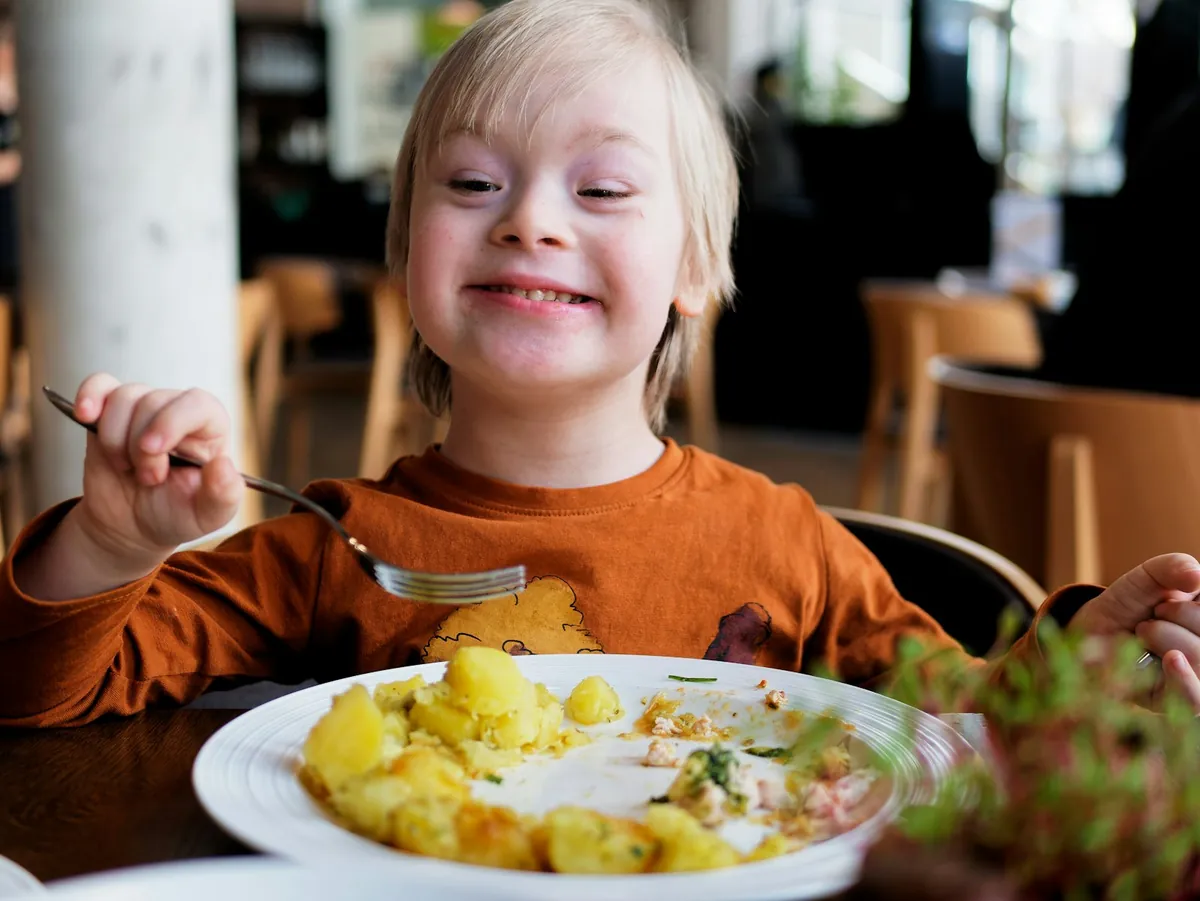
The tell is how someone reacts to a dropped fork. A cafe where the answer is a cloth and a replacement, delivered without comment, is a cafe that has families in regularly.
A checklist you can run in thirty seconds
From the doorway
- Are there high chairs out on the floor?
- Can you get a pram between the tables?
- Is there ambient noise, or is it silent?
- Are there other children in the room?
- Is there a changing table — and is it in an accessible toilet, not just the ladies?
- Do the tables have anything breakable set on them by default?
- Is there somewhere a child could stand up and move without being in the way?
Four or more yeses and you will probably have a decent meal. Two or fewer and you may spend the whole time managing the situation rather than eating.
The menu question
A separate children’s menu is less important than most cafes assume. What matters more:
- Something plain available. Toast, pasta, plain rice, fruit — food a cautious eater will actually eat.
- Willingness to adapt. Half portions, sauce on the side, no dressing.
- Reasonable timing. Kids’ food out first, or at least at the same time.
- Allergen information that is easy to get. Staff who know, or a menu that says.
If your child has a diagnosed food allergy, the venue’s handling of it is the single most important thing about it. The FDA’s guidance on food allergies covers the major allergens and labelling; in a cafe, the practical test is whether staff take the question seriously and check rather than guess.
For dietary needs specifically, see our guide to eating out with a gluten-free child.
Family friendly is not the same as child focused
| Family friendly cafe | Child-focused venue | |
|---|---|---|
| Primary purpose | Food and drink, children welcome | Play, food secondary |
| Adult experience | A proper meal and decent coffee | Supervising, often standing |
| Noise | Busy but conversational | Loud |
| Typical stay | 45–75 minutes | 1–3 hours |
| Suits | A meal out with children present | An outing built around the children |
A play cafe sits between the two: a working kitchen with a dedicated play space attached, so the meal is genuine but the children have somewhere to go. If that is new to you, our guide to what a play cafe is explains how a visit works.
Once you are there, our guide to reading a children’s menu covers what to order.
Timing beats venue choice
Even a mediocre cafe works at 8:30am. Even an excellent one struggles at 1pm on a Saturday with a tired two-year-old. Arriving early — before the room fills, before your child is properly hungry — does more than any amount of venue research.
We have gone into this in more detail in our guide to eating out with toddlers.
What to do if it turns out not to be
Sometimes you get it wrong. If the room is silent and the tables are packed, it is entirely reasonable to order something quick, keep it short, and leave. It is not a failure, and it is far better than an hour of tension.
At the youngest end, our guide to eating out with a weaning baby covers what to order and what to bring.
What changes as your child gets older
The definition of family friendly shifts considerably between six months and six years, which is why a cafe that was perfect last year can suddenly stop working.
| Age | What matters most |
|---|---|
| 0–12 months | Space for a pram, somewhere to feed, a changing table |
| 1–2 years | High chairs, fast first food, tolerance for mess and noise |
| 2–4 years | Somewhere to move, plain food, a table away from the walkway |
| 4–7 years | Something to do while waiting, and being spoken to directly |
The middle two rows are the hardest, and they are exactly the ages where a venue with somewhere to move earns its place.
Seating is a large part of it — see our guide to high chairs and where to sit.
What good staff actually do
The difference between a cafe that tolerates children and one that welcomes them is almost entirely the people. The tells are small:
- They bring the high chair without being asked twice
- They speak to the child, not only about them
- They offer to bring something out early
- They clear a dropped plate without making a moment of it
- They tell you where the changing table is before you ask
None of this is expensive to do, which is why its absence is informative.
Being a good customer in return
Family-friendly cafes work when it goes both ways. The things that keep you welcome:
- Clear the worst of the mess under the table before you leave
- Keep your child out of walkways where hot drinks are carried
- Do not stay two hours over one coffee at the busiest time
- Tip reasonably if the service was patient
- Go back — regulars are why small cafes keep the high chairs
Frequently asked questions
What should I look for in a family friendly cafe?
High chairs out on the floor, a changing table, space for a pram, ambient noise, and something plain on the menu. Those five cover most of it.
Does a kids menu mean a cafe is family friendly?
Not on its own. Plenty of cafes with a children’s menu have no changing table and no room for a pram. The physical setup tells you more than the menu does.
What time is best to eat out with young children?
Early. Opening time or the start of lunch service, before the room is full and before hunger becomes urgent.
How is a play cafe different from a family friendly cafe?
A play cafe adds a dedicated, enclosed play space to the cafe, so children can leave the table and still be supervised. A family friendly cafe simply accommodates children well at the table.
In short
Look at the room rather than the sign. High chairs, a changing table, space to move and a bit of noise tell you more than any amount of marketing, and they are all visible from the door.
Breakfast and lunch with children in Milwaukie
Two Sisters Play Cafe serves breakfast and lunch with an indoor playroom beside the tables.