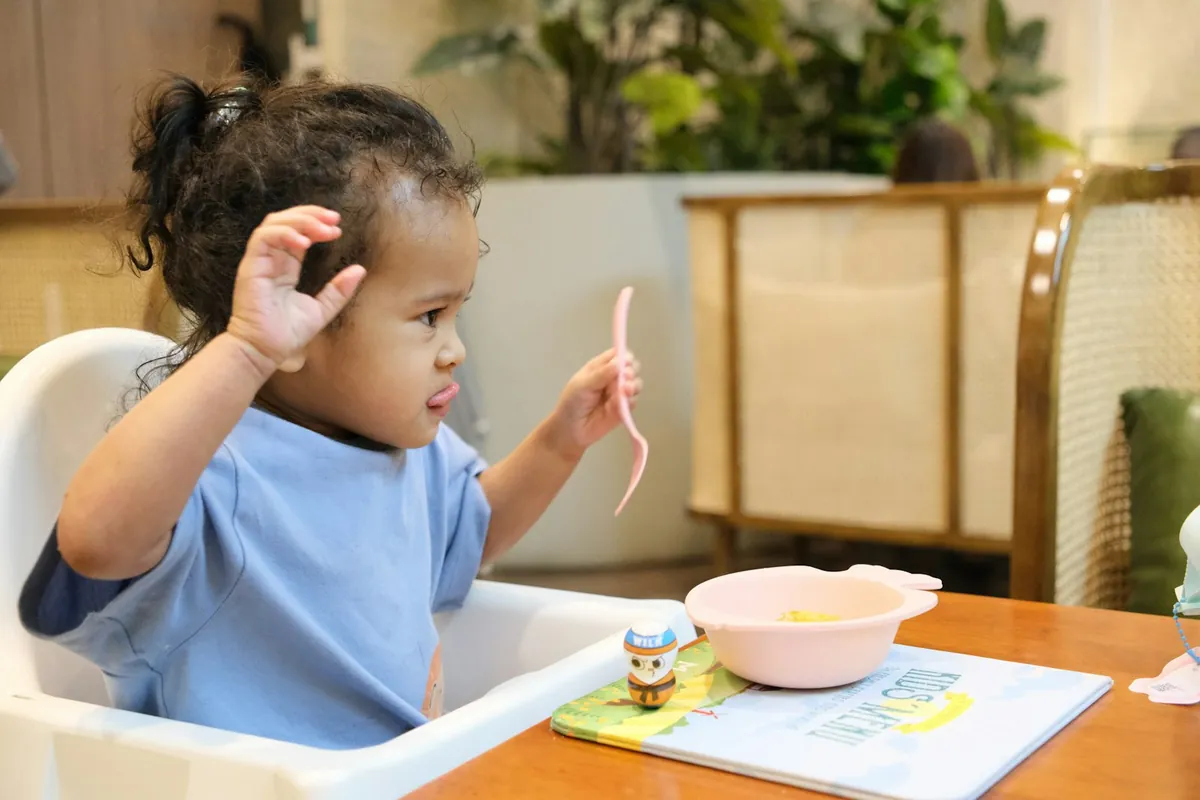
Somewhere around six months, eating out changes shape. Until then a baby is a passenger who feeds separately; suddenly they are at the table, wanting whatever you have, and distributing most of it onto the floor.
It is genuinely worth doing anyway. A cafe meal at this stage is not about nutrition, and treating it as a practice run rather than a meal removes most of the pressure from it.
Expect them to eat less, not more
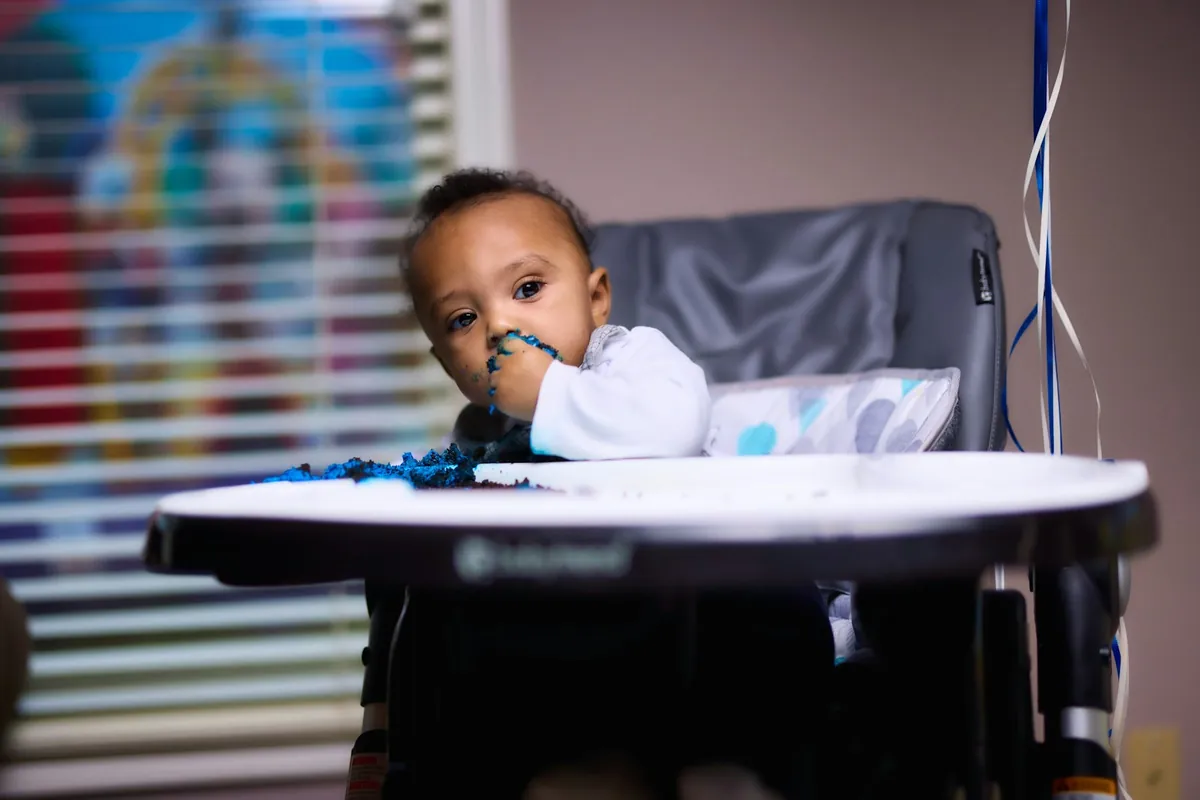
The first thing that surprises parents is how little a baby eats out. There is too much to look at: lights, other tables, a stranger walking past, a dog outside the window.
That is fine. At this age almost all of the calories still come from milk, and a meal where your baby licked a piece of melon and watched the room is a completely successful meal. Stanford Medicine Children’s Health’s feeding guide for the first year sets out what solids are actually for at this stage, and it is mostly practice.
Ordering off the adult menu
Most cafes have no baby food, and they do not need to. Plenty of ordinary menu items work once you look at them as components rather than dishes.
| Usually works | Why | Ask for |
|---|---|---|
| Plain toast fingers | Easy to hold, dissolves | No butter if you would rather |
| Cooked vegetables | Soft, easy to squash | Plain, no dressing or salt |
| Omelette or scrambled egg | Soft and self-contained | Cooked through |
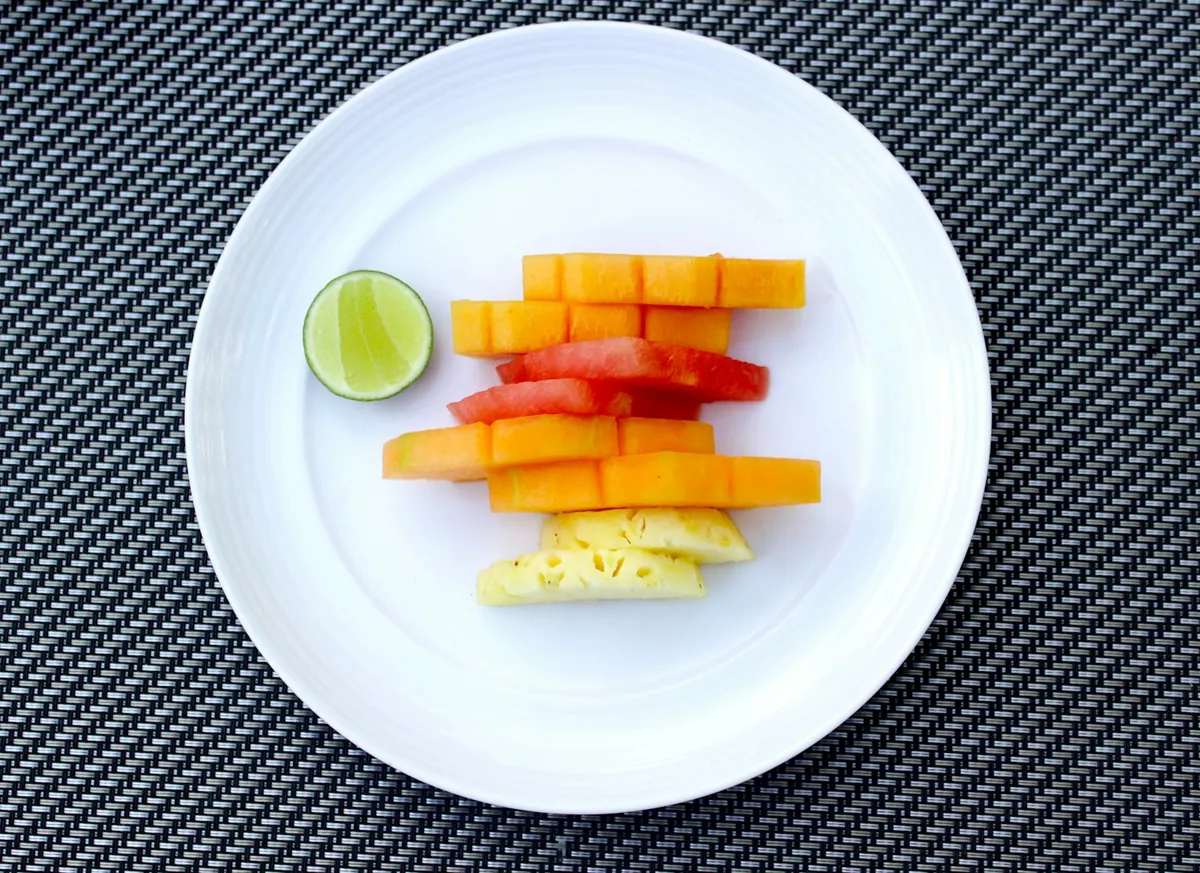
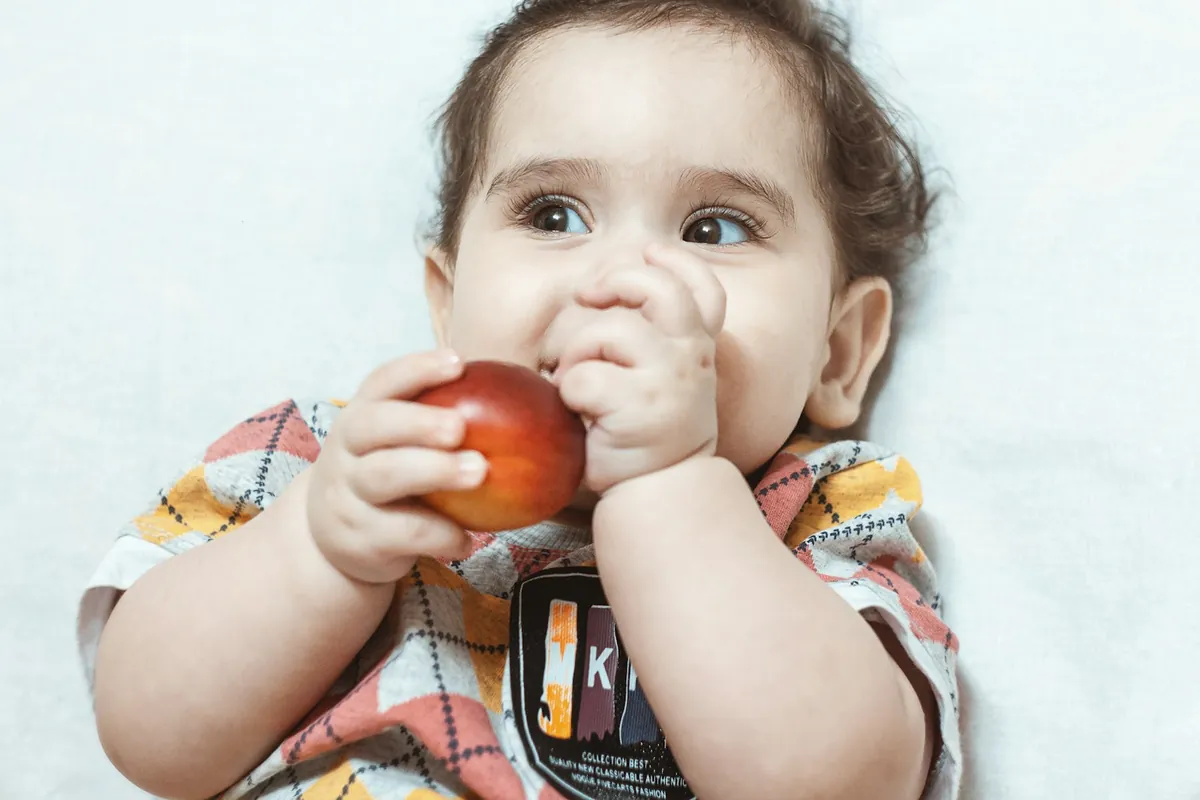
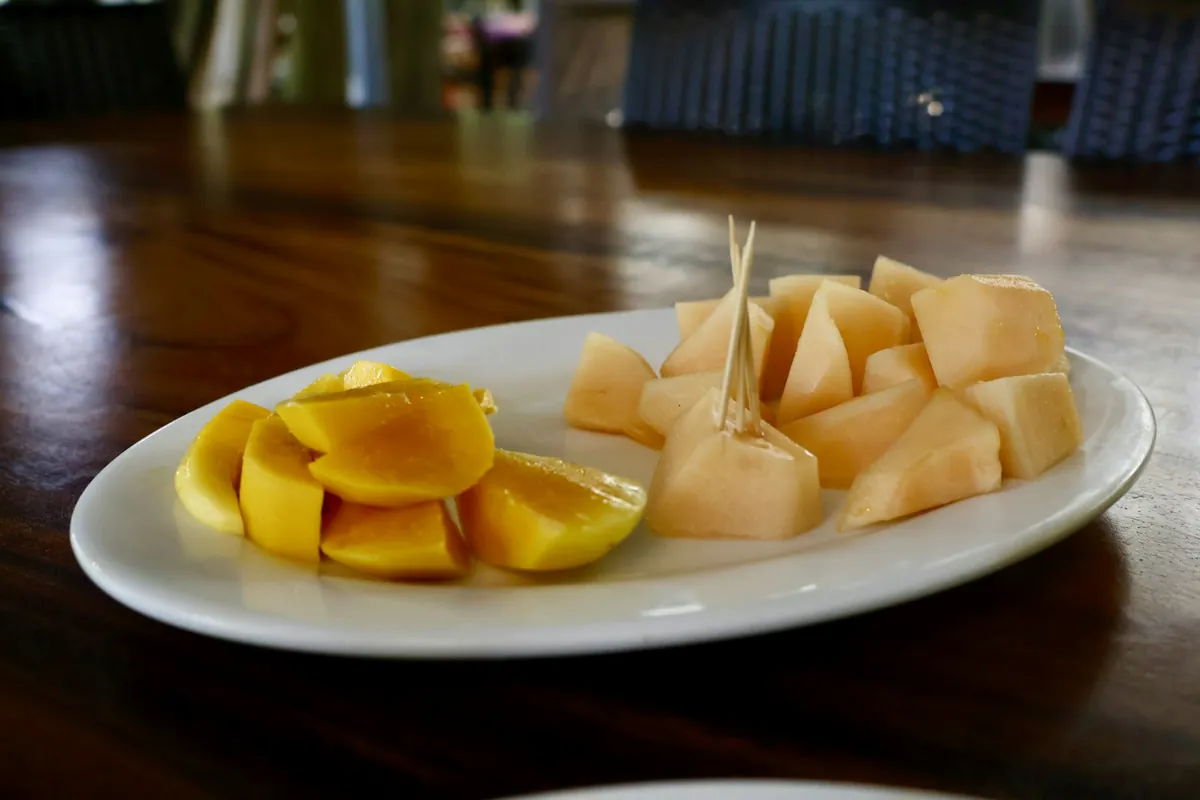
| Ripe fruit | No preparation needed | In strips, not cubes |
| Plain pasta | Graspable, familiar | Sauce on the side |
| Porridge | Warm and simple | Made with water if you prefer |
The two things worth asking about are salt and added sugar, both of which appear in more cafe food than you would expect. Bread, soup and sauces are the usual culprits, and a kitchen can often plate something before seasoning if you ask early.
The shapes that matter
How food is cut matters more than what it is, and it changes as they get older.
At the start, long strips are easier than small pieces, because a baby who cannot yet pick up small things with finger and thumb needs something they can hold in a fist with an end sticking out. Later, once that pincer grip arrives, smaller pieces become useful.
Cafes rarely cut food this way, so a small pair of food scissors is the single most useful thing in the bag. If you would rather not carry them, ordering things that are already the right shape — toast fingers, vegetable sticks, pasta shapes — does the same job.
Two things worth avoiding out of the house specifically: anything round and firm, and anything that turns to crumbs in the mouth. If you are unsure about a particular food, leave it for home rather than working it out in a busy cafe.
What to carry
The short list
- A wipe-clean bib, ideally one that rolls up rather than folds.
- Food scissors, or accept that you are cutting with a fork.
- A suction plate or mat, if your baby has discovered throwing.
- More wipes than you think. Twice as many.
- A backup pouch or familiar snack, for when nothing on the menu works.
- A spare top for you, not just for them.
The suction mat is the one people are sceptical about and then become evangelical about. At the stage where dropping food is itself the entertainment, anything that anchors the plate buys you ten minutes.
Timing and seating
Go at a quiet time and go when they are cheerful rather than starving. A baby who is genuinely hungry will not wait twenty minutes for food to arrive, so many parents give milk first and treat the solid part as the entertainment rather than the meal.
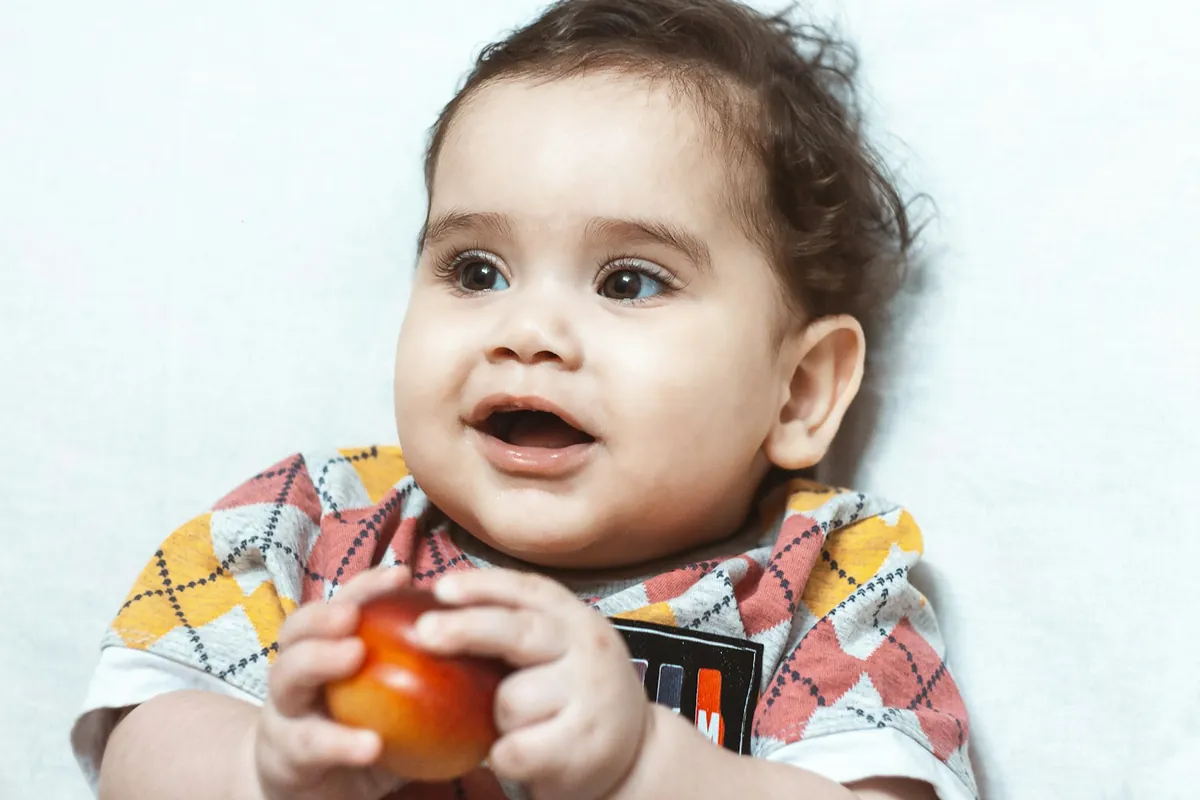
On seating, ask about high chairs when you book or as you walk in rather than after you sit down. If your baby is not yet steady sitting up, a chair with a proper harness matters; some cafe high chairs are little more than a raised seat.
A booth is worth asking for. It contains a baby better than an open table, gives you somewhere to put a car seat, and puts a wall behind them rather than a walkway.
On the chair itself, see our guide to high chairs and where to sit with a toddler.
The mess, and being reasonable about it
There is going to be a mess. That is not a failure of parenting and no reasonable cafe is surprised by it.
What is fair is a quick sweep of the worst of it before you leave — the floor particularly — and telling someone if something needs a mop rather than leaving it to be discovered. Anywhere that welcomes babies expects to clean up after them; what they appreciate is not being left the archaeological version.
Our guide to what to pack when eating out covers the wider bag, and what to look for on a kids menu becomes relevant a year or so later.
Milk still comes first, and that changes the plan
One thing that catches people out is the order of operations. For most of the first year milk remains the main event, and solids are added around it rather than replacing any of it.
In practice that means a cafe trip is easier if the milk feed happens before you sit down or after you leave, rather than in the middle of a meal you are trying to eat. A baby who arrives already fed will happily sit and play with food for twenty minutes; a hungry one will not be distracted by a piece of toast.
If you are feeding a bottle or breastfeeding while you are out, it is worth choosing a venue you already feel comfortable in. That is a smaller consideration than it was, but it is a real one, and the answer is usually a quieter room and a corner table rather than anywhere in particular.
Why it is worth doing early
Eating out with a baby is easier than eating out with a toddler, and parents who wait until the toddler stage find that out the hard way.
A six-month-old stays where they are put, has no opinion about the venue, and does not want to leave. Establishing that going out for food is a normal, unremarkable thing while that is still true makes the harder years considerably easier, because by then it is simply what your family does.
If you are combining it with somewhere to play, our guide to when babies can go to a play cafe covers what a first visit looks like, and our menu page lists what we serve.
Frequently asked questions
Can I take a baby who has just started solids to a cafe?
Yes, and it is easier at this stage than later. Treat it as practice rather than a meal — most of the calories still come from milk, so eating very little is a normal outcome.
What can a baby eat from a normal cafe menu?
Plain toast fingers, cooked vegetables, omelette or scrambled egg, ripe fruit, plain pasta and porridge all work. Ask for things plain, since salt and sugar turn up in more cafe food than people expect.
How should food be cut for a baby starting solids?
Long strips they can hold in a fist to begin with, since the pincer grip has not arrived yet. Smaller pieces become useful later. A small pair of food scissors is the most useful thing in the bag.
Why does my baby eat less when we are out?
Because there is far more to look at. Distraction reduces how much goes in, which is normal and not a problem at an age when solids are practice rather than the main source of nutrition.
What should I bring to a cafe with a weaning baby?
A roll-up bib, food scissors, a suction plate or mat, plenty of wipes, a familiar backup snack, and a spare top for yourself as well as the baby.