Almost every difficult cafe meal with a small child was decided in the first thirty seconds, before anybody opened a menu. It was decided by where you were sat and what you were sat in.
This is the least discussed part of eating out with children and one of the most useful to get right, largely because it is entirely within your control and costs nothing to ask for.
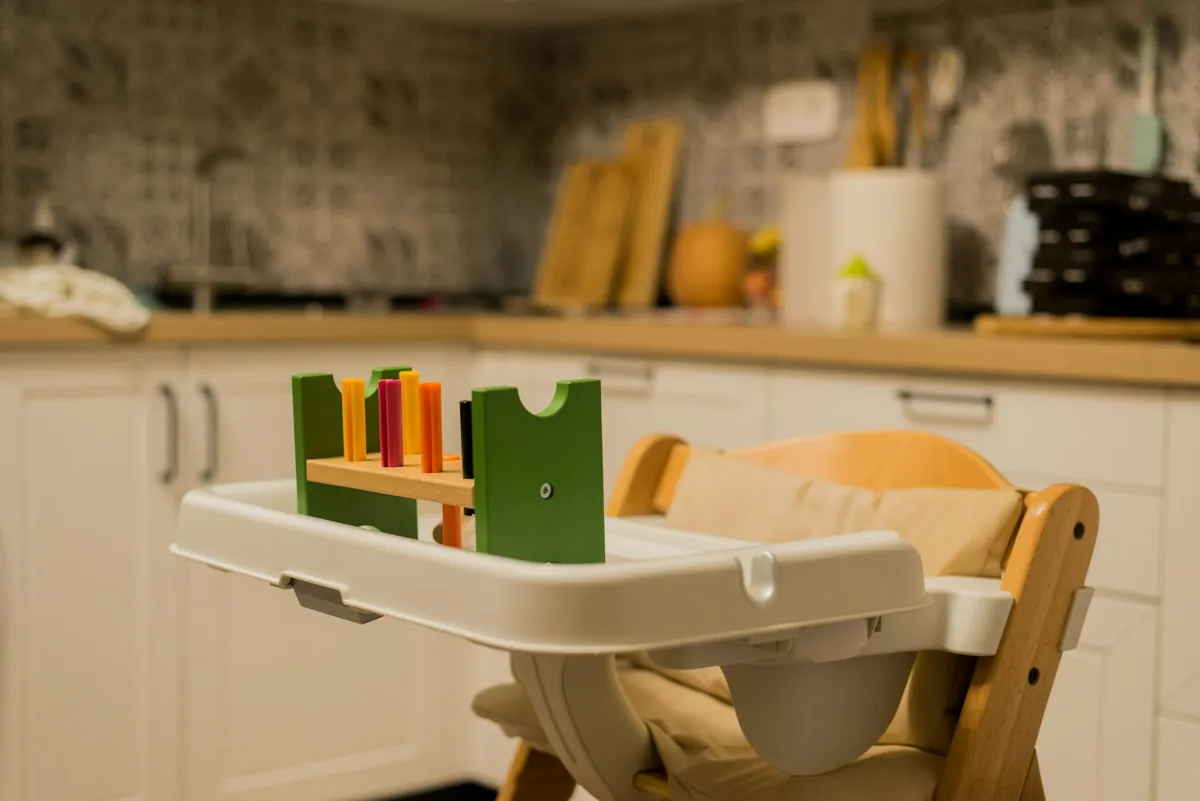
The high chair is not one thing
What arrives when you ask for a high chair varies enormously, and the differences matter more for younger children than older ones.
| Type | Suits | Watch for |
|---|---|---|
| Full high chair with harness | Babies not yet steady sitting | Whether the harness actually works |
| Wooden chair, no straps | Confident sitters, 18 months up | Climbing out sideways |
| Clip-on table seat | Small spaces | Table must be solid, not pedestal |
| Booster on a normal chair | Two and up | Whether it is strapped to the chair |
| A cushion on a chair | Three and up | Slides, and they will slide with it |
| No seat at all | Four and up | Height of the table relative to them |
If your child is not yet sitting steadily on their own, a proper harness is the thing to ask about specifically. Plenty of cafe high chairs are a raised seat with a bar, which is fine for a two-year-old and not for an eight-month-old. MedlinePlus’s child safety overview is a reasonable general reference on the principle: the restraint has to match the child rather than the furniture.
Feet make more difference than anything
This is the single most useful thing on this page and it is almost never mentioned.
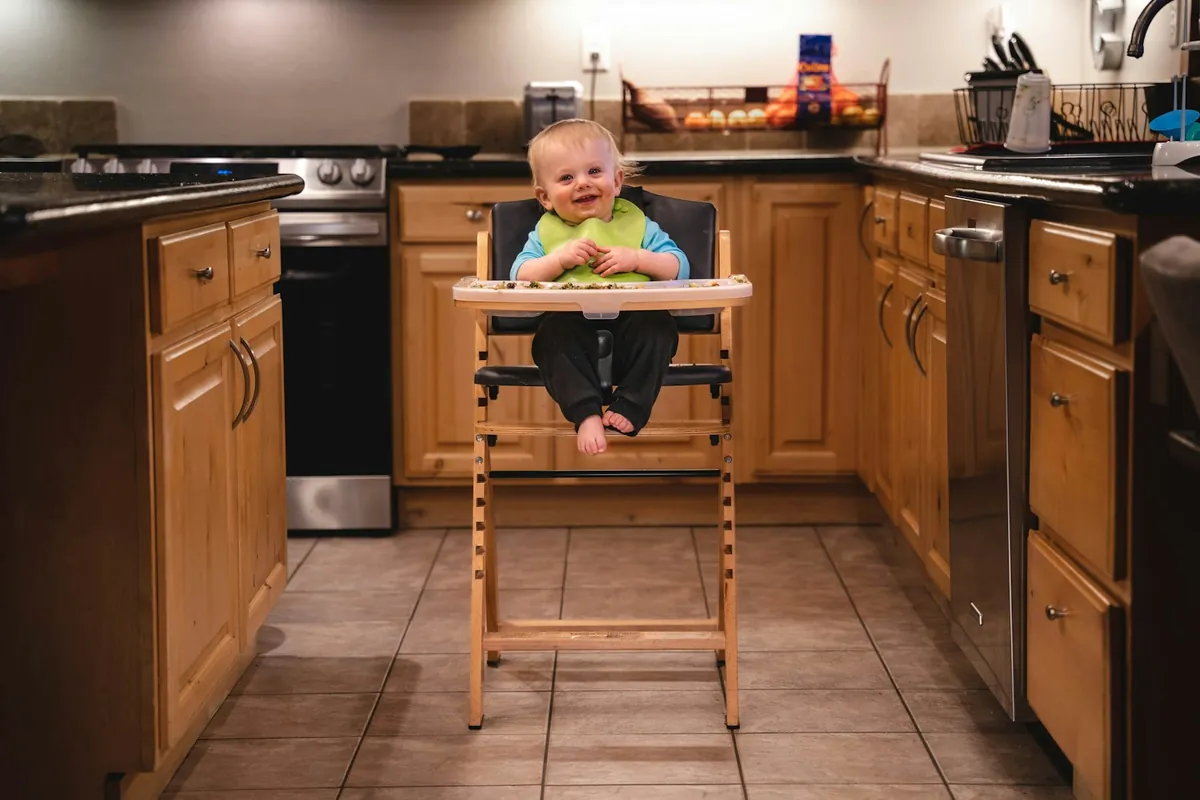
A child whose feet dangle has no stable base. Staying upright takes continuous low-level effort, which comes out of the same budget as sitting still and paying attention. Give them something to push against — a footrest, a crossbar, a bag on the floor, the seat of the chair opposite — and many children last noticeably longer at the table.
It is worth checking this when you sit down rather than discovering it twenty minutes in. If the high chair has an adjustable footplate, adjust it; most people never touch them.
Where the table is matters as much as the chair
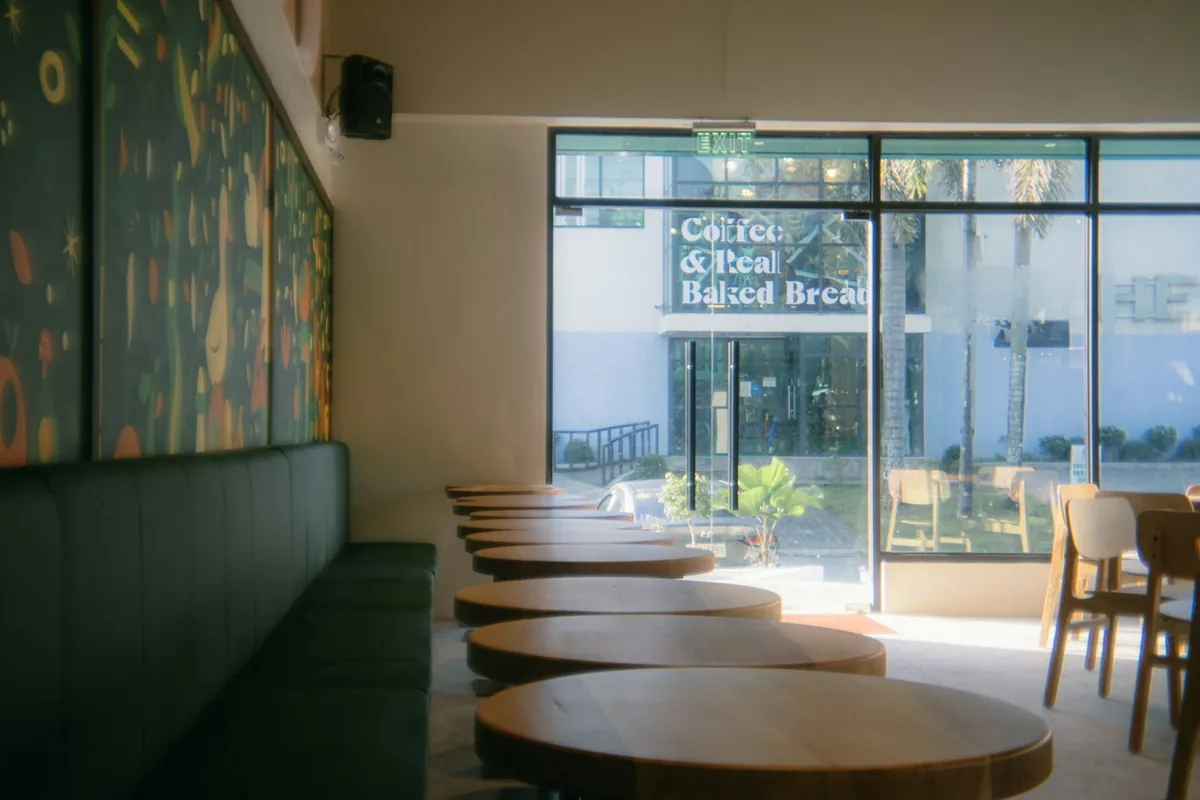
Given any choice, take the position over the view.
What to ask for
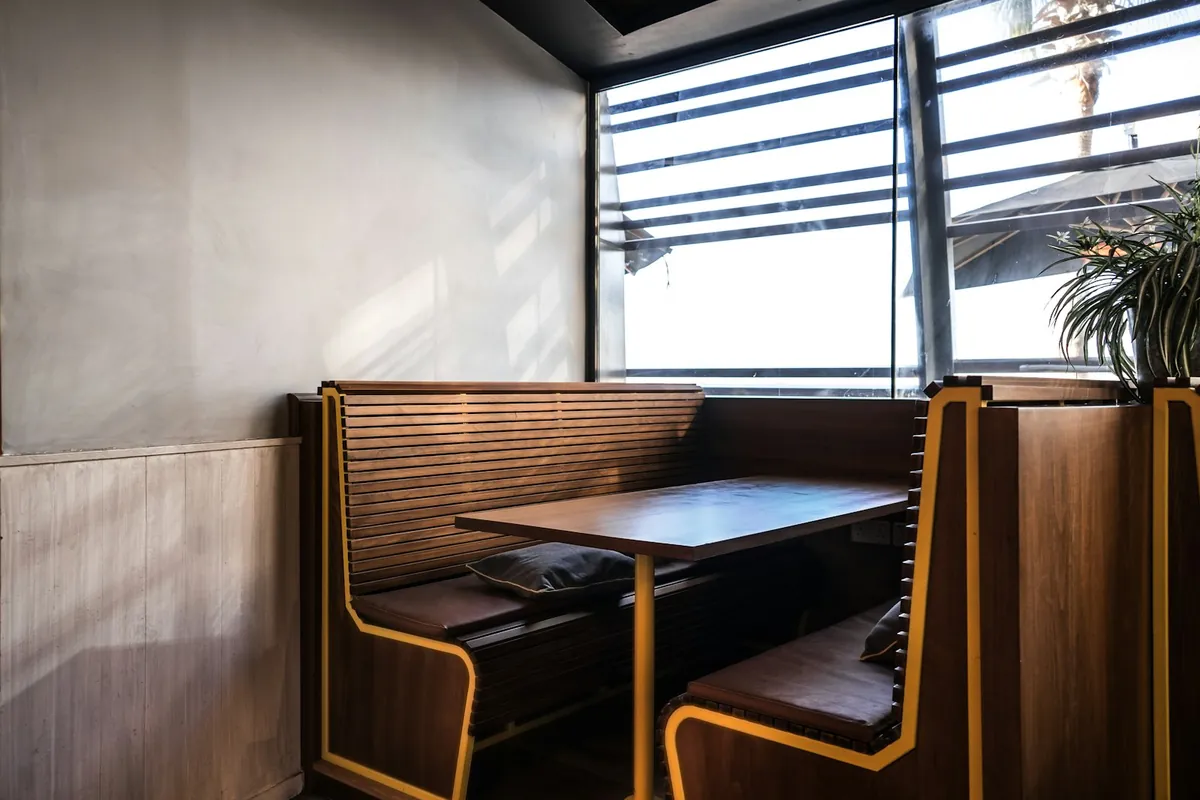
- A corner or a booth, which contains a child on two sides without effort.
- Away from the main walkway, so nobody is carrying hot drinks past a waving arm.
- Not directly by the door in winter, and not under a speaker.
- Within sight of the toilets if anyone is recently potty trained.
- Room for the pushchair beside you rather than blocking a route.
- Something to look at — a window onto a street beats a blank wall.
The walkway point is the one worth insisting on. A toddler seated at the edge of a busy route is a hazard to the staff and a source of constant low-level stress for you, and moving one table solves it entirely.
The thirty seconds when you arrive
Ask before you sit, not after. Once you are down with coats off and a child in a chair, moving becomes a whole event and most people put up with a bad table rather than start again.
“Do you have a high chair, and could we take that corner?” answers both questions in one sentence and takes no longer than walking in silently to the nearest empty table. Any place used to families will say yes to at least one of them.
If the answer to the high chair is no, that is useful information about the venue too. Our guide to what makes a cafe family friendly covers the other signals worth reading in the first minute.
Clearing the space around them
Once you are seated, spend twenty seconds resetting the table before anything arrives.
Move the cutlery, glassware, salt, pepper, candle and menu holder out of arm’s reach. A small child’s reach is longer than you think, particularly leaning forward, and everything within it will be tested at some point. It is far easier to move six things once than to intercept them individually for half an hour.
The same applies to hot drinks. Once yours arrives, it lives on the far side of the table from them, permanently, without exception.
With two children at different stages, see eating out with a toddler and an older child.
The pushchair question
A sleeping baby in a pushchair is the best possible outcome, and it creates its own small problem: where the pushchair goes.
Ask when you arrive rather than wedging it somewhere. Most cafes have a spot they prefer, and a buggy parked across a fire exit or a serving route is a genuine problem rather than a fussy one. If the room is tight, folding it and putting it flat against a wall usually solves what looked impossible.
One practical note: if the baby is asleep in it, take the table nearest wherever the pushchair ends up rather than parking it across the room. You will want to be able to reach them without a journey.
When to skip the high chair
There comes a point, usually somewhere between two and three, when a high chair stops helping and starts causing the fight.
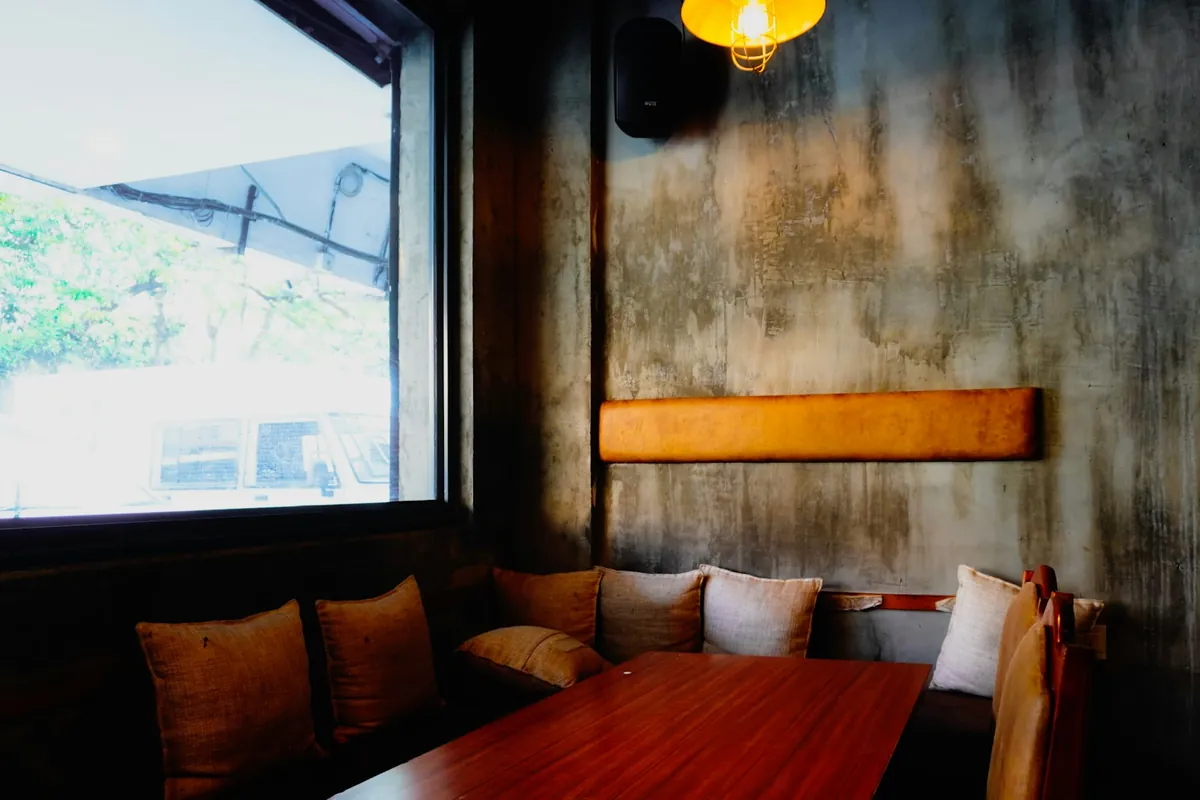
A child who has decided they are too big for it will spend the meal objecting to it, which is worse than the alternative. A booster on a normal chair, or a booth bench where they can sit beside you, usually works better from that point, and being on the inside of a bench does most of the containment a strap used to.
Our guide to why toddlers will not sit still at meals covers the wider question of how long any of this is reasonable to expect, and eating out with a weaning baby covers the other end of the age range. Our menu page lists what we serve.
Frequently asked questions
What should I ask for when I arrive at a cafe with a toddler?
A high chair and a specific table, in one sentence, before you sit down. Once coats are off and a child is seated, moving becomes an event and most people put up with a bad table instead.
Does a footrest really matter in a high chair?
It matters more than almost anything else. A child whose feet dangle has no stable base and spends continuous effort staying upright, which comes out of the same budget as sitting still.
Where is the best table to sit at with a small child?
A corner or a booth, away from the main walkway, not under a speaker or beside the door in winter, with room for a pushchair and something to look at. Position beats view.
What if the high chair has no harness?
Fine for a confident sitter, not for a baby who is not yet steady. Ask specifically about a harness if your child needs one rather than assuming a high chair means a restraint.
When should a toddler stop using a high chair?
Usually somewhere between two and three, and the signal is objecting to it. A booster on a normal chair or the inside of a booth bench does most of the same job without the argument.