Parents usually ask this once the newborn fog lifts and the days start needing a shape. The short answer is earlier than most people expect, though what the baby gets out of it changes a lot between four months and one year.
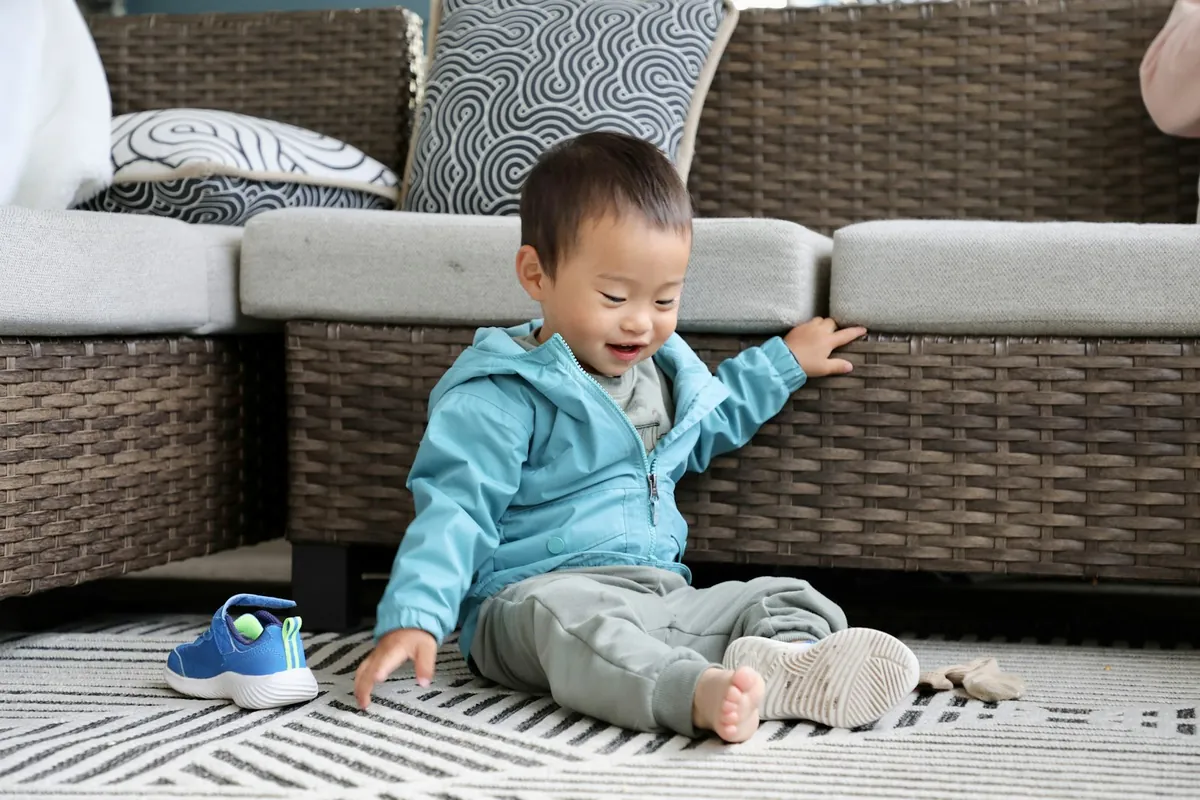
Quick answer: from around six months, once a baby can sit unsupported, a play cafe starts to be genuinely worthwhile. Before that they can certainly come — most venues welcome babies from birth — but the visit is really for the adult. Plan on 45 to 60 minutes at this age rather than the full two hours.
What babies get out of it, by stage
Under 6 months
At this stage your baby is not playing with anything. They are looking, listening and being carried. That is not nothing — a change of scene, different faces and some background noise are genuinely interesting to a four-month-old — but the trip is mostly so that you get out of the house, sit down and talk to another adult.
Go when it is quiet, bring a carrier or a pram they will settle in, and treat it as a coffee with a baby attached rather than a play session.
6 to 12 months
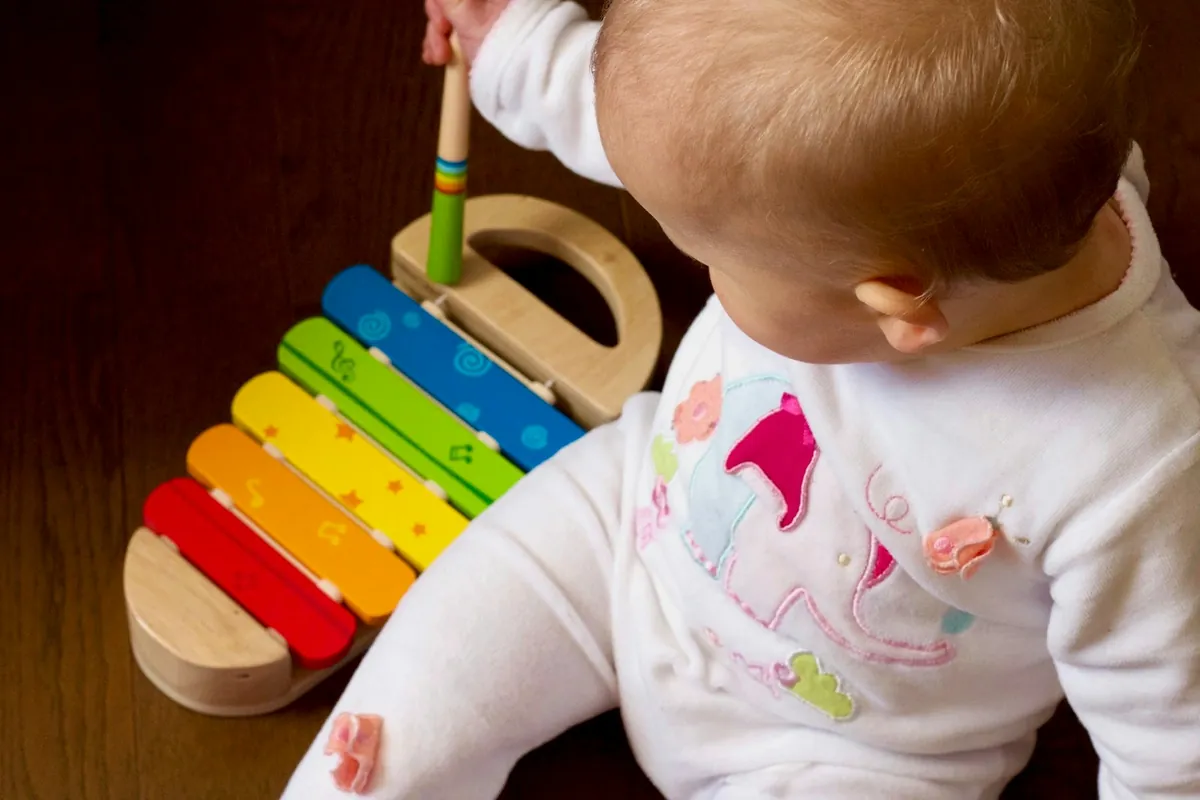
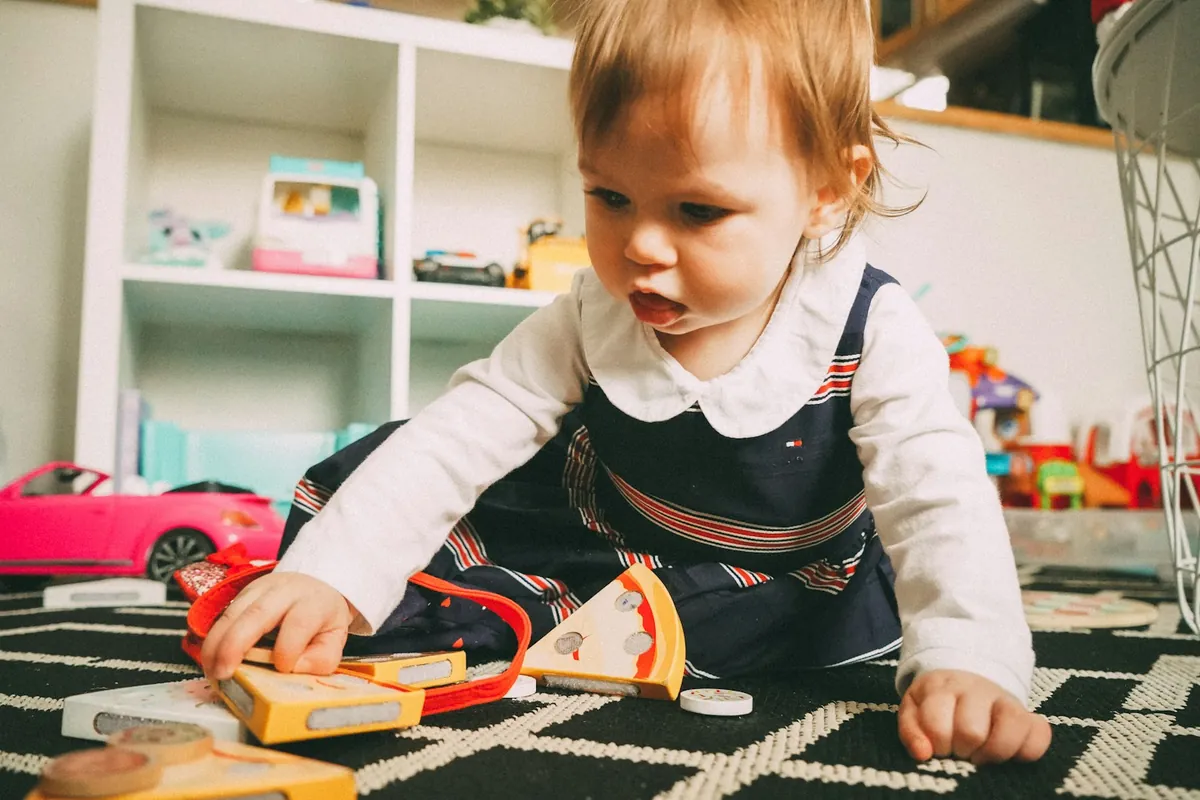
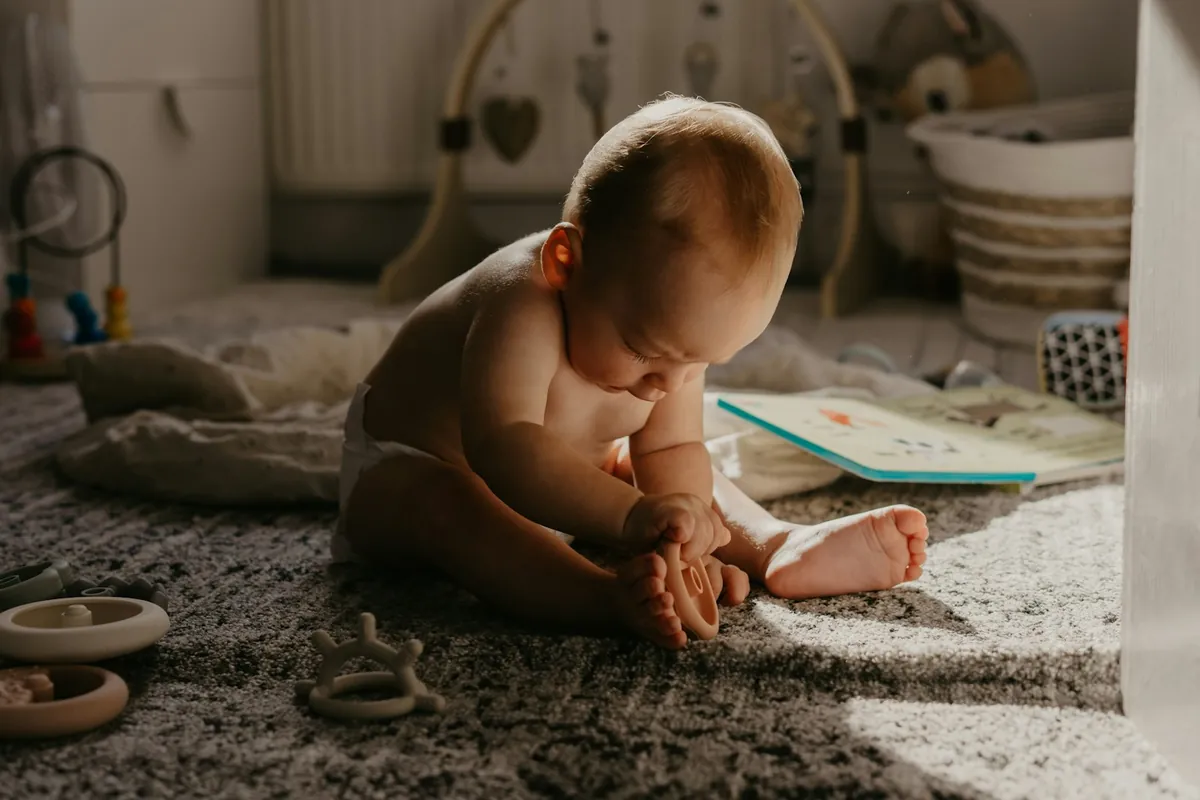
This is where it starts to earn its place. Once a baby can sit unsupported, a clean floor with soft mats, a few graspable toys and other children moving about is a rich hour. Expect a lot of watching, some determined reaching, and a great deal of putting things in the mouth.
Crawling babies particularly benefit from a large safe floor, which most homes do not have.
12 to 18 months
New walkers get the most obvious value: space to practise, low steps to climb, and things to push around. This is also when the ball pit stops being a novelty and becomes the destination.
Visits get longer and messier from here, and the balance tips from “outing for the adult” to “outing for the child”.
What to expect on a first visit with a baby
| Age | Realistic stay | What they will do | What you need |
|---|---|---|---|
| 0–5 months | 45 minutes | Watch, sleep, feed | Carrier or pram, feeding kit |
| 6–9 months | 45–60 minutes | Sit, grab, mouth everything | Muslin, spare clothes, a mat if the floor is hard |
| 9–12 months | 1 hour | Crawl, pull up, follow older children | Grippy socks once standing, wipes |
| 12–18 months | 1–1.5 hours | Walk, climb, empty containers | Change of clothes, snack for the way home |
Practical points parents raise
Is it hygienic?
Everything goes in the mouth at this age, which is a reasonable thing to think about. Most play cafes clean and rotate toys, and many keep a bin for anything that has been mouthed so it can be washed. Ask how a venue handles it — the answer tells you a lot.
The practical measures that help most are the obvious ones: wash hands on arrival and before eating, keep your baby home if they are unwell, and bring your own comforter rather than borrowing one.
Where do you feed a baby?
At the table, generally. Play cafes are used to it. If you are bottle feeding, most will warm a bottle; if you are breastfeeding, you are legally protected in Oregon to do so wherever you are entitled to be. If you would prefer a quieter corner, ask when you arrive rather than hunting for one later.
Do babies pay?
Policies differ. Many venues do not charge for babies under a certain age, or charge a reduced rate. It is worth asking rather than assuming in either direction. Check current pricing directly with the venue, since it changes.
Is a play cafe safe for a crawler?
Broadly yes, with normal supervision. The things worth scanning for on arrival are the same hazards you would check anywhere: small parts within reach of a baby, gaps between mats, hard edges at head height, and older children moving fast through a space where a baby is sitting. Safe Kids Worldwide publishes general child-safety guidance if you want a broader reference.
The most common real-world issue is not equipment but traffic: a confident five-year-old and a sitting eight-month-old in the same square metre. Sit close, and use the baby area if the venue has one.
If your child takes a long time to settle in a new room, see the child who will not leave your side.
Choosing a venue for a baby
Look for
- A separate baby or under-twos area, or at least a quieter corner
- Soft flooring rather than hard boards
- A changing table you can actually reach
- Space to park a pram without blocking a walkway
- Sightlines from the tables to the floor space
- Somewhere to sit that is not a low bench
Smaller venues generally suit babies better than large soft-play centres, which are built around older children and are considerably louder. Our guide to indoor play compares the formats if you are weighing them up, and what a play cafe is covers how a visit works generally.
If you are bringing an older child too, our guide to days out with a baby and a toddler goes into the logistics.
Timing the visit around a nap
This is the whole game in the first year. A visit that lands in the middle of a nap window is a short visit.
- Go straight after a nap, not before one.
- Opening time is usually best — quieter, and it sits after the morning sleep for most babies.
- Accept that some babies sleep through it in the pram, and that is a perfectly good outing for you.
- Leave before the next window, not at the point of meltdown.
If solids have started, see our guide to eating out with a baby who is starting solids.
What to bring that you would not for a toddler
- A muslin or two, for the floor as much as anything
- A blanket if the floor is hard or cold
- Feeding kit, whichever form that takes
- More spare clothes than seems necessary
- A comforter, if they have one
Going with a baby and an older child
This is the situation most play cafes are genuinely built for, and it is worth planning slightly differently. The older child wants to run; the baby needs a patch of floor and you within reach.
- Set the baby down first, somewhere with a clear sightline, before the older one disappears.
- Sit on the floor rather than at the table for the first stretch. You can move to a chair once everyone has settled.
- Use the quieter edge of the room. Babies get knocked in thoroughfares, not on the equipment.
- Order food early, because feeding two children at different stages takes longer than you think.
- Accept a shorter visit than the older child would like. Leaving on a good note matters more than maximising the time.
Frequently asked questions
What age can a baby go to a play cafe?
Most venues welcome babies from birth, but the visit becomes genuinely worthwhile from around six months, once a baby can sit unsupported and take an interest in what is around them.
How long should a first visit be with a baby?
Forty-five minutes to an hour. Long enough for a drink and some floor time, short enough to finish before the next nap.
Do babies need to pay for play?
It varies by venue. Many do not charge under a certain age, or charge less. Ask when you arrive and check current pricing directly.
Can I feed my baby there?
Yes. Play cafes are used to babies being fed at the table, however you feed. Ask if you would prefer a quieter spot.
Is it worth going before my baby can sit up?
It can be, but mainly for you. A change of scene and adult company matters in the early months; just go in with the expectation that your baby will mostly watch or sleep.
In short
Six months is the point where a play cafe starts giving a baby something real. Before then, go anyway if it helps your week — just keep it short, quiet and timed around a nap.
Bringing a baby to Milwaukie
Two Sisters Play Cafe has an indoor playroom with floor space and a changing table, alongside the cafe tables.