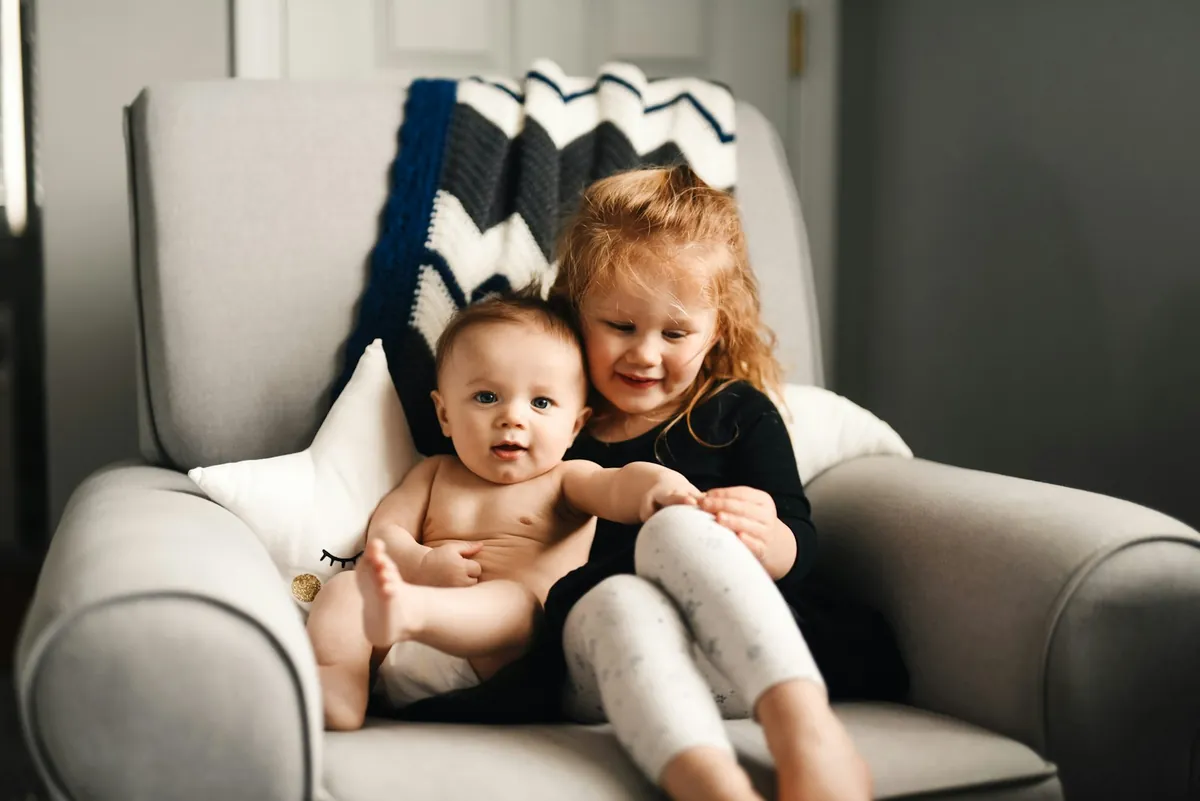
Two children eighteen months apart want completely different things from a morning out. One needs to run; the other needs to sleep and be fed. Getting both fed, both entertained and both home in one piece is a logistics exercise, and it gets easier once you stop trying to please both equally.
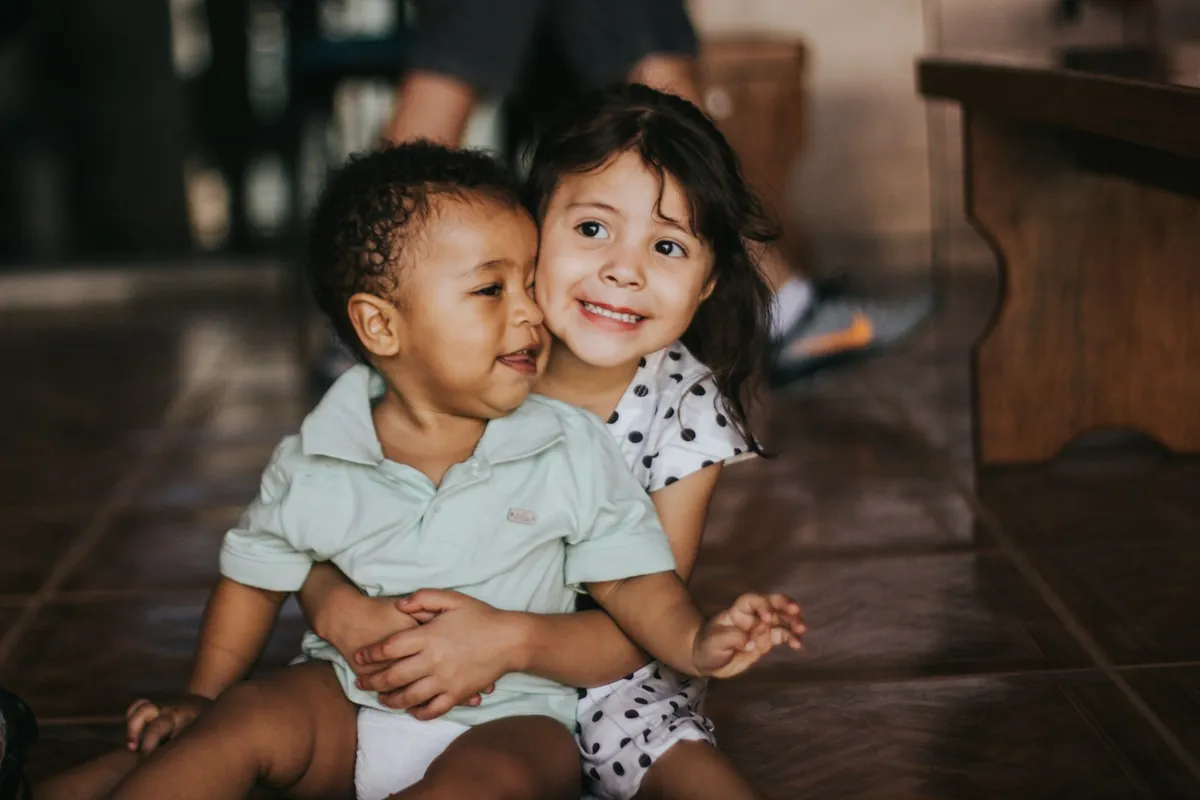
The rule that helps most: plan the outing around the toddler’s energy and the baby’s sleep, in that order, and pick somewhere where you can sit down. One venue that works acceptably for both beats two venues that each work perfectly for one.
Plan around the two constraints
Everything else is negotiable; these two are not.
- The toddler needs to move, ideally within the first thirty minutes, or the rest of the outing is spent managing them.
- The baby needs to sleep and feed roughly on schedule, or the last half hour is spent managing them instead.
Mid-morning usually satisfies both: after the baby’s first nap, before the toddler flags. It is the same window that suits almost everything else at this age.
Choosing where to go
| What you need | Why |
|---|---|
| Somewhere to sit with sightlines | You cannot follow a toddler while feeding a baby |
| Contained space | One exit means you can look away for a moment |
| Floor space for the baby | Somewhere to put them down that is not your lap |
| Food on site | Removes an entire second trip |
| A changing table | Non-negotiable, and not universal |
| Room for the pushchair | Often the deciding factor at a small venue |
This combination is why indoor play spaces and play cafes become the default for a lot of families in this phase. Our guide to indoor play compares the venue types, and we have written separately about what a baby gets out of a play cafe.
Carrier or pushchair?
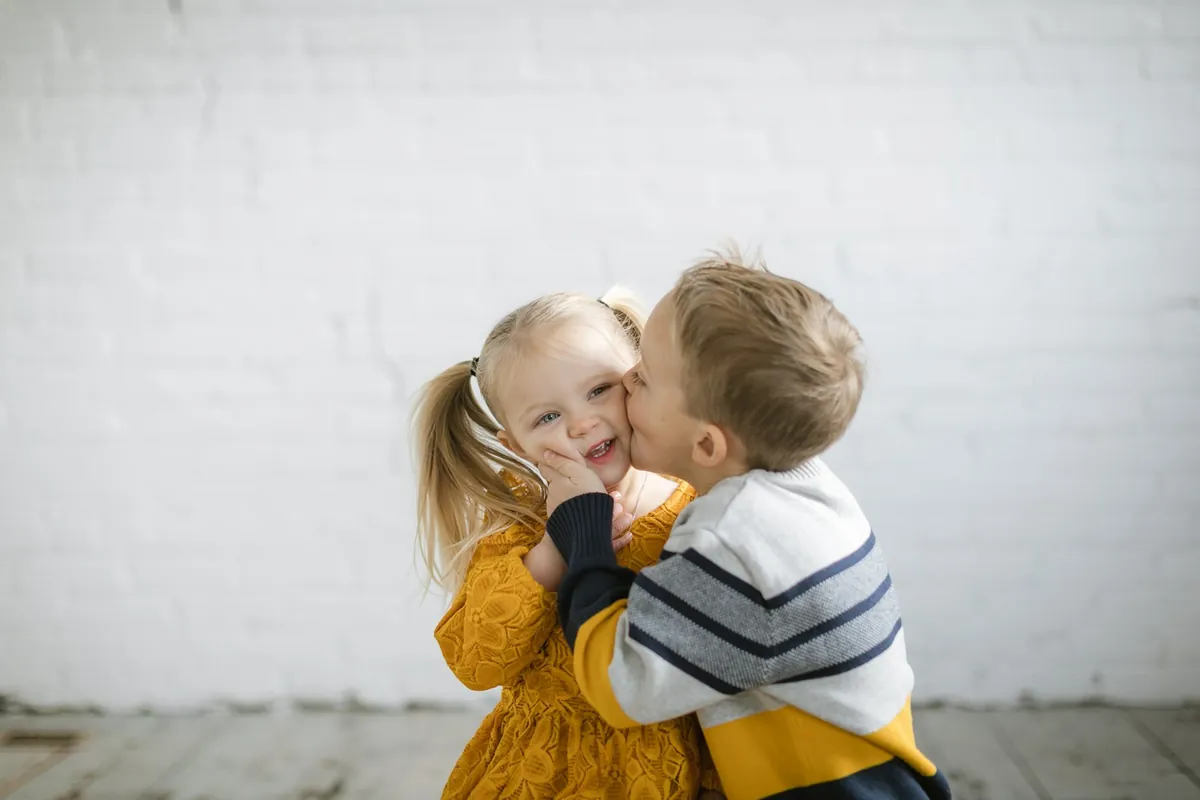
Usually the carrier, at least for the baby. Hands free is worth a great deal when the toddler is the one who needs chasing, and it removes the problem of parking a pushchair in a busy room.
The exception is where the baby will sleep in the pushchair and that sleep is the point. In that case take the pushchair and accept that you will be manoeuvring it.
A double is worth it for long walks and rarely worth it indoors, where the footprint becomes the problem.
What to pack
The two-child bag
- A change of clothes each — the toddler’s is the one people forget
- Feeding kit for the baby, whichever form that takes
- Nappies for both if you are mid-potty-training
- Grippy socks for the toddler
- One snack each, packed separately so nothing is negotiated
- A muslin, which does more jobs than anything else in the bag
- A carrier, even if you brought the pushchair
Pack it the night before. Getting two small children out of the house is enough of a job without also assembling a bag.
Managing the actual outing
- Settle the toddler first. Get them into the play space before you deal with the baby, coats or ordering.
- Put the baby down somewhere safe at the edge of the room rather than in the middle of the traffic.
- Order early, because feeding two children at different stages takes longer than you think.
- Feed the baby while the toddler plays, not while they eat.
- Accept a shorter visit than the toddler wants. An hour that ends well is better than ninety minutes that does not.
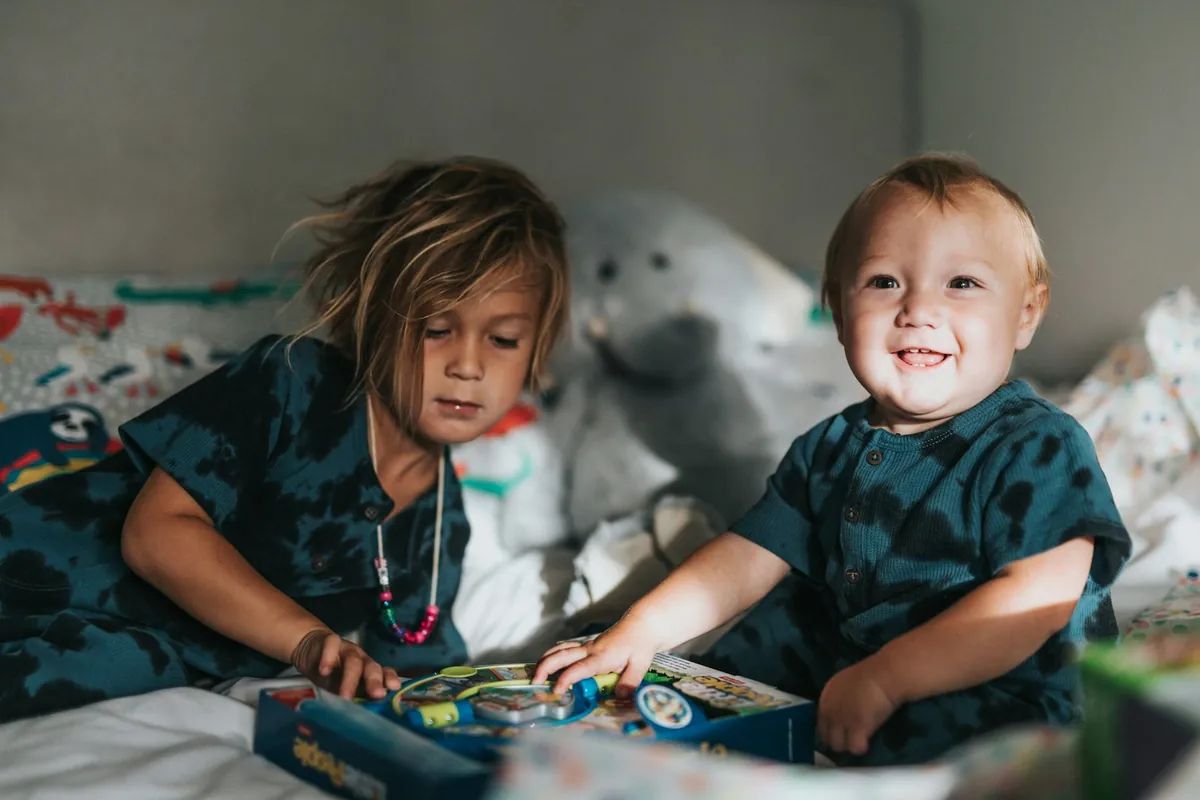
The jealousy problem
Outings are one of the places sibling resentment shows up, usually because the baby’s needs interrupt the toddler’s fun at predictable moments. A few things reduce it:
- Give the toddler your attention first on arrival, before the baby needs anything
- Narrate what is happening: “I’m feeding the baby, then I’m coming to see your tower”
- Build in one thing that is just for them, however small
- Let them help with the baby if they want to, and let them not if they do not
Going alone with both
Doing this single-handed is a different exercise from doing it with another adult, and it is worth lowering the bar accordingly. Somewhere close, somewhere familiar, somewhere contained. This is not the morning for a new venue thirty minutes away.
It also gets easier fast. The stretch where one cannot walk and the other cannot be trusted to stay put is measured in months, not years.
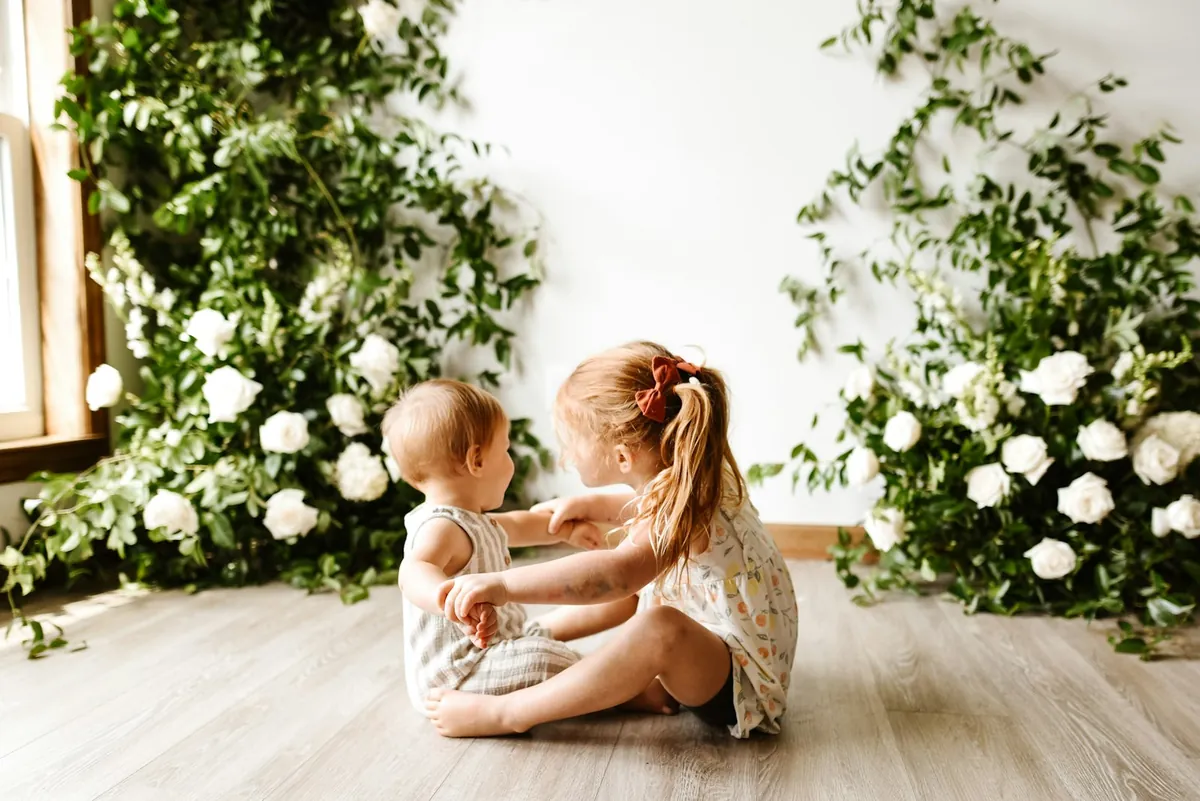
If this is a very new baby, our guide to first outings with a newborn covers the earliest trips.
Looking after yourself in it
This phase is genuinely tiring, and a morning out is often more work than staying home. It is still usually worth doing, because the alternative is a long day in the house with two children who both need something different.
If you are finding it consistently overwhelming rather than just hard, that is worth mentioning to your health provider — regional services such as OHSU Doernbecher Children’s Hospital can point families towards local support. Asking early is sensible rather than dramatic.
Lower the bar, deliberately
A successful outing in this phase is not a memorable one. It is: everyone got out of the house, nobody was hurt, at least one child ate something, and you came home in a better mood than you left in. Measured against that, a great many mornings that felt like chaos were actually fine.
Feeding two at once
The meal is usually the pinch point. One child needs help with a fork while the other needs feeding entirely, and both want it at the same moment.
- Order the toddler’s food first and let it arrive before you start with the baby.
- Feed the baby while the toddler eats, not while they play — a seated toddler is a contained toddler.
- Choose food the toddler can manage alone. This is not the meal for cutlery practice.
- Accept that you will eat last, and cold. Ordering something that survives that is a genuine strategy.
When they are further apart in age
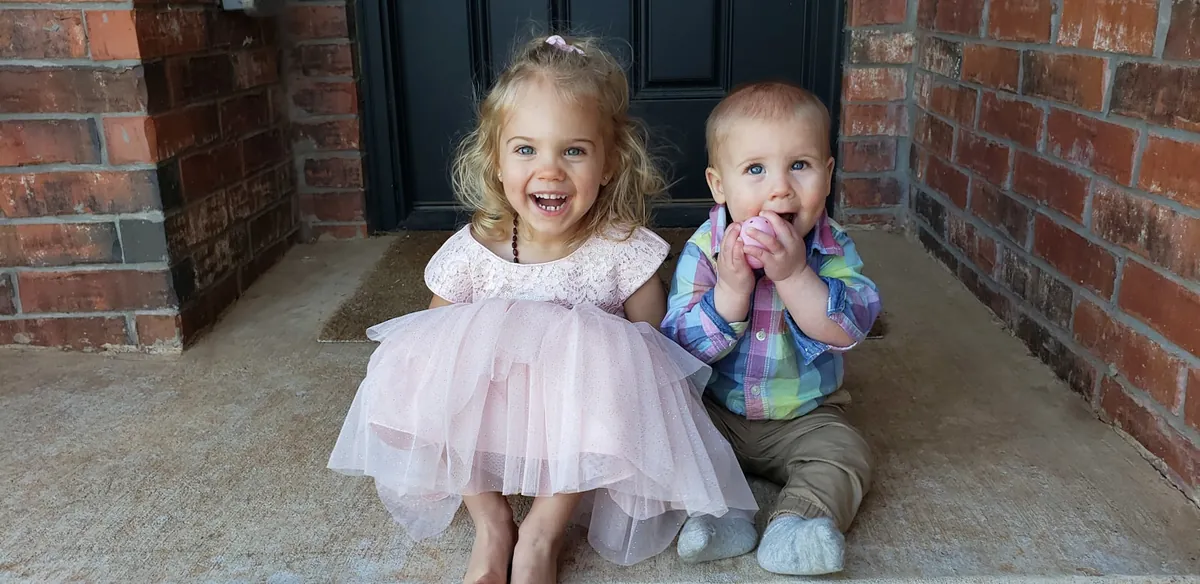
A baby and a four-year-old is an easier combination than a baby and an eighteen-month-old, because the older child can wait, follow instructions and often help. The trade is that their interests have diverged, so a venue that thrills the four-year-old may offer the baby nothing.
Look for places with a genuine age range rather than a single focus, and be willing to split the morning: twenty minutes of something for them, then somewhere the baby can be put down.
Frequently asked questions
How do I take a baby and a toddler out alone?
Go somewhere close, familiar and contained, with somewhere to sit and food on site. Settle the toddler first, then the baby, and keep the visit short.
Carrier or pushchair with two?
A carrier for the baby usually works better indoors, because it keeps your hands free for the toddler. Take the pushchair if the baby’s nap depends on it.
What time of day works best?
Mid-morning — after the baby’s first nap and before the toddler tires. It is the window that suits both.
How long should we stay?
About an hour with two at this stage. Ending while the toddler still wants more makes the next outing easier.
In short
Plan around the toddler’s energy and the baby’s sleep, pick one venue that does an acceptable job for both, and keep it short. Two children at different stages is a scheduling problem before it is anything else.
Somewhere that works for both
Two Sisters Play Cafe has floor space, a changing table and cafe seating with a view of the playroom.