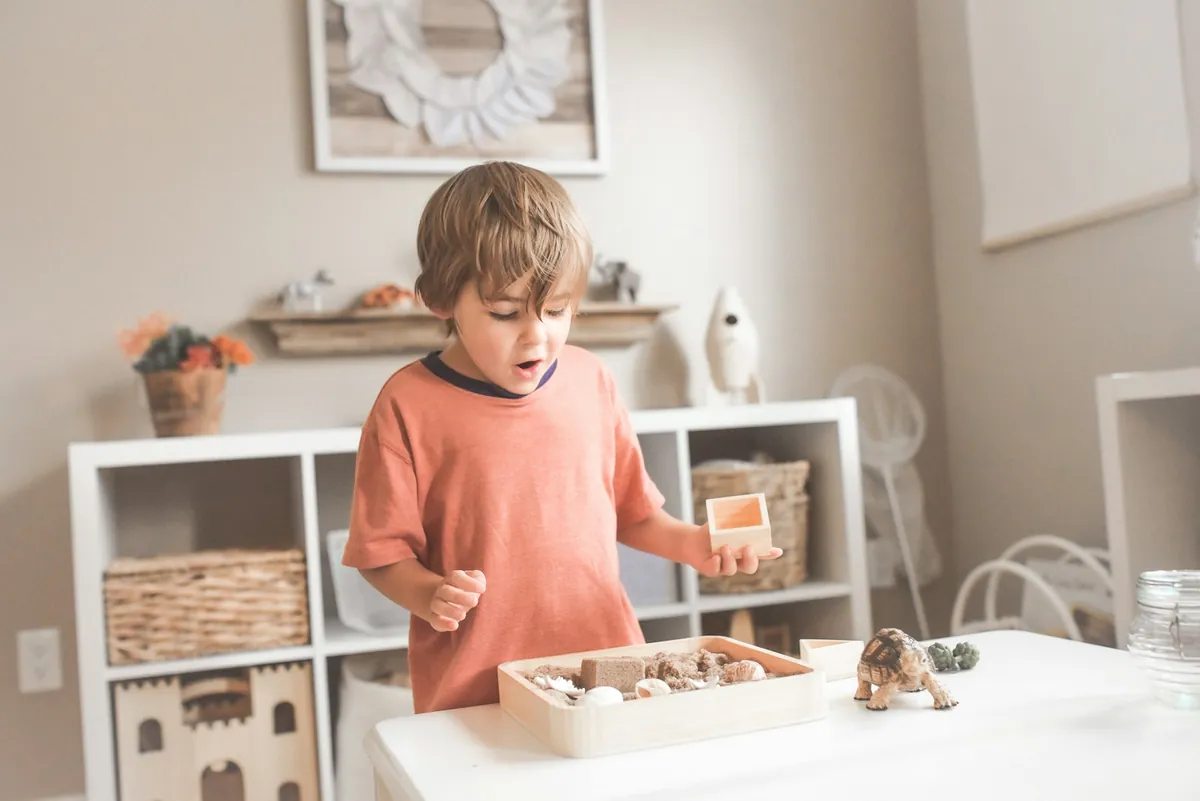
Indoor play covers everything from a library story time to a three-storey soft play centre. This guide is about choosing well between them when your child is under five, and making the visit actually work once you get there.
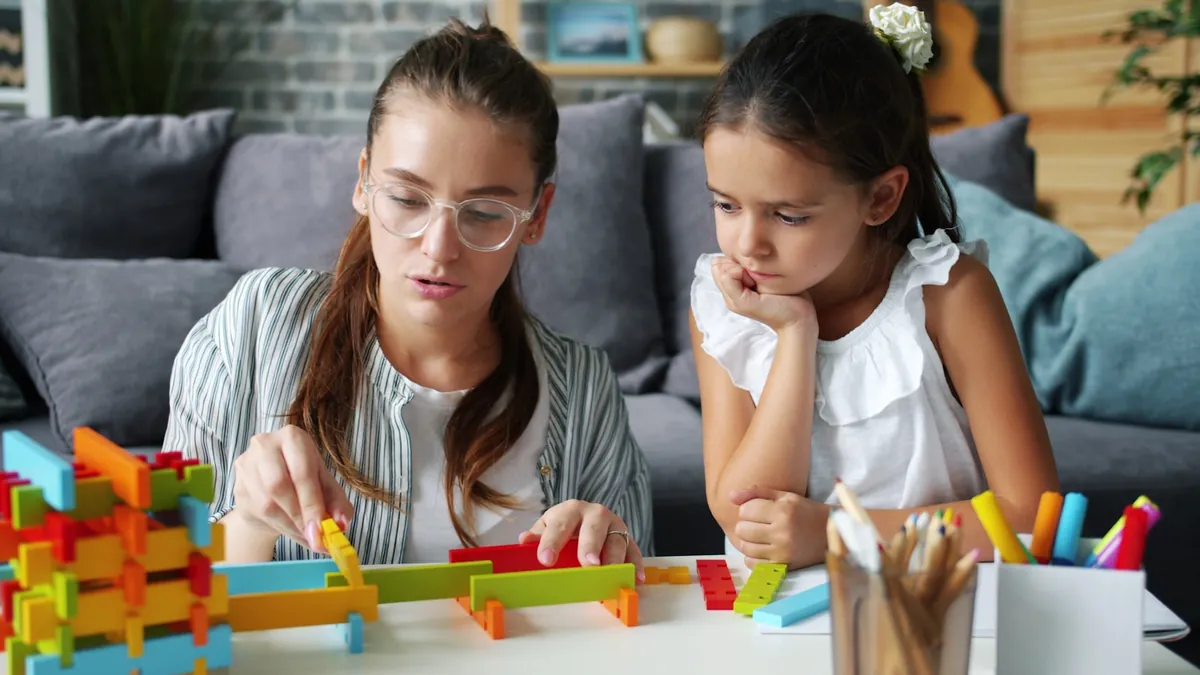
The short version: for under-fives, smaller and calmer beats bigger and louder. Pick a venue sized to your child rather than to your budget, go at a quiet time, plan for ninety minutes to two hours, and bring grippy socks. Everything else is detail.
Why indoor play matters more in this region
The Portland area gets a long wet season, and a family with a toddler cannot wait it out. Young children need to move most days, and from October to May that usually has to happen indoors.
The format barely matters to the child; time, space and other children do. The National Association for the Education of Young Children makes the point that child-led play carries most of the value, and its guidance for families is a good grounding.
The main kinds of indoor play
| Type | Best age | Typical stay | Food | Cost shape |
|---|---|---|---|---|
| Play cafe | 0–7 | 1–2 hours | Full cafe menu | Low admission, spend on food |
| Soft play / indoor playground | 4–12 | 2–3 hours | Snack counter or none | Higher admission |
| Trampoline park | 6+ | 1–2 hours | Snack counter | Timed sessions |
| Library story time | 0–5 | 30–60 minutes | None | Free |
| Museum play space | 3+ | Half day | Cafe on site | Admission or membership |
| Indoor pool | 2+ | 1–2 hours | Varies | Session or drop-in |
For a two-year-old, the first, fourth and sixth rows are where you will spend most of your time. A trampoline park is genuinely unsuitable at that age, whatever the marketing says.
Choosing between them
Three questions settle it most of the time.
- How old is the youngest child coming? Plan for them, not the oldest. A four-year-old copes fine at a toddler venue; a toddler does not cope at a venue built for eight-year-olds.
- Do you need to eat? If the outing spans a meal, a venue with a kitchen removes a whole logistical problem.
- How long have you got? Under two hours favours something small and close. A half day justifies a bigger trip.
If you are weighing up the two most common options, we have a fuller comparison of play cafes and indoor playgrounds that goes through cost, noise and age suitability side by side. And if the play cafe format is new to you, start with what a play cafe is and how a visit works.
What good indoor play looks like at each age
Babies, roughly 6–12 months
Floor space, soft surfaces and things to pull up on. A baby does not need equipment so much as a clean, safe patch of floor and a change of scene. Twenty minutes of genuine engagement is a good outing at this age.
Toddlers, 1–3 years
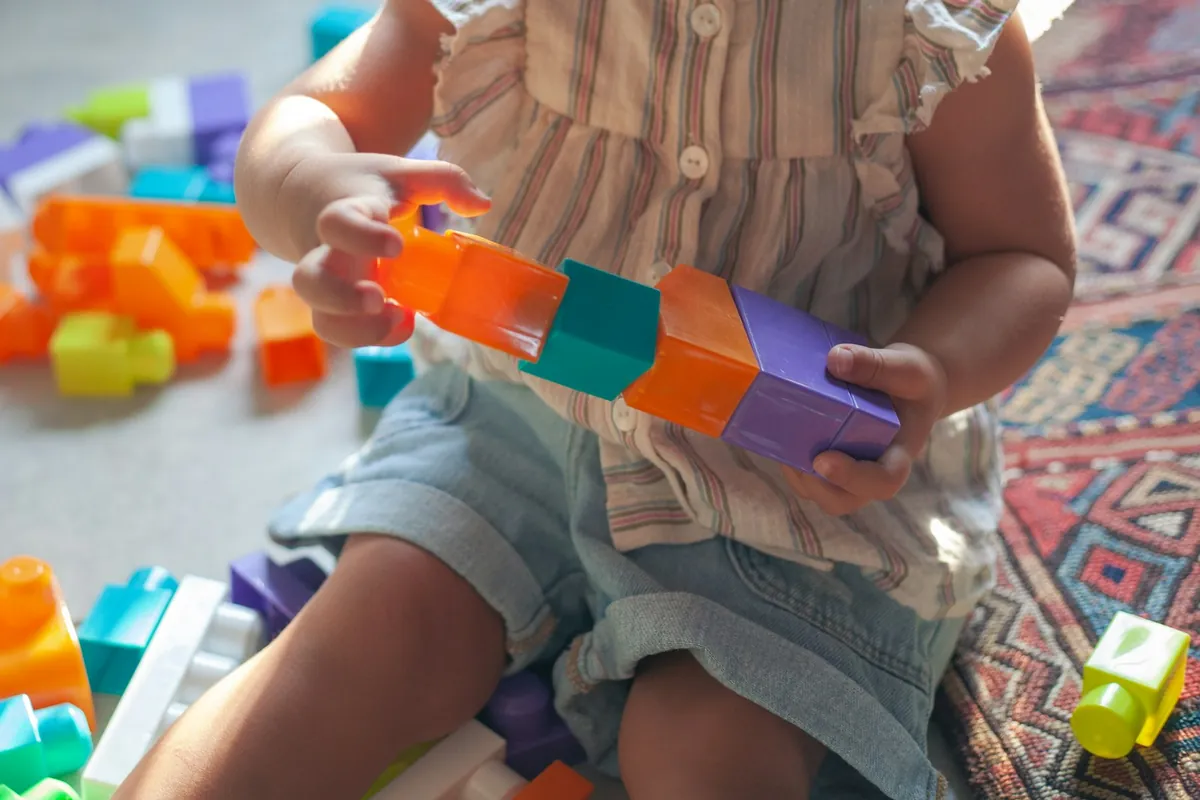
This is the sweet spot for play cafes and small play spaces. Climbing, a slide, a ball pit, pushing things around. Toddlers mostly play alongside other children rather than with them, which is normal and not a problem to solve.
Preschoolers, 3–5 years
Pretend play takes over. Home corners, dressing up, craft tables and games with simple rules. Preschoolers start genuinely playing together, which means more negotiation and occasionally more conflict. Both are part of it.
Making the visit work
Before you go
- Check opening hours the same morning, especially in winter
- Ask about age limits if your child is very young or nearly out of range
- Pack grippy socks, a change of clothes and a water bottle
- Eat beforehand, or plan to order as soon as you arrive
- Aim for opening time on a weekday if you can
Our full packing guide for indoor play has the detail, including what you can safely leave at home.
For the youngest end of the range, see when babies can start going to a play cafe, and for fitting outings into the week, our guide to building a weekly routine.
How long to stay
Ninety minutes to two hours suits most under-fives, shorter for a first visit or a cautious child. Having paid admission the temptation is to stay until everyone has had their money’s worth, but the last twenty minutes of an overtired visit undoes the first ninety.
Leaving while things are still going well is the single most useful habit for making indoor play a regular part of your week rather than an occasional ordeal.
For the practical checks on arrival, see our indoor play safety checklist.
Sharing space with other families
Indoor play areas work on a set of largely unwritten conventions — supervision, illness, shoes, tidying up. Most of it is obvious once stated, but it is worth knowing before your first visit. We have set it out in our guide to play cafe etiquette for parents.

For the messier end of it, see our guide to why messy play matters more than it looks.
What indoor play costs, roughly
Prices vary widely by venue and change often, so it is worth understanding the shape of the cost rather than fixating on a headline figure.
- Play cafes tend to charge a modest per-child admission and make the rest on food. Total spend depends on whether you eat.
- Soft play centres charge more per child, often in timed sessions, with food a smaller part of the bill.
- Libraries are free, which makes them the backbone of most families’ wet-season routine.
- Pools and museums usually have memberships that pay for themselves quickly if you go more than monthly.
Through the wet months, see our guide to building a rhythm for rainy weeks.
Building it into the week
Indoor play works best as a habit rather than a treat. Families who cope well with the wet months tend to have a rough weekly shape: one free session, one paid session, and one bigger outing a month. That keeps costs sensible and saves deciding from scratch.
Two things make a routine stick: go at the same time each week, since children settle faster in a familiar space at a familiar hour, and pick places within fifteen minutes of home.
Once they are past three, what they need changes — see indoor play for preschoolers.
Signs a venue is right for your child
On a first visit, look for
- Sightlines — can you see the whole play space from a seat?
- A quiet corner your child can retreat to
- Equipment sized for the youngest child you are bringing
- Staff who acknowledge children rather than working around them
- A noise level your child can tolerate for an hour
- Somewhere to sit that is not a plastic bench
If your child spends the first twenty minutes clinging to you, that may be the wrong time of day rather than the wrong venue. Try again at opening on a weekday before writing it off.
Frequently asked questions
How much indoor play does a toddler need?
There is no set amount. Young children benefit from being active across the day rather than in one block, so a shorter, regular outing usually works better than one long session a week.
What age is indoor play best for?
Small indoor play spaces and play cafes suit roughly six months to seven years, with the strongest fit between one and five. Larger soft play and trampoline venues start to make sense from around school age.
Is indoor play as good as outdoor play?
They offer different things. Outdoor play gives space, weather and natural surroundings; indoor play gives a predictable environment and other children in a contained space. Most families need both, and in a wet climate indoor play fills the gap rather than replacing outdoors.
My child is shy in busy play spaces. What helps?
Go at the quietest time the venue offers, sit close by, and let them watch before joining in. Shorter, more frequent visits build confidence faster than one long one.
In short
Choose the venue for your youngest child, go early, stay under two hours, and leave before anyone is done. Indoor play is at its best when it is routine rather than an event.
Indoor play in Milwaukie
Two Sisters Play Cafe has an indoor playroom alongside the cafe tables, aimed at the under-sevens.