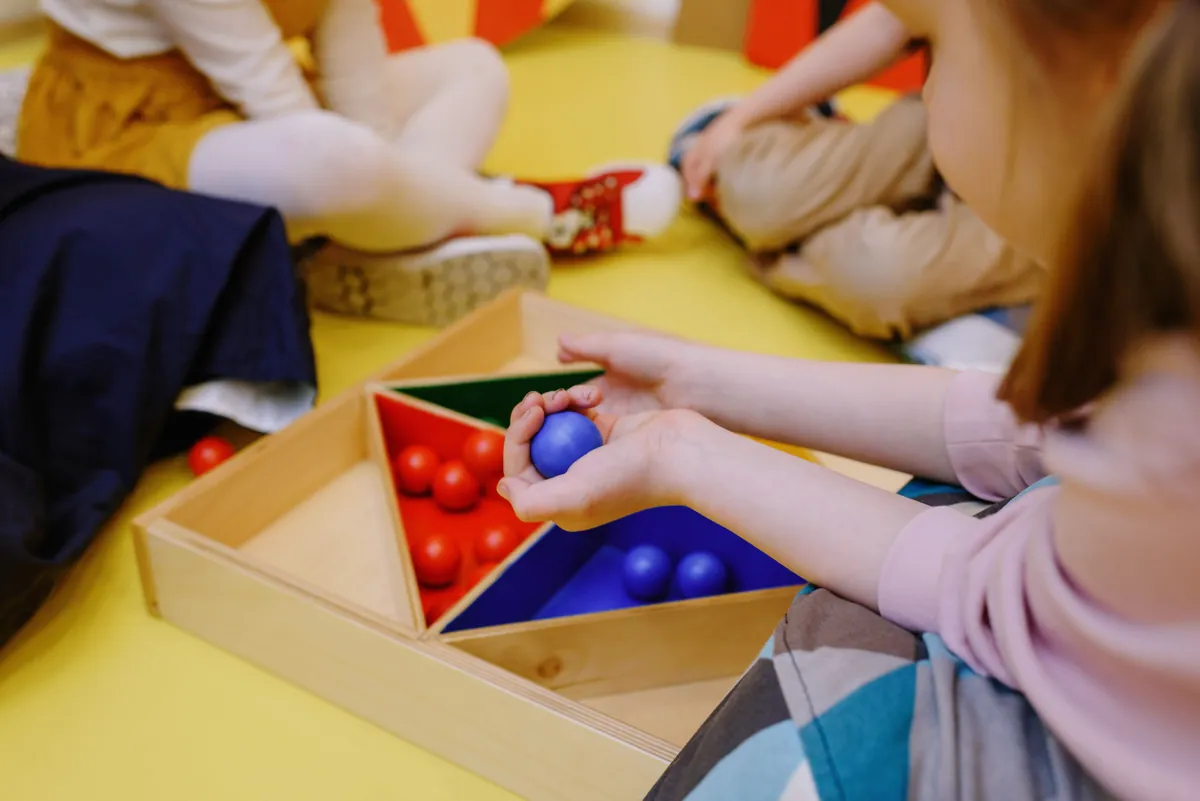
Both give children somewhere to run around indoors. Beyond that they are quite different propositions, and the right choice depends mostly on your child’s age and whether you want to eat.
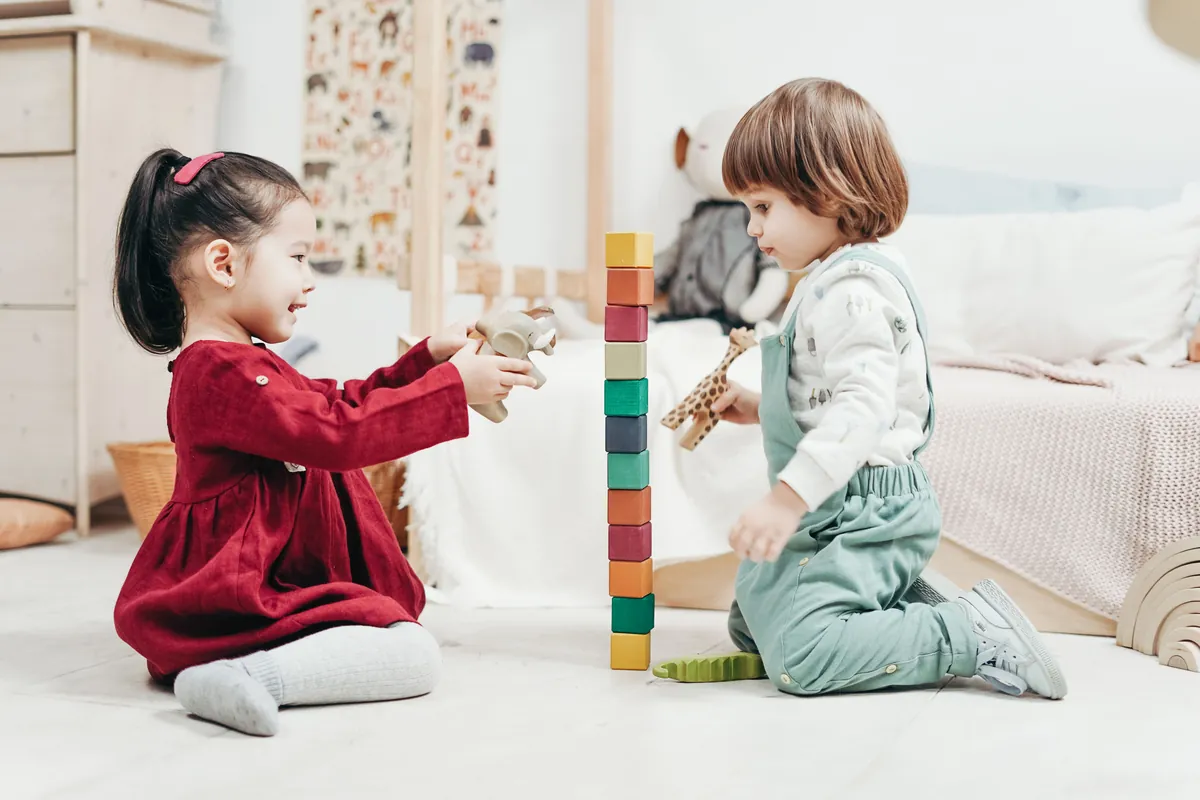
The short answer: choose a play cafe if your children are under about seven and you want to sit down to a real meal while they play. Choose a large indoor playground if your children are older, have energy to burn for two or three hours, and food is an afterthought.
The core difference
An indoor playground is built around the equipment. The business model is admission, the visit is the activity, and food is usually a vending machine or a basic snack counter. Everything scales up: bigger structures, more noise, more children, longer sessions.
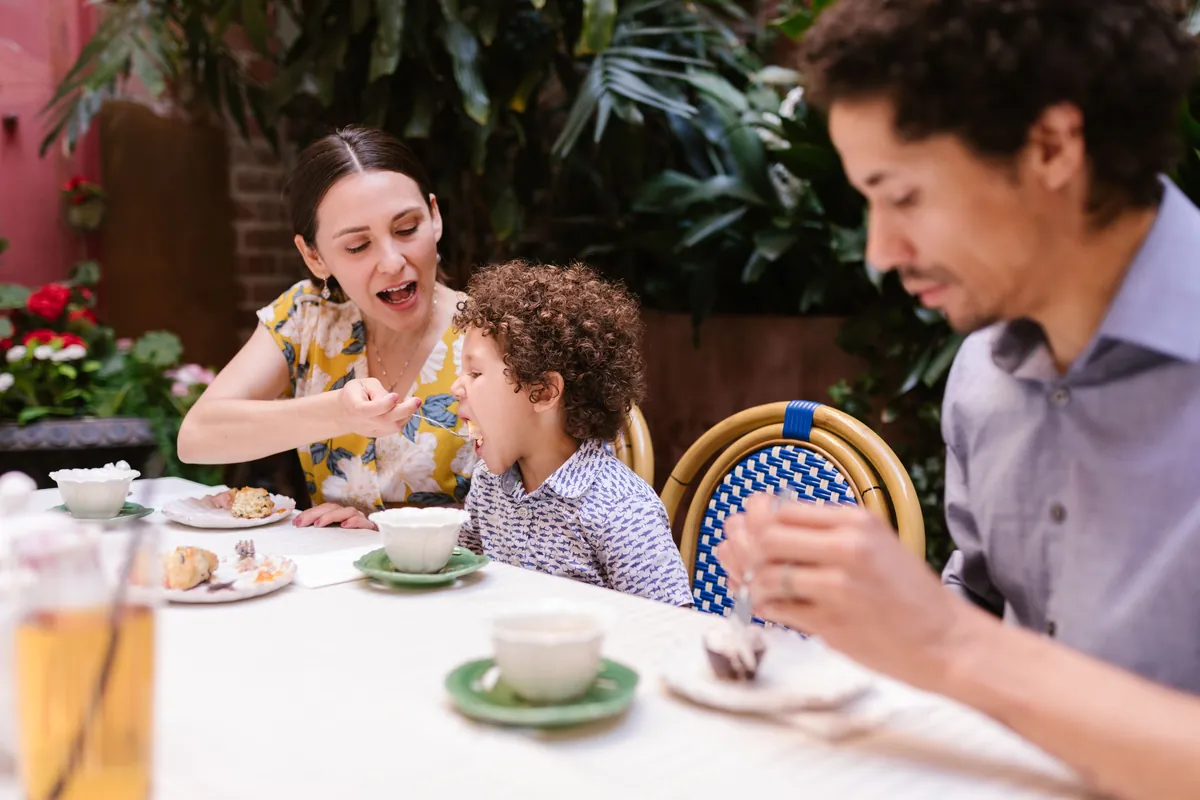
A play cafe is built around the table. There is a proper kitchen, the play space is sized for younger children, and the assumption is that adults will sit and eat for an hour or more. The play is what makes the meal possible, rather than the other way round.
Side by side
| Play cafe | Indoor playground | |
|---|---|---|
| Best age | Babies to about 7 | Roughly 4 to 12 |
| Food | Full cafe menu, espresso, table service or counter | Snack bar or vending, sometimes none |
| Typical visit | 1–2 hours | 2–3 hours |
| Noise level | Busy but conversational | Loud |
| Parent experience | Seated, with sightlines to the play area | Often standing or shadowing your child |
| Scale | One room, easy to supervise | Multi-level, harder to keep eyes on |
| Good for | Playdates, meals out, small parties, rainy mornings | Energy burning, older siblings, large parties |
| Cost shape | Lower admission, you spend on food | Higher admission, less on food |
If the format itself is new to you, our guide to what a play cafe is and how a visit works covers the basics first.
Choose a play cafe if…
- Your child is under about five and would be overwhelmed by a large structure.
- You want breakfast or lunch rather than a bag of crisps.
- You are meeting another parent and would like to actually talk.
- You have a baby and a toddler, and need somewhere that works for both.
- You want a shorter, calmer outing that fits around a nap.
Choose an indoor playground if…
- Your children are school age and want serious climbing.
- You need to exhaust them for two or three hours.
- You are hosting a big party with a wide age range.
- Nobody minds eating before or after rather than there.
Both formats sit inside the broader picture covered in our guide to indoor play for young children.
For a cautious child, our guide to warming up slowly at a play space is worth reading first.
What about noise and sensory load?
This is the factor parents most often underestimate. Large indoor playgrounds are loud — echoing rooms, arcade machines, dozens of children. For some kids that is the appeal. For others it is the reason the afternoon ends in tears.
Play cafes are generally quieter and smaller, with fewer children in the room at once. If your child finds busy environments difficult, a smaller space during a weekday morning is usually the gentler option. It is always worth asking a venue when their quiet periods are.
Play cafe: good for
- Younger children and mixed-age siblings
- A real meal and decent coffee
- Calmer, more contained environments
- Shorter visits that fit around naps
Play cafe: worth considering
- Smaller space, so older kids may finish quickly
- Daytime hours at many venues
- Capacity is limited, so busy periods fill up
- Usually shoes-off, so bring socks
Both count as active play
Whichever you choose, the value to your child is broadly the same. The American Academy of Pediatrics describes play as central to how children develop and learn, and its guidance on the power of play makes the point that unstructured, child-led play is where much of the benefit sits. Both formats provide that. The difference is logistics for the adults, not value for the child.

The two formats price differently, so it is worth reading our guide to working out whether a play pass is worth it.
A practical way to decide
Ask two questions before you leave the house.
- Do we need to eat? If lunch has to happen during the outing, a play cafe does it in one stop.
- How long do we have? Under two hours, a play cafe is the better fit. A half day suits a bigger venue.
For many families the answer changes with the child’s age. Play cafes tend to be the default during the toddler and preschool years, with larger indoor playgrounds taking over from around school age.
What to check before you book either
Venues differ far more than their websites suggest. Five questions save a wasted trip:
- Is there an age or height limit? Some structures exclude under-twos or over-sevens, and a limit you discover on arrival is a difficult conversation.
- Is it a timed session or open entry? Timed sessions cap how long you stay and sell out on wet weekends. Open entry is more forgiving with a napper.
- Do adults pay? Policies vary, and it changes the maths for a group.
- Can you bring outside food? Usually not where there is a kitchen. Ask about baby food and allergies specifically.
- How busy is it at your preferred time? Staff will tell you honestly, and a Tuesday morning is a different room from a Saturday afternoon.
The right answer often changes after three — see indoor play for preschoolers.
Trying both without wasting a weekend
If you genuinely cannot decide, the useful test is a single visit to each at the quietest time they offer, with the same child, a week apart. What you are looking for is not which venue is better but which one your child settles into faster.
Some children walk into a large soft-play centre and disappear happily for two hours. Others need twenty minutes on the edge of the room before they will join in, and those children almost always do better somewhere smaller. It is a temperament question more than an age question, and one visit each usually answers it.
What changes as they get older
Expect your answer to shift. The pattern most families follow is a play cafe from around six months through the preschool years, a period of using both, and then larger venues once the youngest child is confidently climbing. There is no need to pick a side permanently.
Frequently asked questions
Is a play cafe cheaper than an indoor playground?
Play admission is usually lower, but you are likely to buy food while you are there. Total spend often lands in a similar place. Check current pricing with each venue before you go.
Can older children enjoy a play cafe?
Yes, particularly as the older sibling of a younger child, and especially where there is a craft area or board games. A dedicated play cafe will feel small to most children over about eight.
Which is better for a birthday party?
Play cafes suit smaller toddler and preschool parties where food matters and you want a contained group. Indoor playgrounds suit larger parties with a wide age range.
Do both require adult supervision?
Yes. Neither is drop-off childcare. Both expect a parent or carer to stay and remain responsible for their own children.
In short
Neither format is better; they are aimed at different afternoons. If your children are small and you would like to eat something while they play, a play cafe is the practical choice. If they are older and you have half a day to fill, go big.
Planning a visit with little ones?
Two Sisters Play Cafe is a cafe and indoor playroom in Milwaukie, built for the under-sevens. Have a look at the playroom or the cafe menu.