There is a point, usually somewhere in the fourth year, when the play space that has worked every week for eighteen months suddenly does not. The equipment is the same, the room is the same, and your child is bored within twenty minutes.
Nothing has gone wrong. What has changed is the kind of play they are doing, and it changes what they need from a room.
Exploration becomes invention
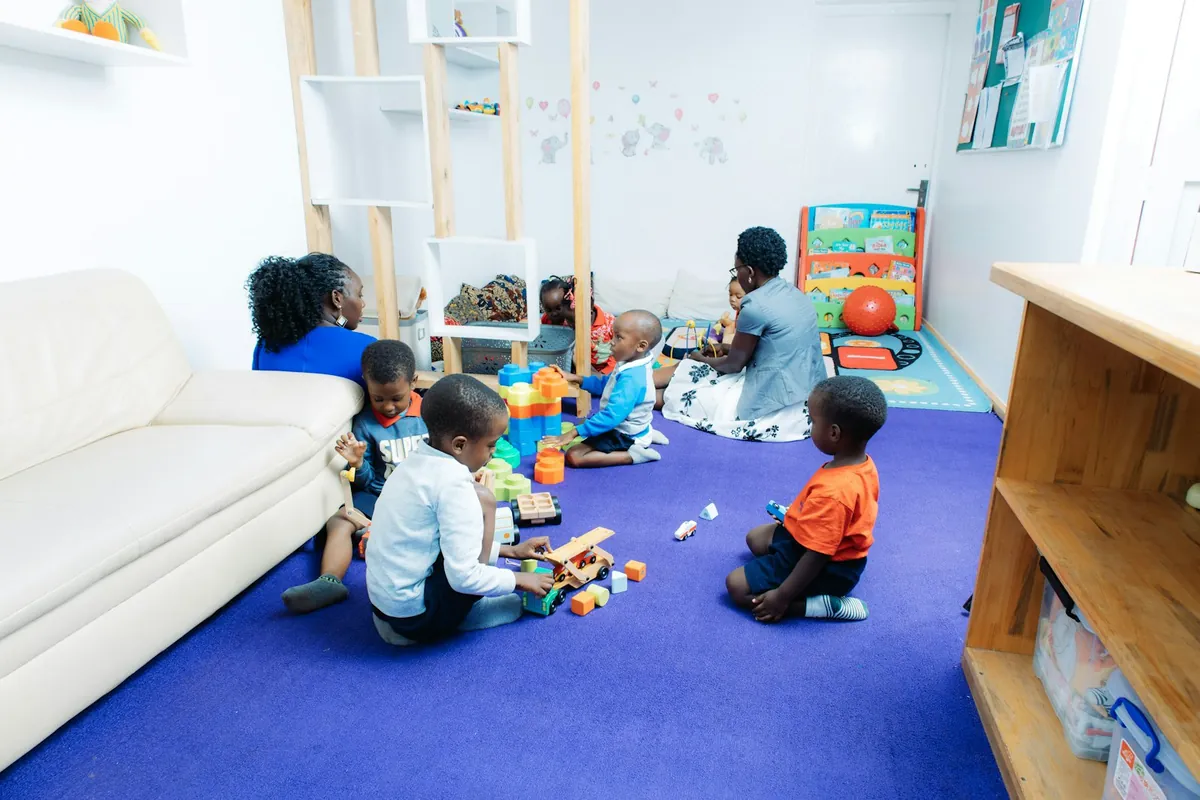
A two-year-old’s play is largely about finding out what things do. Stacking, dumping, banging, posting, climbing on. The object is the point.
A four-year-old is doing something different. They are running a scenario — this is a shop, you are the customer, that block is the money — and the objects are props for it. Penn State’s early care and education resources set out the same progression in more detail, and the practical consequence is straightforward: what a preschooler needs is open-ended material and someone to play with, not more equipment.
Playing with, not alongside
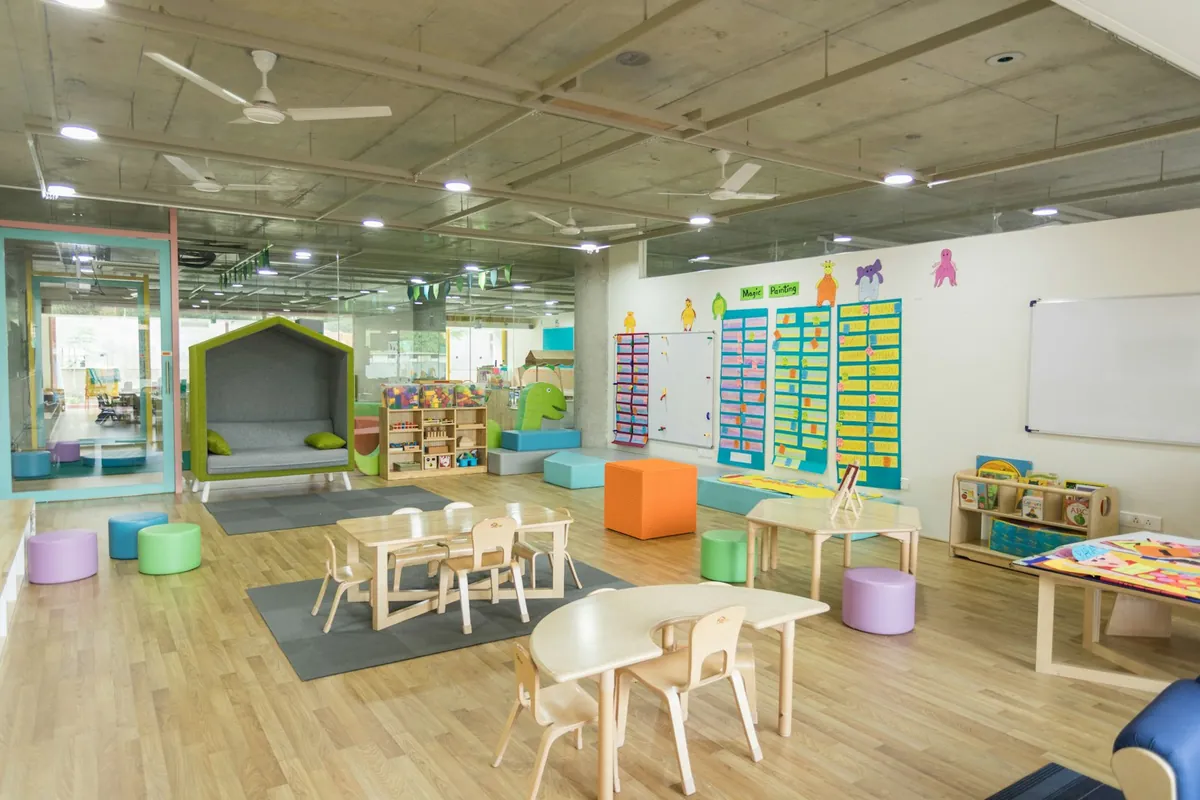
The other change is social. Toddlers largely play in parallel — near each other, not with each other. From about three that flips into genuinely cooperative play with negotiated rules, assigned roles and arguments about both.
This is why a preschooler in an empty play space has a worse time than a toddler in one. The toddler needed a floor and some things; the preschooler needed other children, and without them the room is just objects.
It is worth choosing the timing on that basis. For a two-year-old, quiet is better. For a four-year-old, a moderately busy room is often the point.

What a preschooler needs from a venue
| Toddler (1–3) | Preschooler (3–5) | |
|---|---|---|
| Play type | Exploring objects | Inventing scenarios |
| Social | Alongside others | With others, cooperatively |
| Best equipment | Low, soft, repetitive | Higher, more complex, open-ended |
| Ideal busyness | Quiet | Moderately busy |
| Session length | 60–90 minutes | Up to two hours |
| Adult role | Close by, hands on | Available, mostly seated |
The last row is the one parents notice most. Somewhere around three and a half, you stop being a participant and become a base station — consulted, returned to, occasionally recruited into a role, but no longer following them around the room.
Role play matters more than climbing
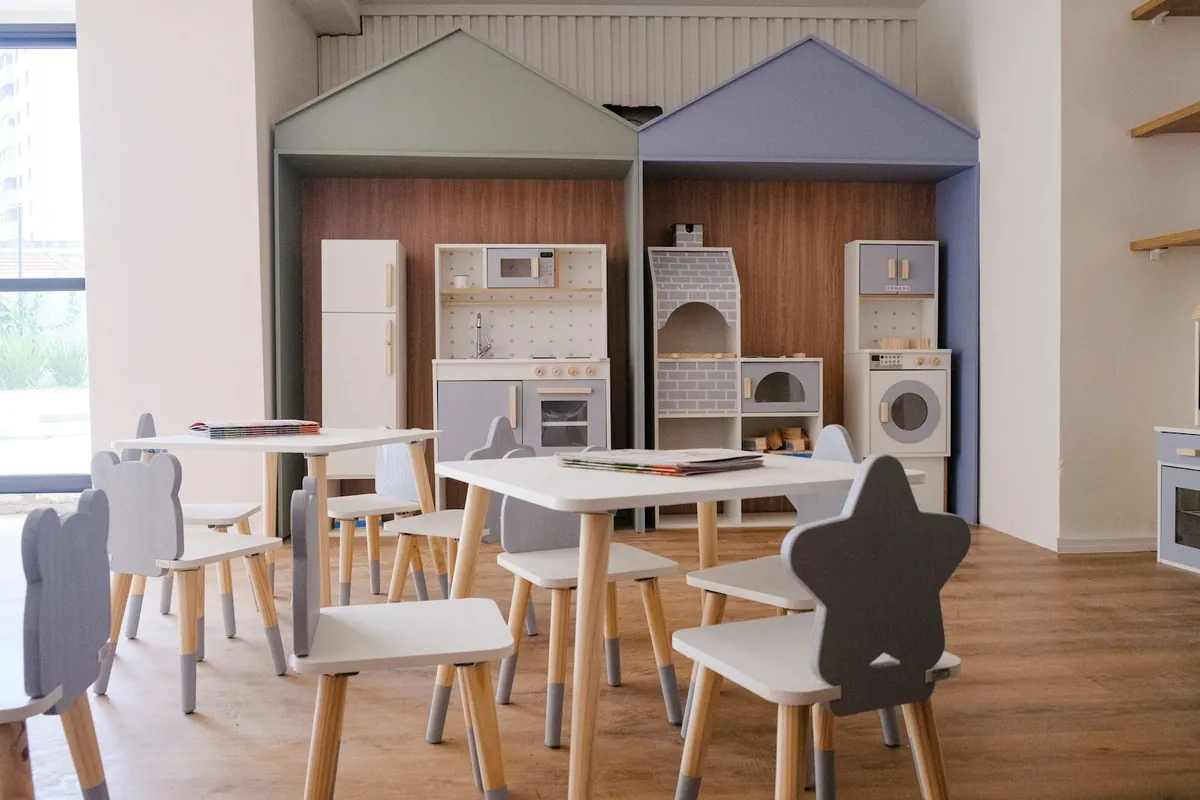
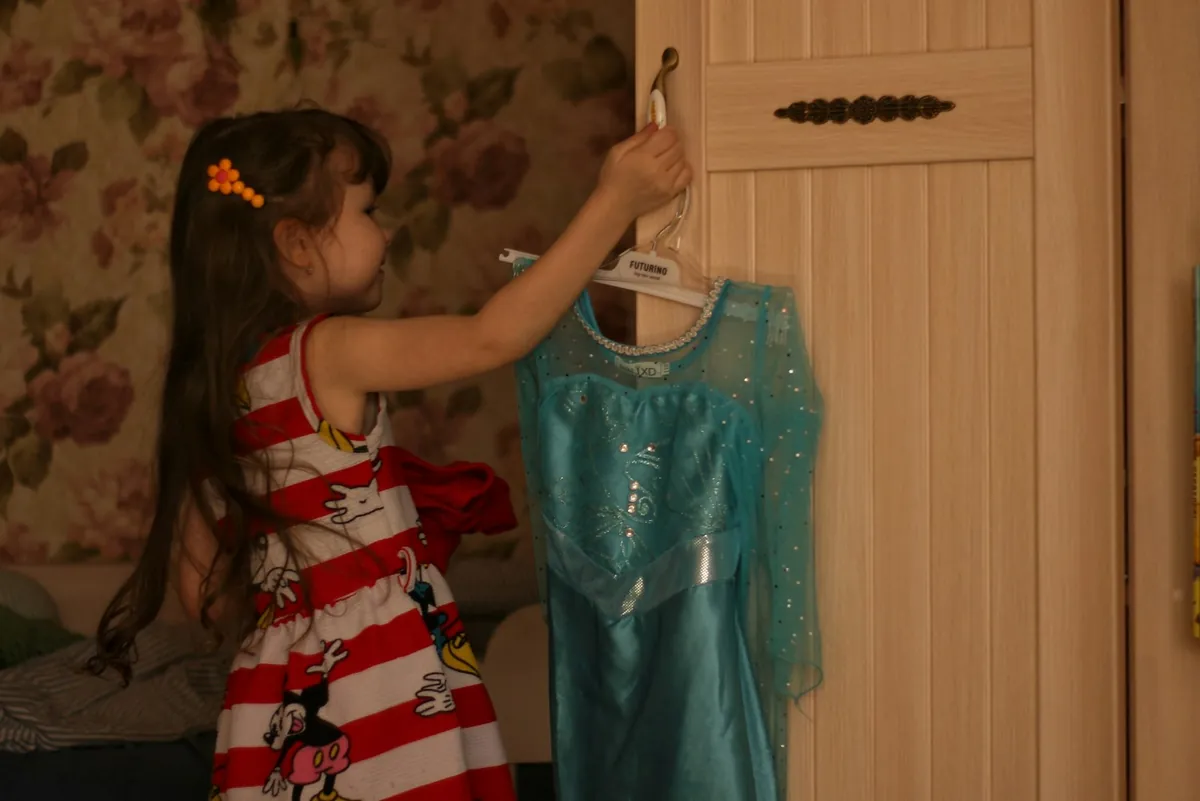
If you are choosing between venues for a four-year-old, the presence of a play kitchen, a shop, dressing-up, a doll’s house or a construction area matters more than the size of the climbing frame.
Climbing is physical and preschoolers do want more of it than toddlers — higher, more complex, requiring a bit of planning. But the play that absorbs a four-year-old for an hour is almost always the pretend kind, and a room with a good home corner will hold them longer than a room with a bigger structure.
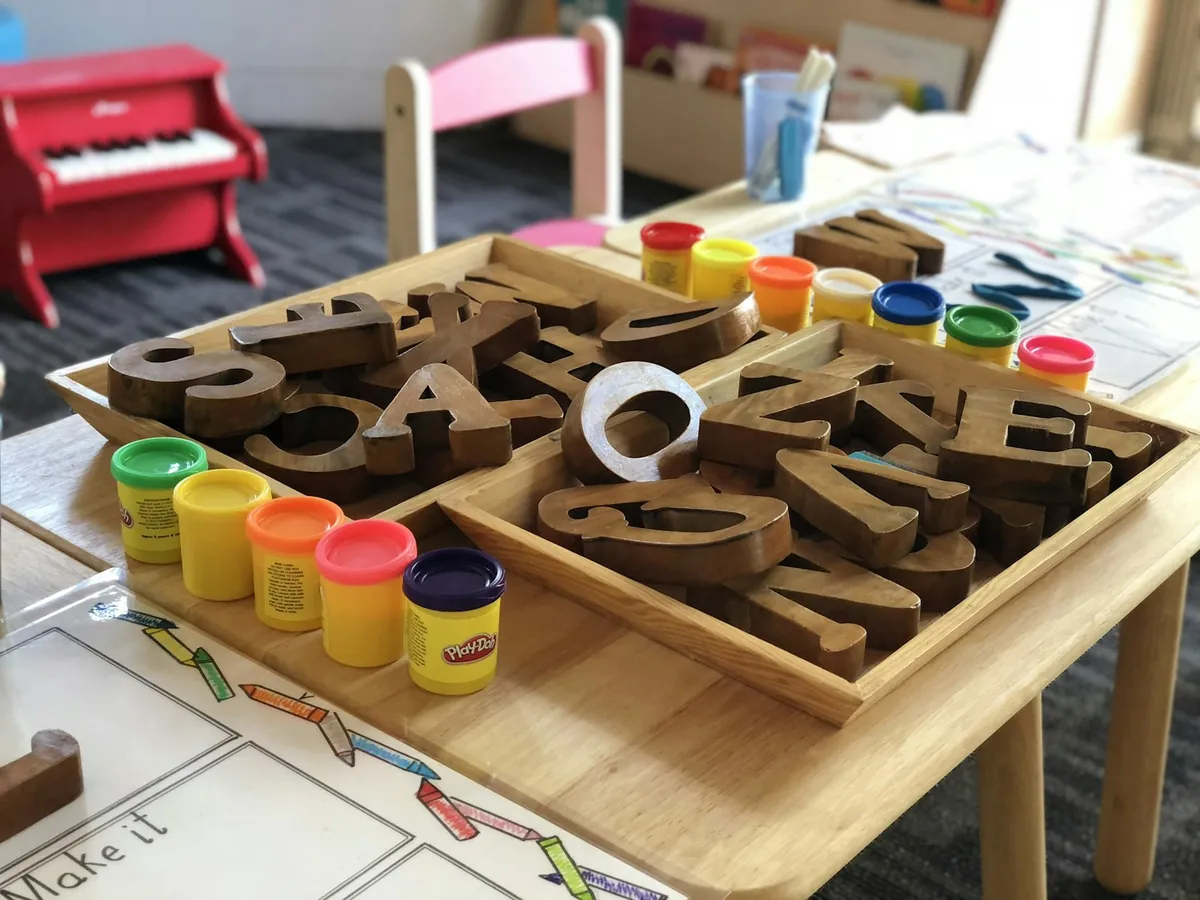
Loose parts help enormously: blocks, fabric, boxes, anything that can be a different thing next week. A toy that does one thing is a toddler toy.
The same logic applies to what you bring from home. A four-year-old will do more with a length of ribbon and an empty box than with an expensive toy that has a single function, and the difference shows up most in a shared space where the box can become part of somebody else’s game.
The mixed-age problem
Most families with a preschooler also have a younger child, and most venues are optimised for one age or the other.
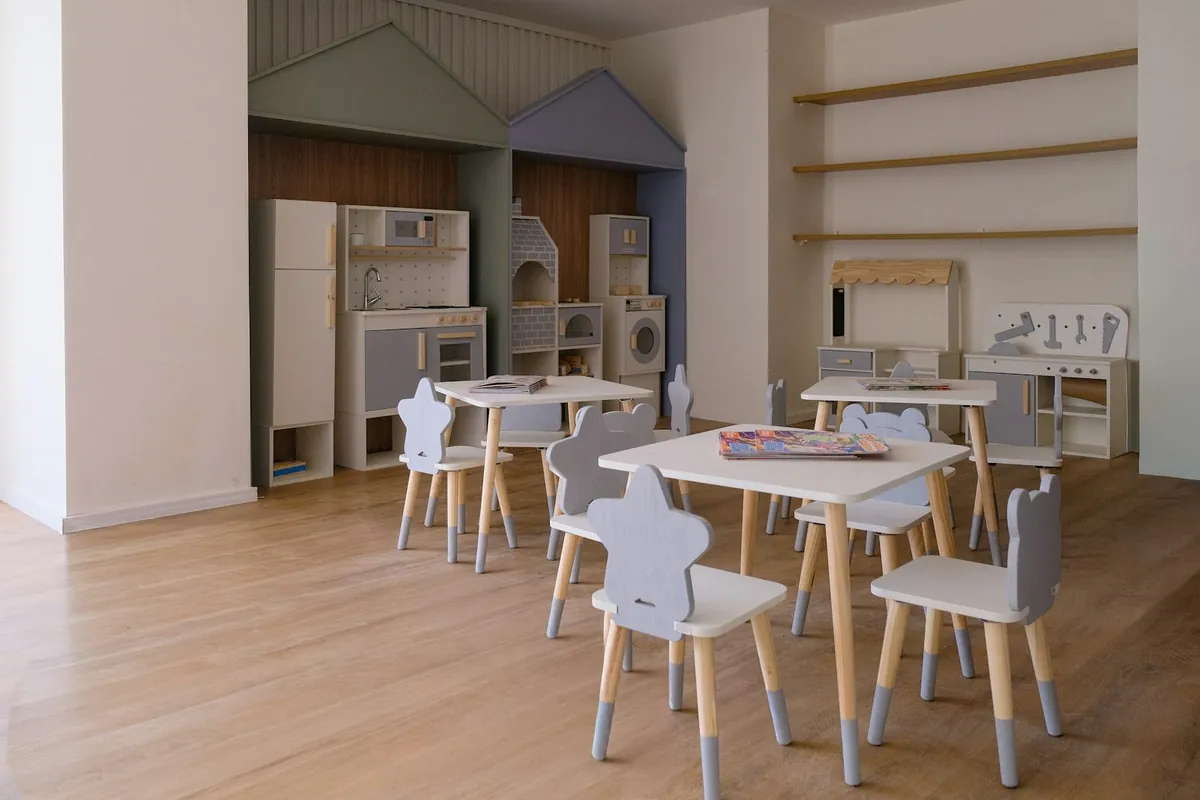
What works is a room with a genuinely separate baby and toddler area rather than one space with a size rule. That way the four-year-old can be somewhere with enough challenge in it while the younger one is not being run over, and you can see both.
Being honest about the split helps too. A morning where the preschooler gets forty minutes of what they want, and the toddler gets forty minutes of what they want, works better than an hour of compromise that suits neither.
They will still need you, differently
The most common preschool complaint is that they are bored, and the most common reason is that the scenario has run out of participants rather than that the room is dull.
Two minutes of joining in usually restarts it. Take the role you are offered, do it badly, and withdraw once it is running again. Directing the play — suggesting a better game, tidying as you go, correcting the rules — ends it faster than ignoring them would.
The other thing that helps is not resolving every dispute. Cooperative play at four is largely made of negotiation, and a fair amount of the value is in the arguing. Our guide to indoor play for toddlers covers the earlier stage, and the contrast between the two is most of this article.
What preschoolers do that toddlers do not
A few behaviours appear around this age that catch parents out because they look like problems and are usually progress.
Rules, endlessly negotiated. Four-year-olds invent rules, change them mid-game, and object loudly when somebody else does the same. This is the mechanism cooperative play is built out of, and it is meant to be argumentative.
Exclusion. “You cannot play” arrives around now and it is genuinely unpleasant to watch. It is usually about controlling a scenario rather than about the other child, and it responds better to being named calmly than to a lecture.
Elaborate pretend that goes on for days. The same game resumed across three visits is a good sign, not a rut. Preschoolers build on a scenario in a way toddlers do not.
Choosing the room
Preschoolers can handle more than toddlers, which changes what to check on arrival. Higher structures and narrower passages are appropriate now, and so are the age limits that go with them — a four-year-old is usually at the bottom of the older band rather than the top of the younger one.
Our indoor play safety checklist covers what to look at when you walk in, and play cafe versus indoor playground is worth revisiting at this age, because the answer often changes: the format that suited a toddler is frequently not the one that suits a four-year-old.
Our visit page has our opening hours if you want to pick a time that suits the age you are bringing.
Frequently asked questions
Why has my preschooler stopped enjoying our usual play space?
Their play has changed rather than the room. Around three, exploring objects gives way to inventing scenarios, and a space built for toddler exploration stops offering enough to invent with.
What do three to five year olds need from indoor play?
Open-ended material and other children. Role play areas, loose parts and construction hold a preschooler far longer than a bigger climbing frame does.
Is a quiet session better for a preschooler?
Often not. Toddlers do better in a quiet room; preschoolers play cooperatively, so a moderately busy session gives them what they actually came for.
How long should a preschooler stay at a play space?
Up to about two hours, longer than a toddler’s sixty to ninety minutes, provided there is enough to invent with and other children to invent it with.
How do I manage a preschooler and a toddler at the same venue?
Look for genuinely separate areas rather than one space with a size rule, and split the morning honestly — forty minutes of what each of them wants beats an hour of compromise that suits neither.