
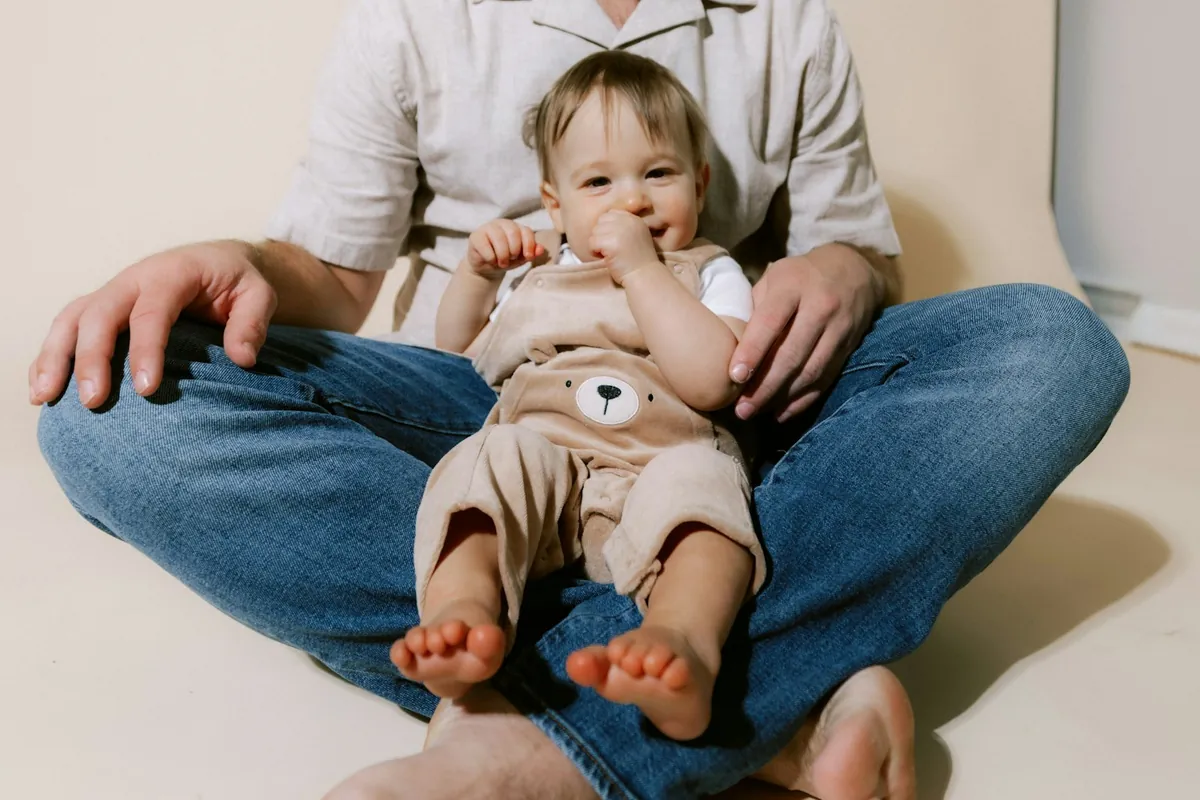
You have paid to get in, walked across the room, and your child is now attached to your leg with a grip you did not know they had. Other children are already up the climbing frame. Yours has not let go in twenty minutes.
It is a demoralising way to spend a morning, particularly when you came out specifically so they could play. It is also extremely common, and much less of a problem than it looks.
Warming up slowly is a temperament, not a fault
Children arrive with different settings for new situations. Some walk in and start. Others need to watch first, sometimes for a long time, before anything else happens.
The watching is not wasted. A child observing from your knee is working out where things are, how loud it gets, what the other children are doing and whether anything is going to happen to them. They are gathering information, and when they have enough, they move.
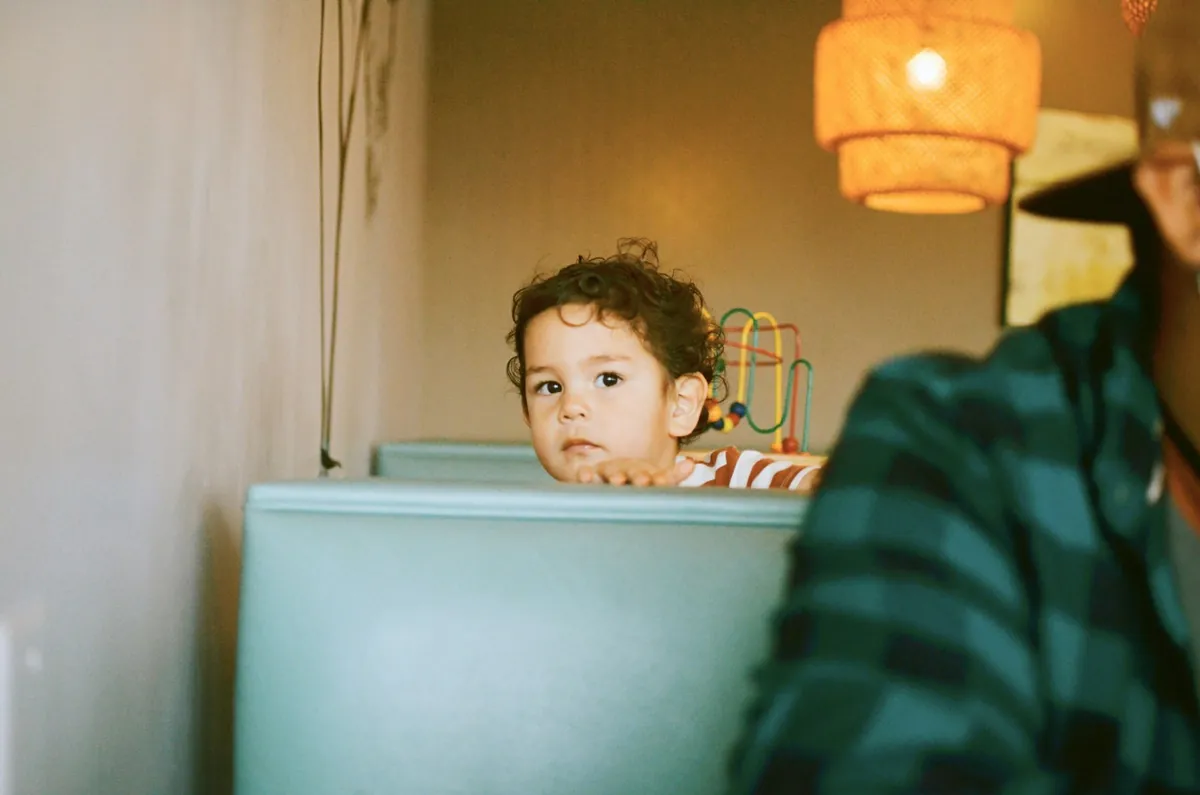
The mistake is reading that as a problem to solve. A slow-to-warm child who is pushed in before they are ready does not warm up faster; they usually retreat further and take longer the next time.
What tends to make it worse
Common instincts that backfire
- Peeling them off and walking away. Confirms that the room is something to be left in.
- A running commentary. “Look, that girl is nice, go and say hello” adds pressure to a child already at capacity.
- Comparing out loud. “Everyone else is playing” is heard, and remembered.
- Apologising to the room. Signals that something has gone wrong.
- Leaving early in frustration. Ends the session at the worst possible moment, just as the watching was about to pay off.
The other one worth naming is bribery. “If you go and play we will get a treat” turns a nervous situation into a transaction, and it teaches nothing about the room.
What actually helps
Almost all of it comes down to being boring, available and unhurried.
Sit down at the edge, close to something they might like, and stay there. Do not face them or watch them expectantly — look at the room, or your drink. A parent who is visibly waiting for their child to do something is a parent applying pressure without saying anything.
Then let them lean on you as long as they want. Counter-intuitively, the fastest route into the room is usually being allowed to stay out of it. Pathways.org’s guidance on easing separation makes the same point about preparation and short, repeated exposures rather than a single push.
The practical tricks that do work
Worth trying
- Arrive early. An emptier room that fills up gradually is far easier than walking into a full one.
- Go back to the same place. Familiarity does more than any technique.
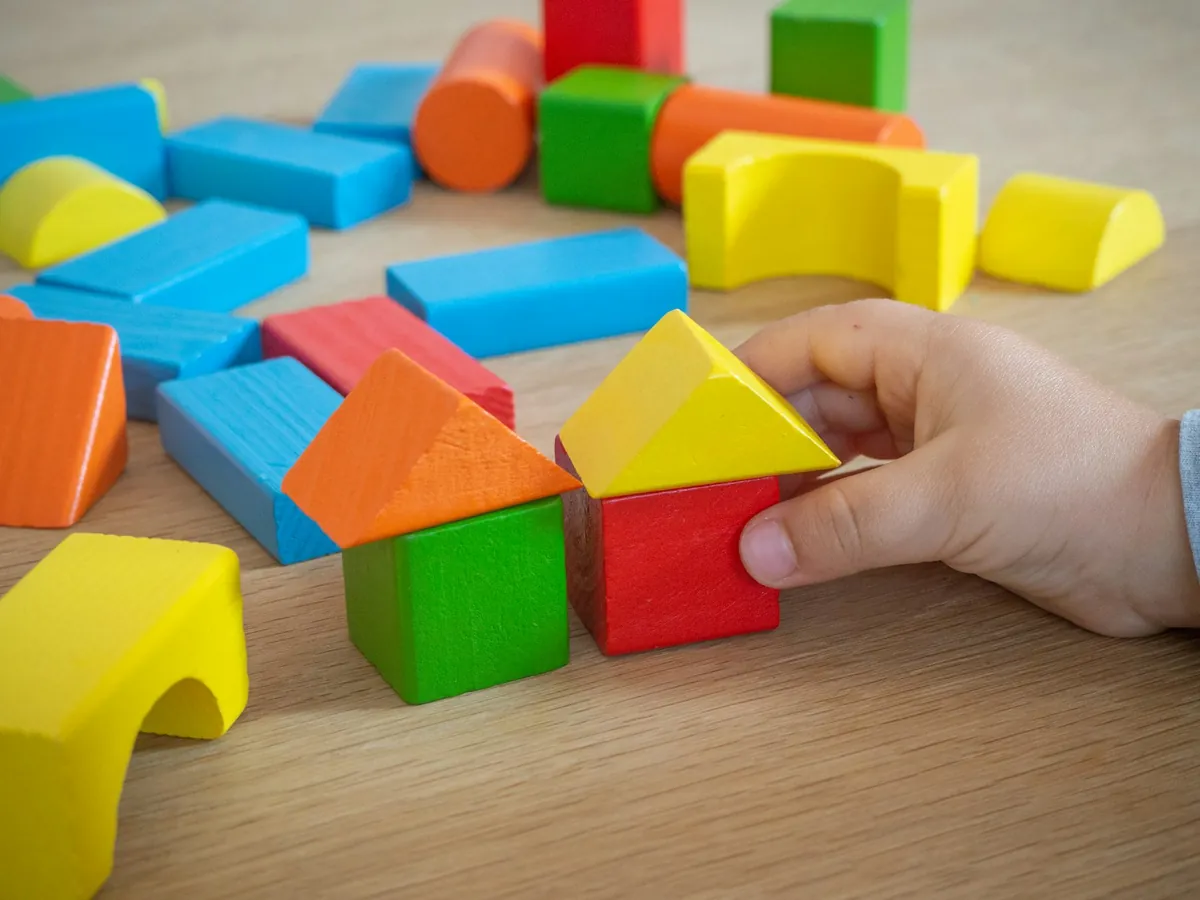
- Play yourself. Not with them — near them. A parent quietly stacking blocks is an invitation with no demand in it.
- Bring something from home. A familiar object anchors an unfamiliar room.
- Pick a corner, not the middle. A base with a wall behind it feels different.
- Say how long you are staying, so the visit has a shape.
Preparing them before you go
A surprising amount of the work happens before you leave the house, and it costs nothing.
Say where you are going and what will be there, in the same words each time. Name what usually worries them — that it will be loud, that there will be lots of children — rather than promising it will be lovely, because a child who has been told it will be fine and then finds it overwhelming trusts the next description less.
Agree the plan out loud: we will sit down first, you can stay with me as long as you want, and we will go home after lunch. Knowing they are allowed to stay put is often exactly what frees a child to stop staying put.
How long it usually takes
Longer than you would like, and less long than it feels. Twenty to forty minutes of watching before joining in is entirely ordinary for a slow-to-warm three-year-old in an unfamiliar room.
The pattern across visits matters more than any single session. Second visits are commonly much faster than first ones, and by the fourth or fifth trip to the same place, many children who clung for half an hour walk straight in. This is the main practical argument for returning somewhere rather than trying somewhere new each week.
It is also worth separating this from overstimulation, which looks different: a clingy child is cautious, while an overwhelmed one is frantic. Our guide to the overstimulated toddler covers the second case.
When it is you they will not let go of
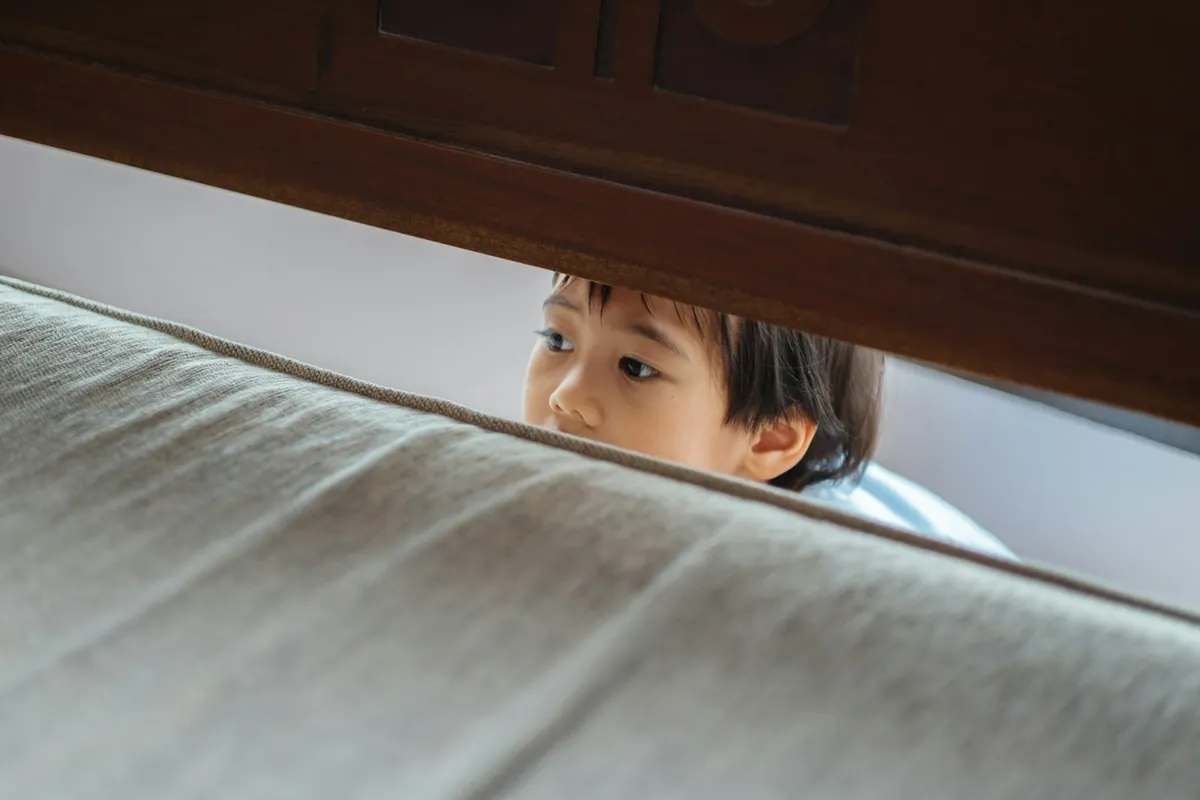
There is a version of this that is harder than it sounds: the child who is perfectly happy in the room but will not let you sit down, use your phone, or talk to another adult for ninety seconds.
That is a different thing from caution about the room, and it usually responds to being topped up rather than pushed away. Ten minutes of proper, undivided attention at the start — on the floor, playing what they want, not looking at anything else — frequently buys more independent time than an hour of half-attention with interruptions.
It also helps to be honest with yourself about what the outing is for. If you came out hoping for a coffee and twenty minutes to think, and your child came out hoping for you, the morning is going to feel like a failure to both of you. Some visits are theirs.
When it is worth mentioning to someone
Almost never, on its own. Caution in new places is normal across the whole of early childhood and most of it resolves without anyone doing anything.
What is worth raising at a routine health visit is a broader pattern: if the reluctance appears everywhere rather than in new places, if it is getting stronger rather than easing over months, if it comes with a marked drop in speech or eye contact, or if your child seems genuinely distressed rather than simply cautious. Not as an emergency — just as something someone should know about.
Our guide to indoor play for toddlers covers choosing somewhere that suits a cautious child, and what a play cafe is explains the format if you have not been to one. Our visit page has our opening hours if you would rather come at a quiet time.
Frequently asked questions
Why is my toddler so clingy at play groups?
Many children are slow to warm up in new places. Watching from a parent is how they gather information about a room before joining in, and it is a temperament rather than a problem.
Should I make my child go and play?
No. Pushing a cautious child in before they are ready generally makes them retreat further and take longer next time. Staying available and unhurried is faster.
How long does it take a shy child to join in?
Twenty to forty minutes on a first visit is ordinary. What matters more is the pattern across visits — second and third trips to the same place are usually much quicker.
Does going to the same place help?
A great deal. Familiarity does more than any technique, which is why returning to one venue often works better than trying somewhere new each week.
When should I mention clinginess to a health visitor?
If it happens everywhere rather than only in new places, is getting stronger over months, comes with a drop in speech or eye contact, or looks like real distress rather than caution. Otherwise it is ordinary.