Messy play is the kind of activity adults tolerate rather than choose. It takes ten minutes to set up, twenty minutes to clean up, and produces nothing you would keep. From the outside it looks like a child smearing paint about.
From the inside, it is one of the more efficient pieces of learning a toddler does all week. Understanding what is going on underneath makes the clean-up considerably easier to stomach.
What is actually happening
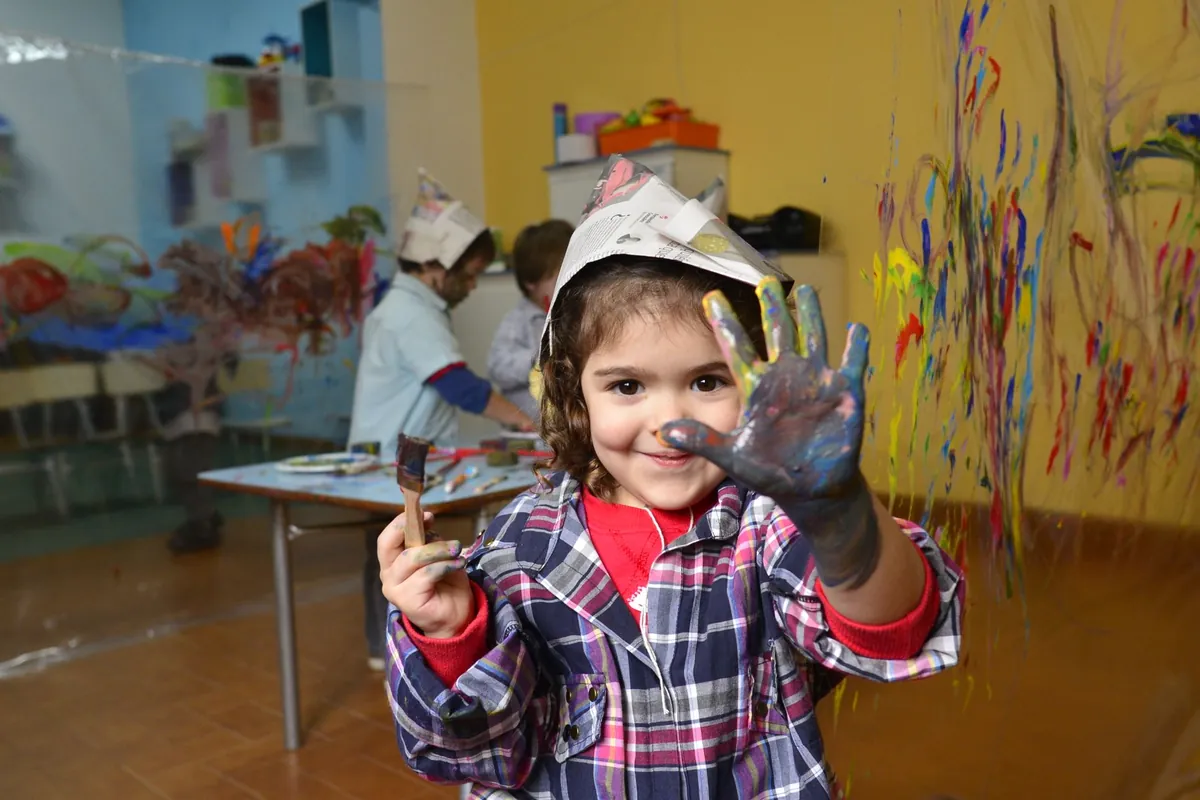
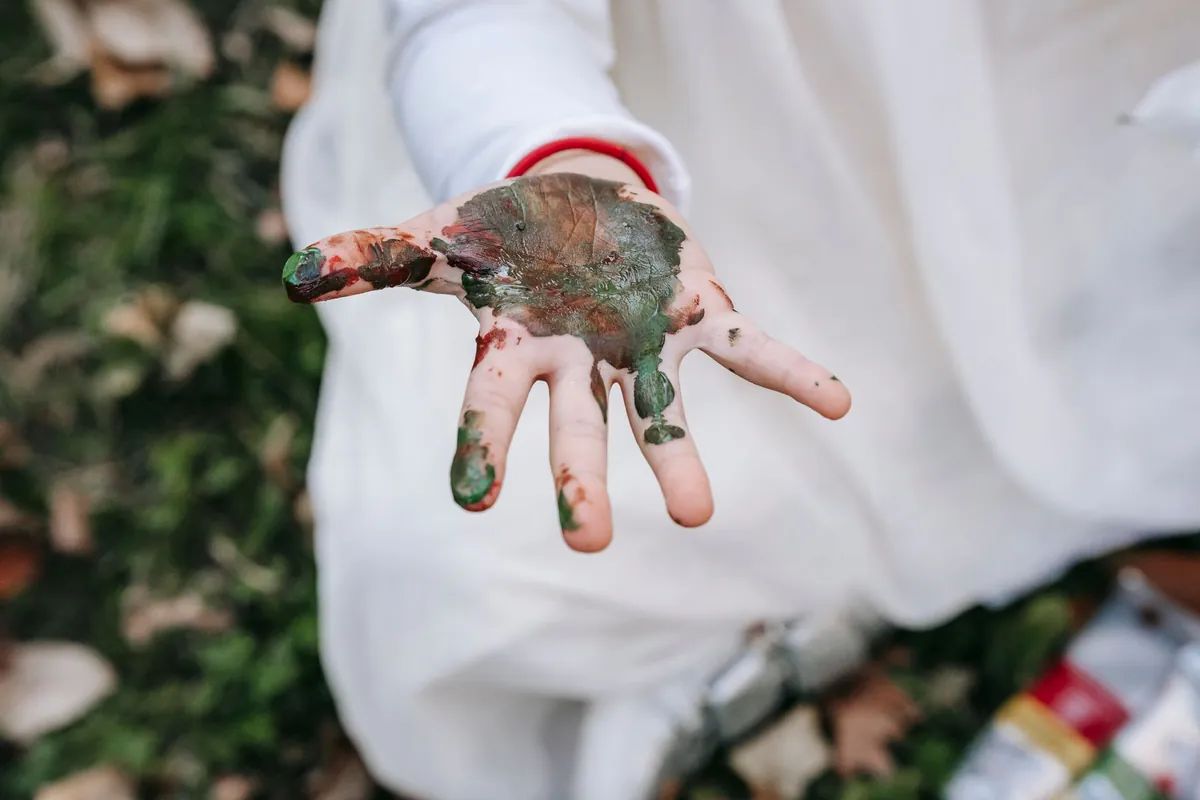
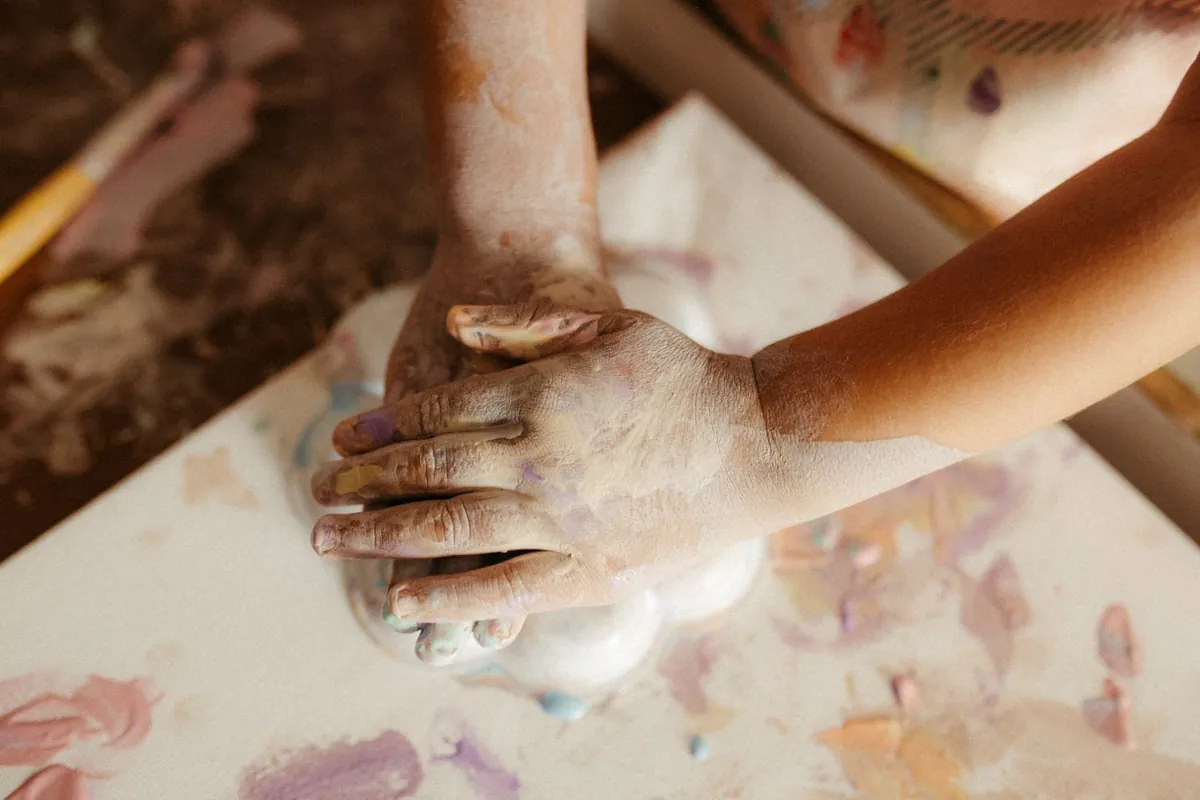
A toddler pressing their palm into wet paint is running an experiment with a genuine question behind it: what does this do when I do that? Repeat it thirty times with slightly different pressure and you have the beginnings of cause and effect.
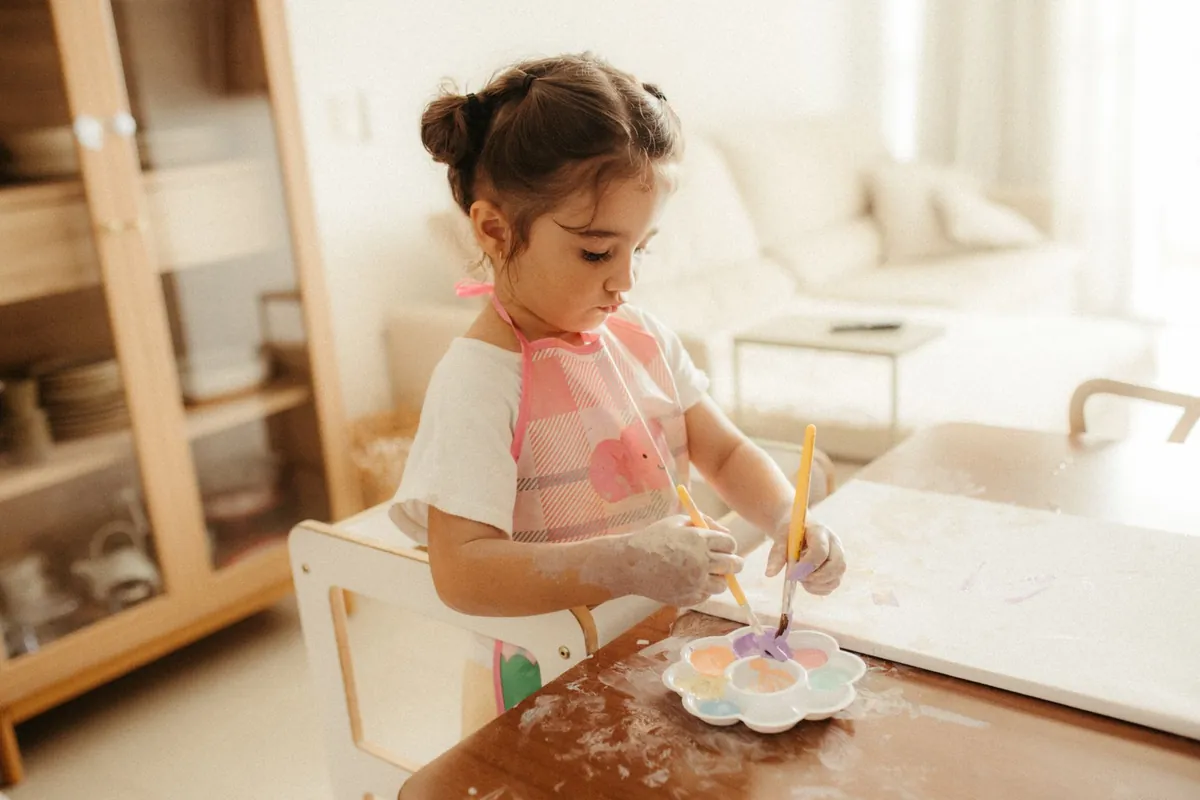
The same session is quietly building several other things at once. Pinching, squeezing and poking develop the small hand muscles that will later hold a pencil. Pouring and scooping teach volume long before anyone mentions the word. And because messy play has no correct outcome, there is nothing to get wrong, which is unusual in a toddler’s day.
Head Start’s overview of messy play makes the same case from an early-education perspective, and it is a useful thing to have read the next time somebody describes it as just making a mess.
The language part is the surprise
Sensory play generates vocabulary that sitting still does not. Sticky, gritty, slimy, cold, runny, squashy — these are words that only make sense when your hands are in the thing they describe.
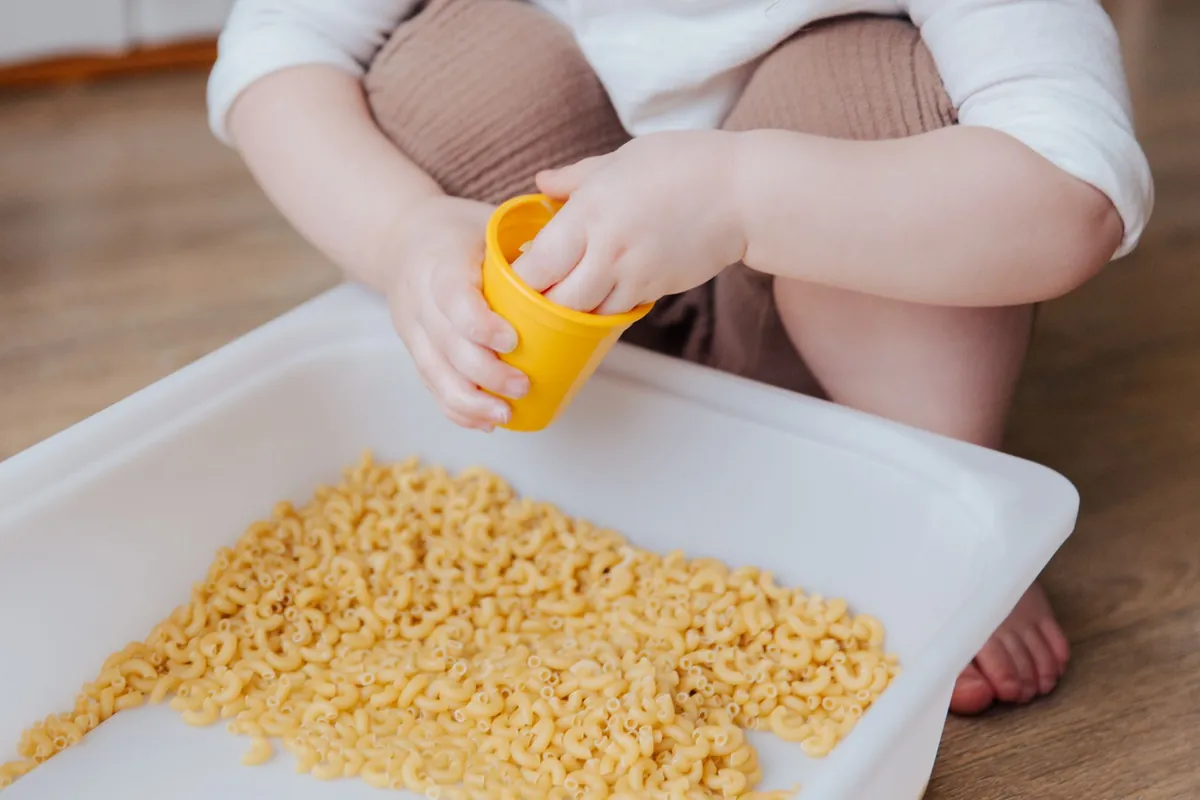
It also produces the kind of side-by-side, unhurried situation where toddlers talk. A child who says very little at the table will often narrate constantly with their hands in a tray of dried pasta. If you want language, this is a better bet than most things marketed for the purpose.
What counts as messy play
Almost anything with a texture. It does not need buying and it does not need a theme.
| Material | Mess level | Mainly builds |
|---|---|---|
| Water and cups | Low, dries clear | Pouring, volume, cause and effect |
| Dried pasta or rice | Low, sweeps up | Scooping, sorting, hand strength |
| Playdough | Medium | Squeezing, rolling, finger strength |
| Sand | Medium, travels | Digging, texture, patient repetition |
| Paint | High | Colour, mark-making, bold arm movement |
| Cooked spaghetti | High and memorable | Texture tolerance, grip |
Under about eighteen months, assume everything goes in the mouth and choose materials with that in mind. Water, large pasta shapes and edible dough are the sensible end of the range at that age.
Containing it without ruining it
The instinct is to keep saying “careful”. The trouble is that careful and messy play are opposites, and a toddler who is being corrected every thirty seconds stops experimenting.
Sort the boundaries out first, then genuinely let go.
Setting up
- Put it in a tray. A washing-up bowl or a baking tray defines the area without you having to say anything.
- Cover the floor, or move the whole thing outside, or do it in the bath.
- Dress for it. Old clothes beat an apron that has to stay on.
- Have the flannel ready before you start, not after.
- Keep it short. Fifteen genuinely absorbed minutes is a good session.
- Let them help clear up. A cloth and a spray bottle are, to a toddler, more messy play.
When your child hates it
Some children want nothing to do with any of this. They hold one finger out, touch the paint, and want it off immediately. This is common and it is not a problem to be fixed by insisting.
Work outwards from tools. A brush, a spoon or a stick puts distance between the hand and the substance, and plenty of children will happily engage that way for months before touching anything directly. Dry textures — rice, pasta, sand — are usually tolerated long before wet ones.
Let them watch, too. A child standing at the edge of a table observing somebody else is learning, even with clean hands. If a strong aversion to textures shows up across food, clothing and play at the same time, it is worth mentioning at a routine health visit — not as an emergency, just as a pattern somebody should know about.
How often, and how long
Messy play does not need to be a daily project, and treating it as one is how it quietly becomes a chore that never happens. Once or twice a week is plenty, and the sessions that work are short.
Fifteen to twenty minutes of genuine absorption is a full session for a toddler. Watch for the moment the exploring stops and the throwing starts — that is the signal that the learning part is over and you are now simply supervising a mess. Ending there, while it is still going well, makes the next session easier to start.
Repetition matters more than variety. The instinct is to keep introducing new materials, but a child who has played with the same tray of rice six times is doing something more advanced each time, not less. Novelty is for the adult’s benefit far more often than the child’s.
Doing it somewhere that is not your kitchen
The honest barrier for most families is not the value of messy play. It is that it happens in your house, and you are the one wiping it up afterwards.
This is a large part of why play spaces exist. Somewhere designed for it has wipeable surfaces, a floor that is meant to get dirty and, crucially, somebody else doing the clean-up — which means you can let a session run its course rather than ending it early to protect the carpet.
Our guide to indoor play for toddlers covers what to look for more broadly, and if you are new to the idea, what a play cafe actually is explains how the format works. For other options nearby, our roundup of indoor activities in Milwaukie lists what else is around, and you can see our own opening times on the visit page.
Frequently asked questions
What are the benefits of messy play for toddlers?
It builds fine motor control, introduces cause and effect, generates descriptive vocabulary and gives children an activity with no wrong answer. The open-ended quality is a large part of the value, not a side effect.
At what age can a baby start messy play?
Once they are sitting steadily and reaching for things, usually somewhere around six to nine months. Assume everything goes in the mouth at that stage and stick to water, large pasta shapes or edible dough.
How do I stop messy play taking over the house?
Contain it before you start: a tray or bowl to define the area, a covered floor or an outdoor spot, old clothes, and a flannel within reach. Fifteen absorbed minutes is a full session.
My toddler hates getting their hands dirty. Is that a problem?
Usually not. Offer tools so they can join in without direct contact, start with dry materials like rice or pasta, and let them watch. If a strong aversion to textures appears across food, clothes and play together, mention it at a routine health visit.
Does messy play help with speech?
It tends to. Textures produce descriptive words that are hard to teach any other way, and the relaxed, side-by-side setup is one where toddlers naturally narrate what they are doing.