Most play cafe rules are posted on the wall. The ones that matter most are not — they are the conventions other parents notice, and nobody explains them to you on your first visit.

The four that matter most: stay with your child and stay off your phone enough to notice what they are doing; keep them home if they are ill; socks on, shoes off; and if your child takes something or hurts someone, step in yourself rather than waiting for staff or the other parent.
Supervision is the big one
Play cafes are not childcare. The adult who brought a child is responsible for that child, and staff are running a kitchen and a counter rather than watching the room.
In practice this means staying somewhere you can see your child and looking up regularly. Nobody expects you to hover — the whole point is that you get to sit down — but there is a difference between relaxing with a coffee and not noticing that your two-year-old has been at the top of the slide refusing to move for five minutes.
The reasonable standard is: you would notice within about thirty seconds if something went wrong.
For cleaning and hygiene more broadly, see our guide to indoor play and the illness question.
Illness
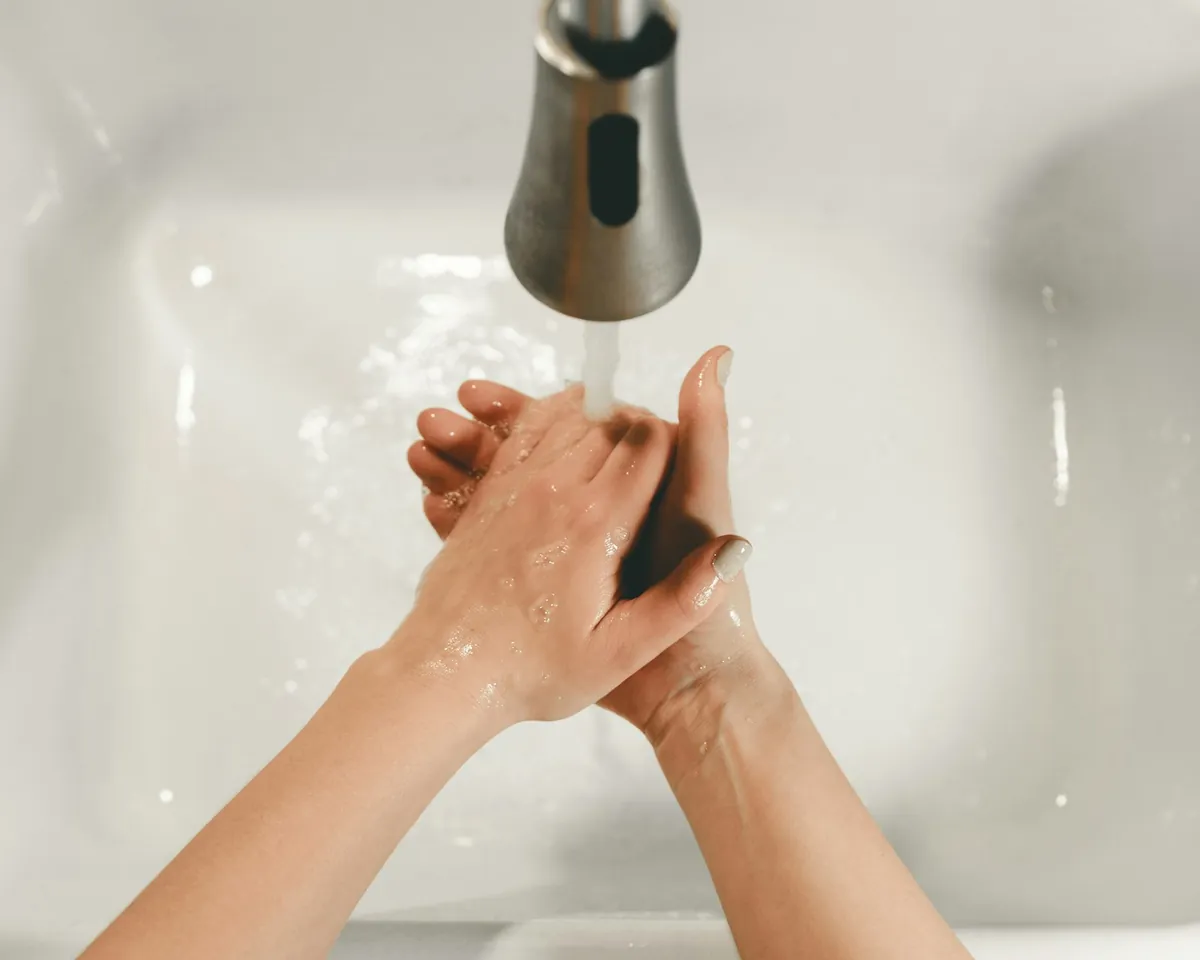
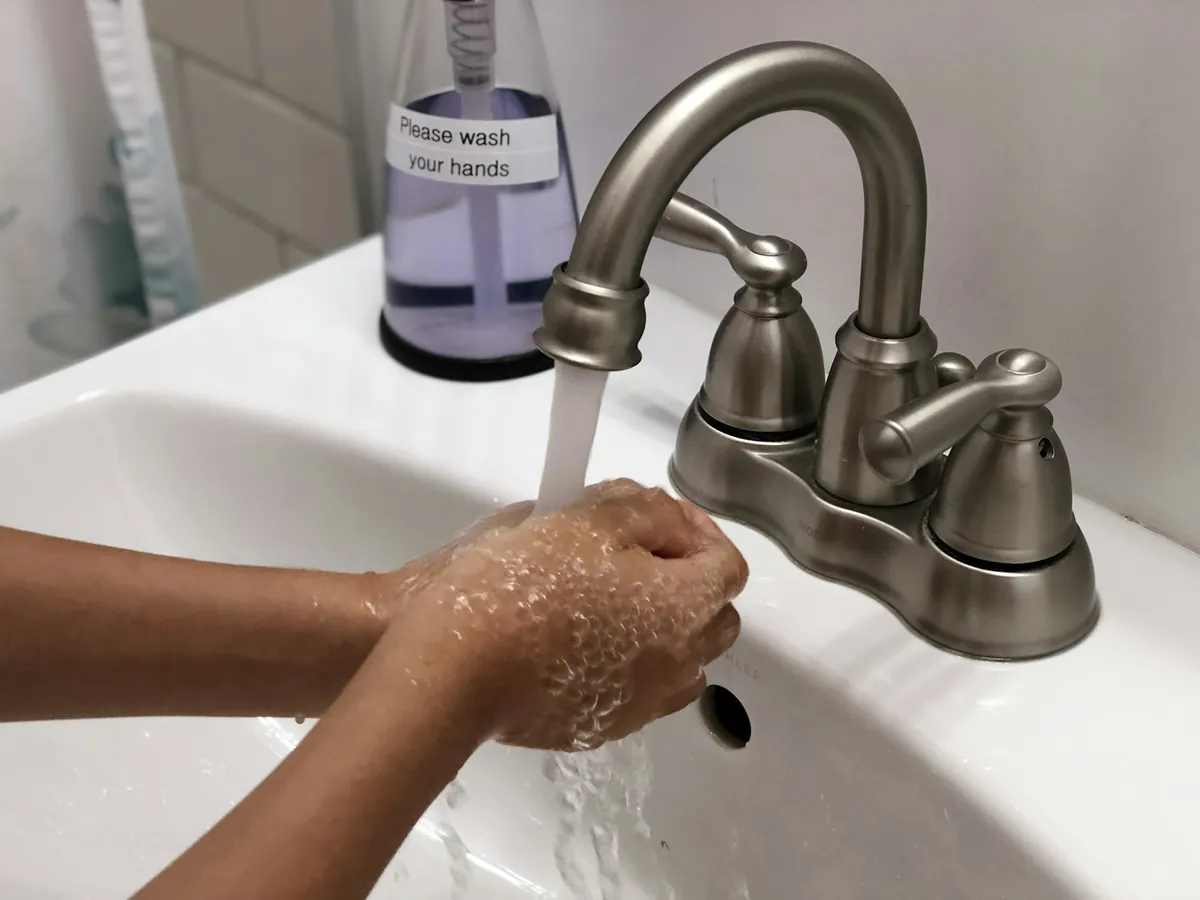
This is the rule parents feel most strongly about, and the one most often broken. A shared play space with a lot of under-fives spreads infection efficiently, and a child who is obviously unwell should be at home.
The usual markers are fever, vomiting, diarrhoea in the previous 24 to 48 hours, an unexplained rash, or a cough bad enough that they cannot play comfortably. The Oregon Health Authority publishes general communicable-disease guidance if you want a reference point, though most venues set their own policy — check it if you are unsure.
A mild runny nose in February is a different matter, and no venue could operate if that excluded everyone. Use judgement: could another parent look at your child and reasonably be annoyed?
Shoes, socks and bags
- Shoes off, socks on. Most play areas require it. Grippy socks are safer than plain ones on soft flooring, and bare feet are usually not allowed either.
- Bags in the cubbies. Not on the floor of the play area, where somebody will trip over them.
- Prams parked where staff ask. Floor space is limited and a badly placed pram blocks a fire route.
- Adults out of the equipment unless a venue explicitly allows it. If your child needs help, most places would rather you asked staff.
Food and drink
Play cafes are working cafes, and the food service is how they stay open. Outside food is usually not permitted, with the normal exceptions for baby food and genuine dietary needs — ask rather than assume.
Beyond the policy, there is a practical convention: eat at the tables, not in the play area. Food in a ball pit is a genuinely unpleasant problem for whoever cleans it.
When children clash
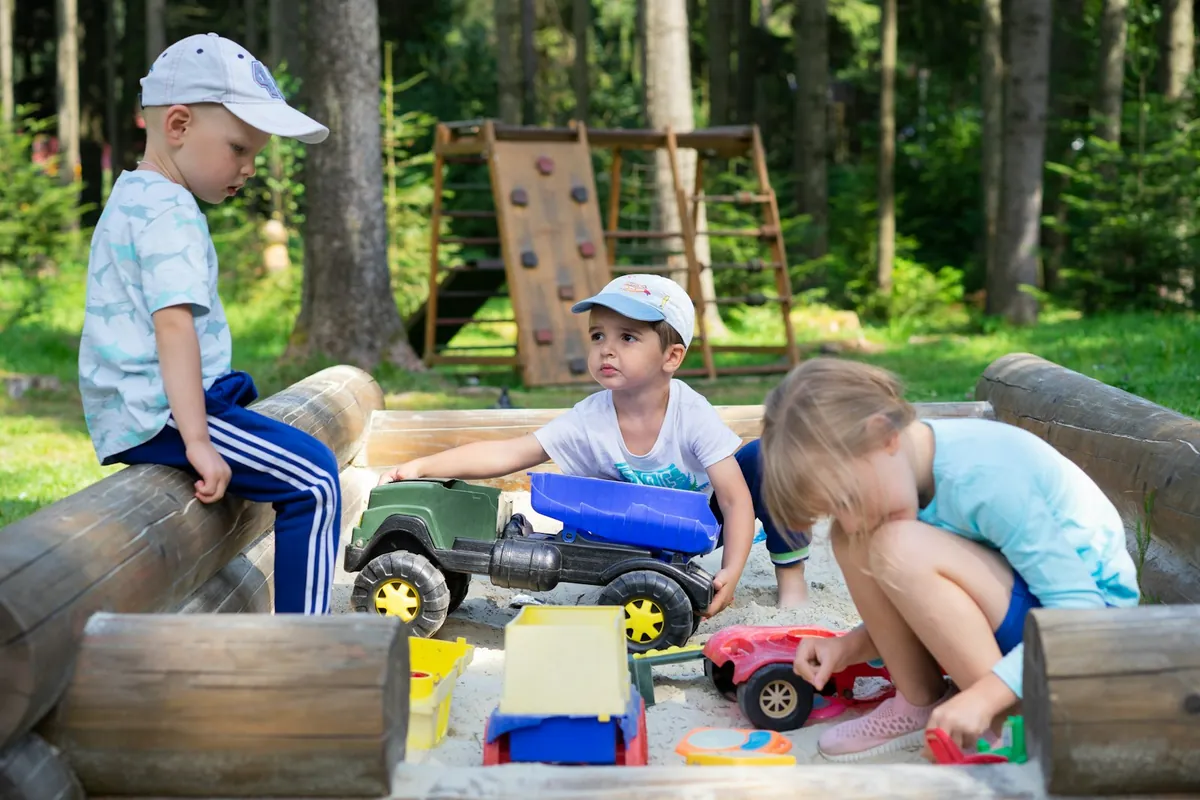
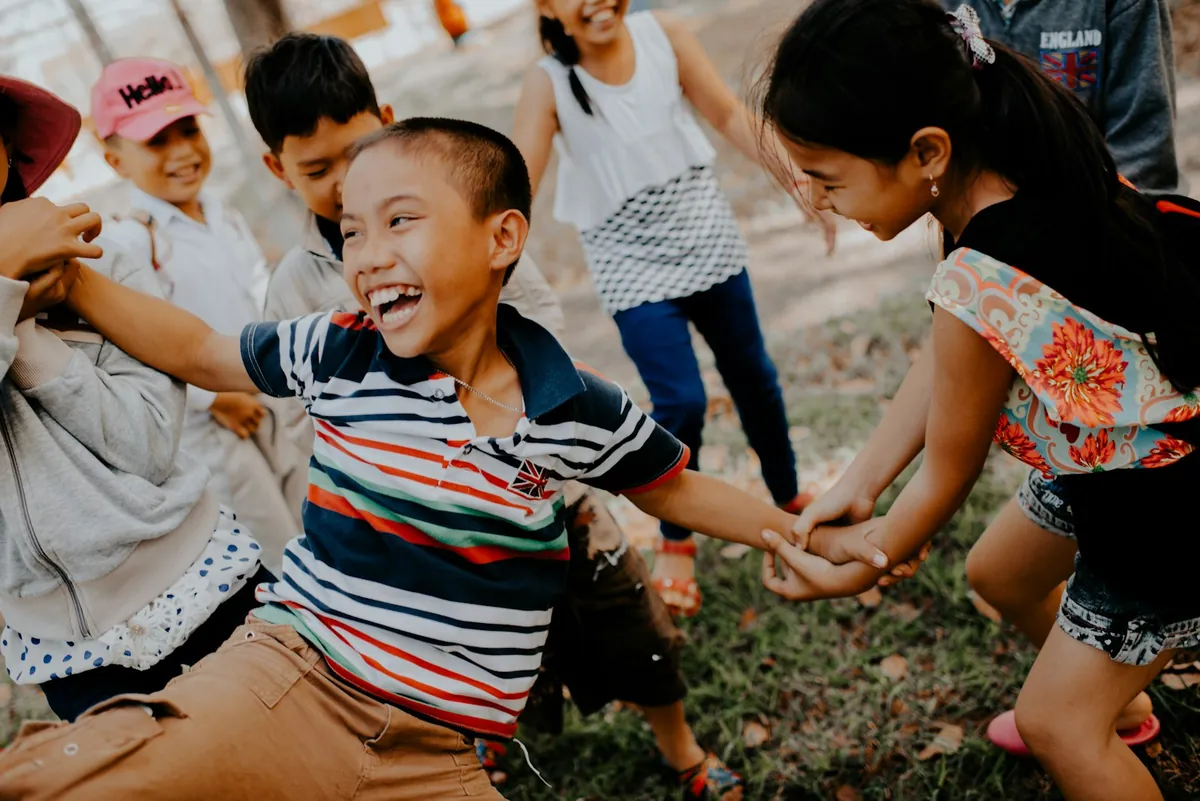
Two children will want the same toy. This is not a discipline failure; it is what happens when you put small children in a room together.
The conventions most parents appreciate:
| Situation | What generally works | What does not |
|---|---|---|
| Your child takes a toy | Go over, help them give it back, move on quickly | Calling across the room |
| Another child takes your child’s | Let the other parent handle it first | Correcting someone else’s child directly |
| Rough play | Step in physically and calmly, then redirect | Waiting to see whether it escalates |
| Your child is upset | Take them somewhere quieter for a minute | Trying to resolve it in the middle of the room |
| A real injury | Tell staff, and tell the other parent | Slipping away without saying anything |
The general principle: manage your own child, give other parents the chance to manage theirs, and tell staff about anything involving an injury or a mess.
On the practical side, see our indoor play safety checklist and our guide to leaving without a meltdown.
Tidying and leaving
Nobody expects you to reset the room. But a quick pass — putting the ride-on back, clearing your table, taking your rubbish — is noticed and appreciated, particularly at a small independent venue where the person clearing up is often the owner.
If your child has a potty accident, tell a member of staff rather than leaving it. It is a thirty-second conversation and it saves somebody a considerably worse discovery.
For the snatching itself — what is going on and what to say — see our guide to sharing and turn-taking with toddlers.
The quieter conventions
- Phone calls outside. A conversation at your table is fine; a speakerphone call is not.
- Photos of your own child only. Other people’s children should not end up in your camera roll, and definitely not on social media.
- Buy something. If you are there for two hours, a coffee and a plate of food is what keeps the doors open.
- Watch the closing time. Staff have a clean-down to do, and lingering twenty minutes past close makes for a long day.
For accidents specifically, see our guide to potty training and days out.
If your child is the one having a hard time
Every child has a bad visit at some point. The room is too loud, they are more tired than you realised, or another child got to the slide first. What other parents notice is not that it happened but how it was handled.
- Move first, talk second. Take them out of the middle of the room before trying to reason with anyone.
- Do not negotiate in public. A quiet corner, a drink, and two minutes usually does more than a conversation.
- Be willing to leave. Cutting a visit short is a completely reasonable outcome and makes the next one easier.
- Do not apologise excessively. Other parents in the room have all been there and would rather you dealt with your child than performed contrition at them.
Talking to staff
Staff at a small play cafe are usually running the counter, the kitchen and the room at once. They would far rather know about something than discover it later. Worth telling them about:
| Tell staff about | Why |
|---|---|
| Any injury, however small | They may need to record it, and check the equipment |
| Spills, accidents, sick | Cleaning materials and a proper clean-down |
| Broken or loose equipment | It gets taken out of use before someone else finds it |
| Allergies, before ordering | Time to check ingredients properly |
| A lost item | Most keep a lost property box |
The etiquette nobody mentions: buying something
Play cafes survive on food and drink sales, and admission alone rarely covers the space, the staff and the cleaning. If you are there for two hours on a wet Tuesday with a table and a chair and the heating on, buying a coffee and something to eat is part of the arrangement.
This matters more at small independent venues than at chains. The difference between a play cafe that is still open next winter and one that is not is often exactly this.
Frequently asked questions
Do I have to stay with my child at a play cafe?
Yes. Play cafes are not drop-off childcare, and the accompanying adult remains responsible for their own children throughout the visit.
Can I bring my own food into a play cafe?
Usually not. Most run their own kitchen and do not permit outside food, though baby food and genuine dietary requirements are normally accommodated. Ask when you arrive.
Should I correct another parent’s child?
Only to prevent immediate harm. Otherwise, let their adult handle it, or mention it to staff if it keeps happening.
Is a runny nose enough to stay home?
A mild runny nose usually is not, but fever, vomiting, diarrhoea or an unexplained rash are. Check the venue’s own policy, which takes precedence.
To sum up
Watch your own child, keep them home when they are ill, socks on, and step in early when something goes wrong. That covers almost everything, and it is what makes a shared play space work for the twenty other families in the room.
Visiting us for the first time?
Our visitor FAQs cover what to expect in the playroom at Two Sisters Play Cafe in Milwaukie.