It is the thought every parent has in the doorway of a soft play room and almost nobody says out loud. A hundred children a day, everything touched, nothing obviously being cleaned, and a two-year-old who puts their hands in their mouth every ninety seconds.
The honest answer is somewhere between the two positions people usually take. Indoor play is not a health hazard, and it is also not self-cleaning. What matters is what the venue actually does and what you do, and both are fairly straightforward.
What the sensible baseline is
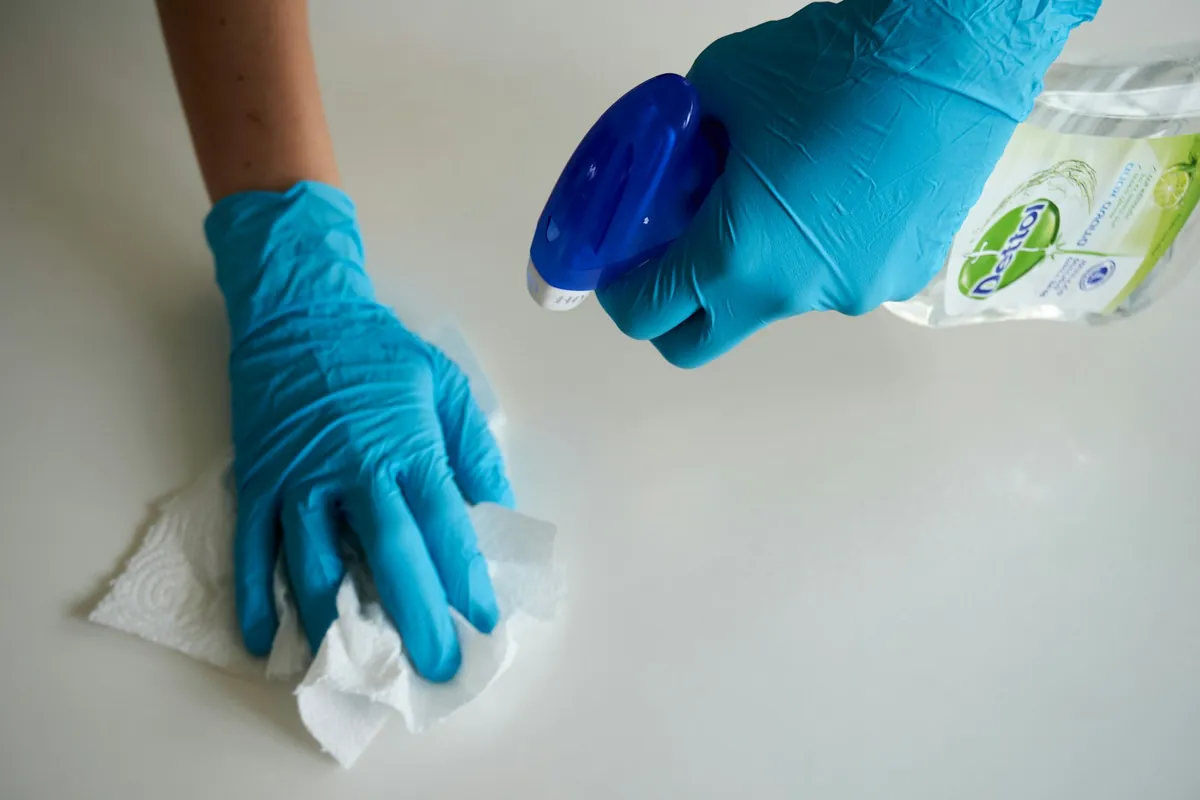
Shared play equipment gets cleaned, or it should. Minnesota’s Department of Health publishes one of the clearer public standards for indoor play area maintenance and sanitation, and although the specifics vary by jurisdiction, the shape of it is consistent: a documented cleaning schedule, daily attention to the whole space, spot cleaning through the day, and a written procedure for bodily fluids.
That last point is the one that separates a well-run room from a casual one. Vomit and toilet accidents happen weekly in any space used by under-fives, and what matters is whether there is a procedure or an improvisation.
Where the actual hotspots are
Not where most people assume. The floor is not the problem; hands and mouths are.
| Surface | Why it matters | What good practice looks like |
|---|---|---|
| Ball pits and soft blocks | Handled constantly, hard to clean quickly | A stated cleaning cycle, not just a hoover |
| Small toys | Go in mouths, especially under two | A bin for mouthed toys, cleaned before reuse |
| Handrails and door handles | Every single visitor touches them | Wiped through the day, not only at close |
| Tables and high chairs | Food plus hands | Cleaned between customers, in front of you |
| Toilets and changing areas | Obvious, and the best single indicator | Checked on a schedule you can see |
The toilets are worth paying attention to precisely because they are easy to check. A venue that keeps them clean and stocked at four in the afternoon is a venue with a system; one that does not is telling you about everything you cannot see.
What you can reasonably ask
None of these are awkward, and the willingness to answer is itself the answer.
Fair questions
- How often is the play equipment cleaned, and is there a schedule?
- What happens to a toy a baby has had in their mouth?
- Is there somewhere to wash hands near the play area, not just in the toilets?
- What is the policy if a child is sick in the room?
- Do you ask people not to come when unwell, and is it stated anywhere?
A venue used to these questions answers them immediately and without defensiveness. One that seems surprised has told you something useful too, though not necessarily something damning — plenty of small, well-run places have never been asked.
Handwashing does most of the work
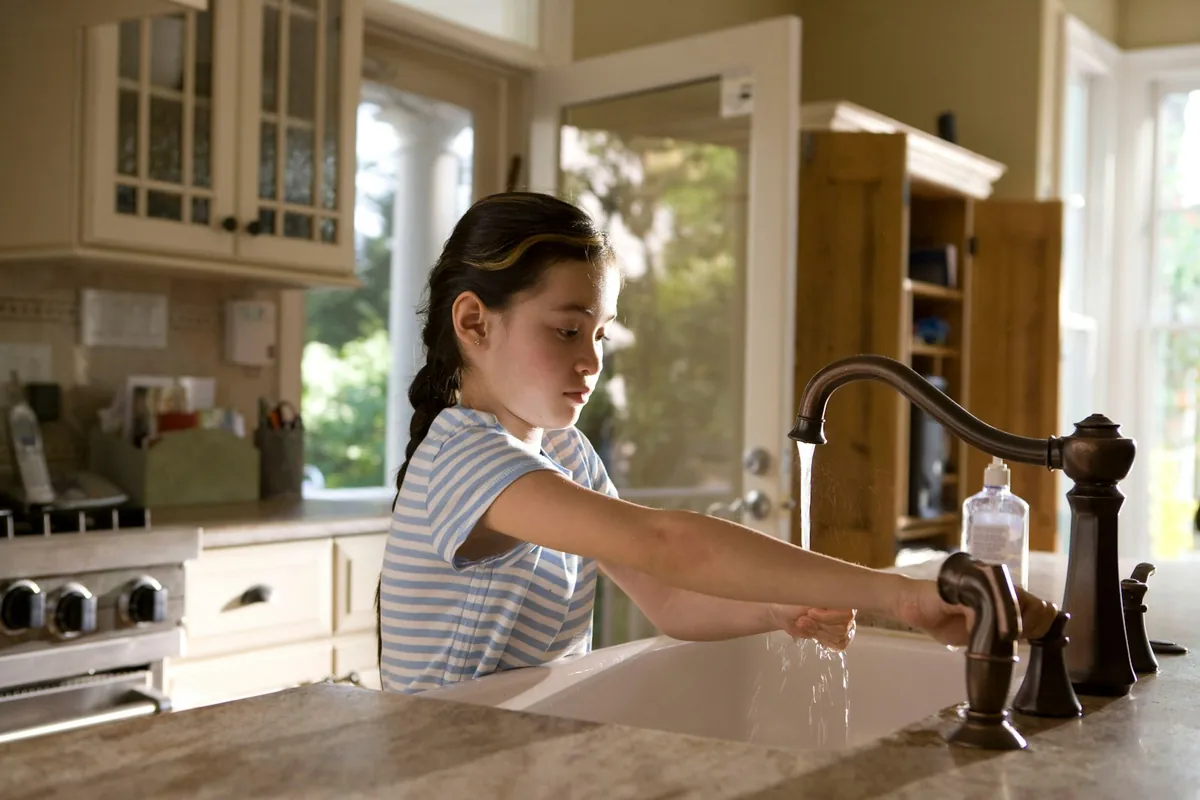
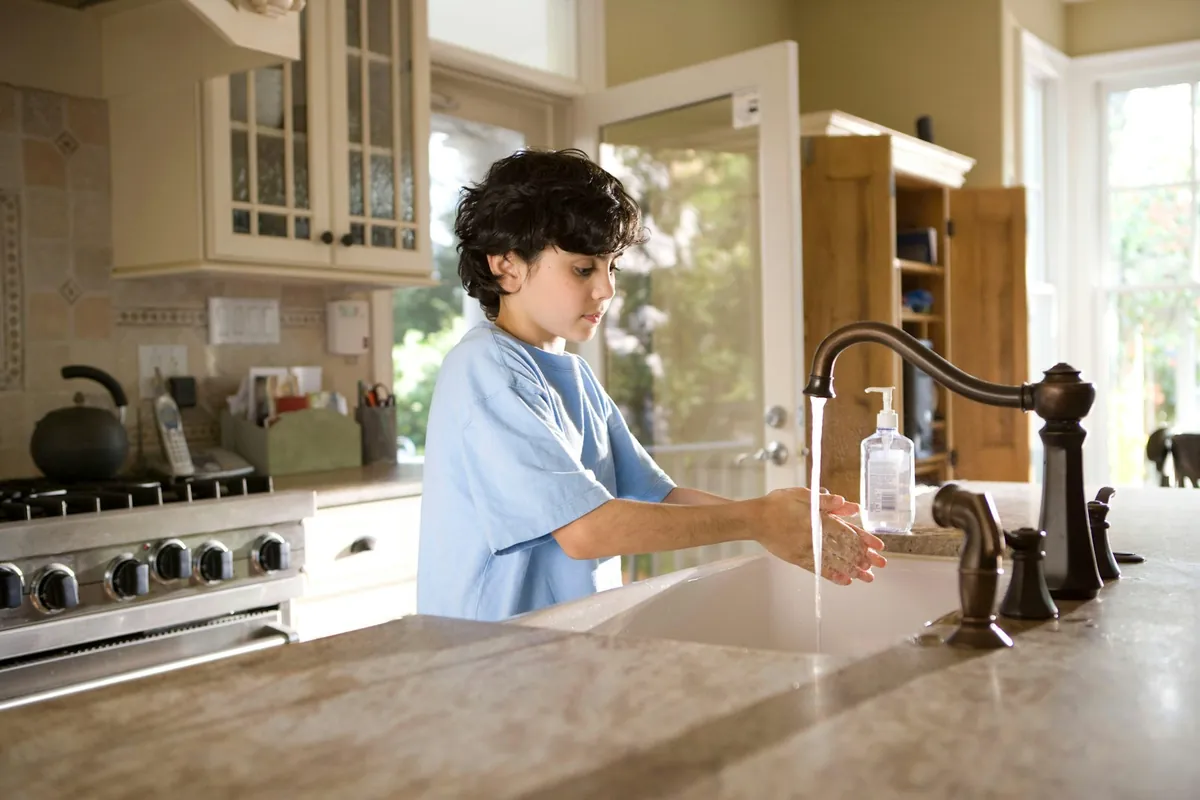
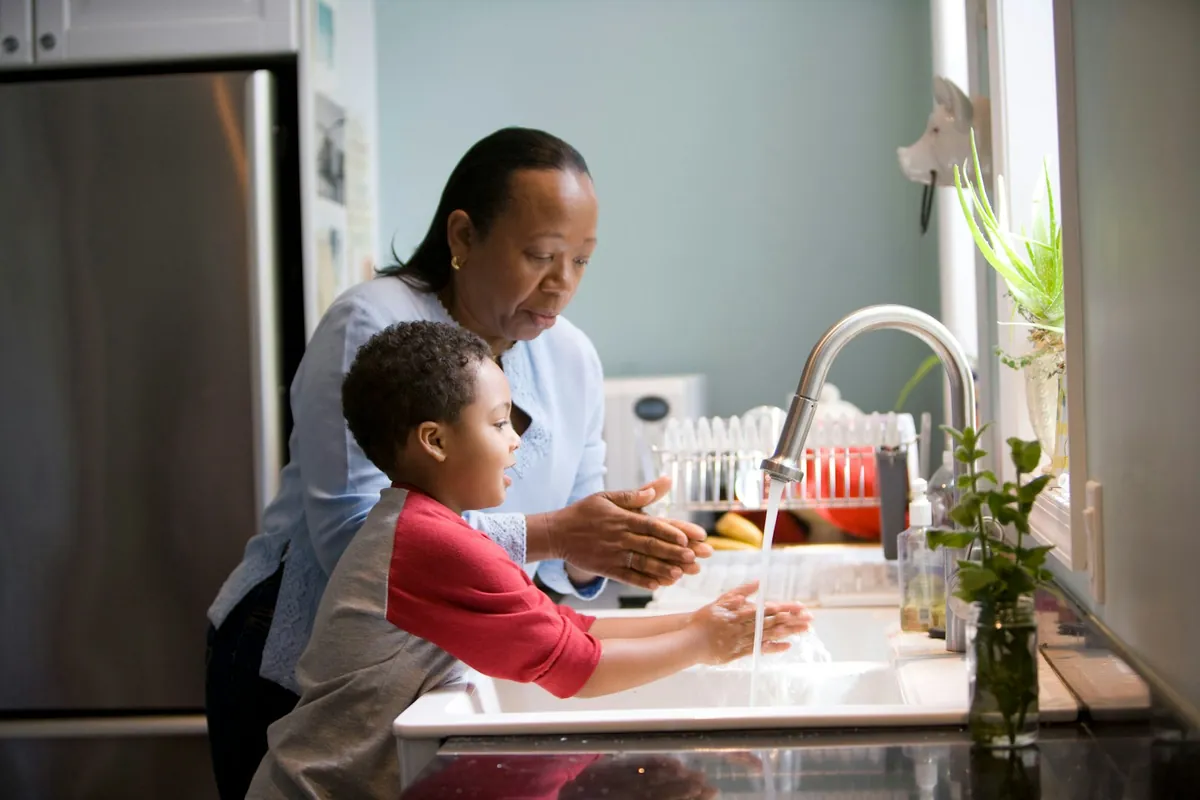
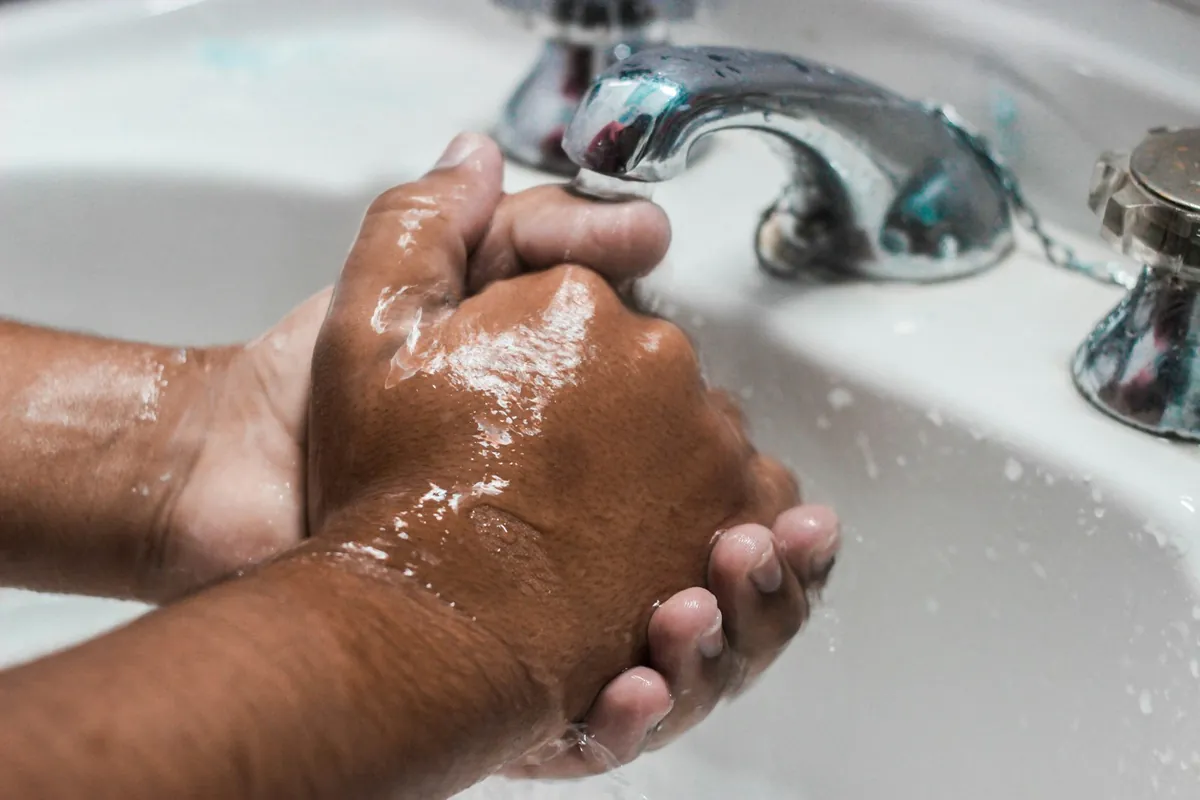
The single most effective thing available to you costs nothing and takes a minute. Wash hands after play and before food, properly, with soap.
That is not a slogan; it is genuinely the intervention with the best return, and it matters far more than avoiding any particular surface. With a toddler the practical version is a fixed routine rather than a judgement call: we always wash before we eat, every visit, without discussion.
Hand gel is a reasonable backup when a sink is not nearby, though it is less effective on visibly dirty hands, which is most toddler hands after forty minutes of play.
Keeping it in proportion
It is worth being straightforward about the trade-off here, because the risk-free version of this does not exist.
Children in group settings pick up more coughs and colds than children who stay home. That is true of nursery, of playgroups, of soft play and of birthday parties. It is also true that staying home has its own costs, and that most families conclude the exchange is worth making. Where that line sits is a decision for each family rather than something an article can settle.
What is not a matter of opinion is the part that keeps everyone else safe: not bringing a child who is unwell. Our play cafe etiquette guide covers that in more detail, and it is the single biggest lever any of us have.
Practical things that help
A short list, none of which requires being the anxious parent in the room.
Go at quieter times, which reduces the number of hands on everything as well as the noise. Bring your own water bottle rather than sharing cups. Keep a comforter or a dummy off the floor if you can, since those go straight back in. And with a baby who is mouthing everything, bring one or two of your own toys, which solves the problem entirely for the youngest age group.
Beyond that, wash hands and get on with it. Our indoor play safety checklist covers the physical hazards, which are a separate question from this one, and our guide to indoor play covers choosing a venue overall. Our visit page has our opening hours if a quieter slot suits.
The socks question
Almost every indoor play space asks for socks, and it is worth knowing that this is a hygiene rule rather than a retail one.
Bare feet on shared soft surfaces are the main route for verrucas and athlete’s foot to move between children, and both are common and tedious rather than serious. Socks with grip on the sole are the standard ask because they also reduce slipping on padded flooring, which is a separate problem.
The practical advice is to keep a spare pair in the bag permanently. Forgetting them is the single most common reason a family ends up buying a pair at the counter, and it is entirely avoidable.
What we would say about our own room
The reasonable position for any venue is to be specific rather than reassuring. “Everything is spotless” means nothing; “here is when we clean, here is what happens if a child is sick, here is where the sink is” means something.
If you want to know how we handle any of it before you visit, ask when you arrive or get in touch beforehand. It is a fair question and it is much better asked than silently wondered about in a doorway.
Frequently asked questions
Are indoor play areas hygienic?
A well-run one is, in the sense that it has a documented cleaning schedule, daily attention to the whole space, spot cleaning through the day and a written procedure for bodily fluids. The variation between venues is larger than the variation between play areas and other group settings.
What should I ask a play space about cleaning?
How often equipment is cleaned and whether there is a schedule, what happens to a toy a baby has mouthed, where the nearest handwashing is, and what the policy is when a child is sick in the room.
What is the most effective thing parents can do?
Wash hands after play and before food, with soap. It is genuinely the intervention with the best return and it matters more than avoiding any particular surface. A fixed routine works better than deciding each time.
Do children get ill more often from indoor play?
Children in any group setting pick up more coughs and colds than children who stay home, which applies to nursery, playgroups and parties as much as to soft play. Whether that trade-off is worth making is a decision for each family.
How can I tell if a venue is well run?
Check the toilets at a busy hour. Clean and stocked at four in the afternoon indicates a system; the opposite tells you about everything you cannot see.