Toddler parties go best when they are simpler than the adults want them to be. One or two activities, food that does not need cutlery, and a finish time that arrives before anyone is overtired.
The principle: for one to four year olds, plan free play as the main activity and treat everything else as optional. Ninety minutes to two hours, one structured activity at most, and food served sitting down. Toddlers do not need a themed programme — they need space, other children and a cake.
Start with the format, not the theme
Decide these three things before you think about decorations:
- Time of day. Mid-morning suits nearly every toddler. It sits after breakfast and before the nap.
- Length. Ninety minutes for under-threes, two hours from three up.
- Where. Home is cheapest but you host, clean and lose your living room. A venue costs more and removes almost all of the work.
Everything else — colours, cake, favours — is decoration on top of those decisions.
Activities that work for this age
Free play, properly resourced
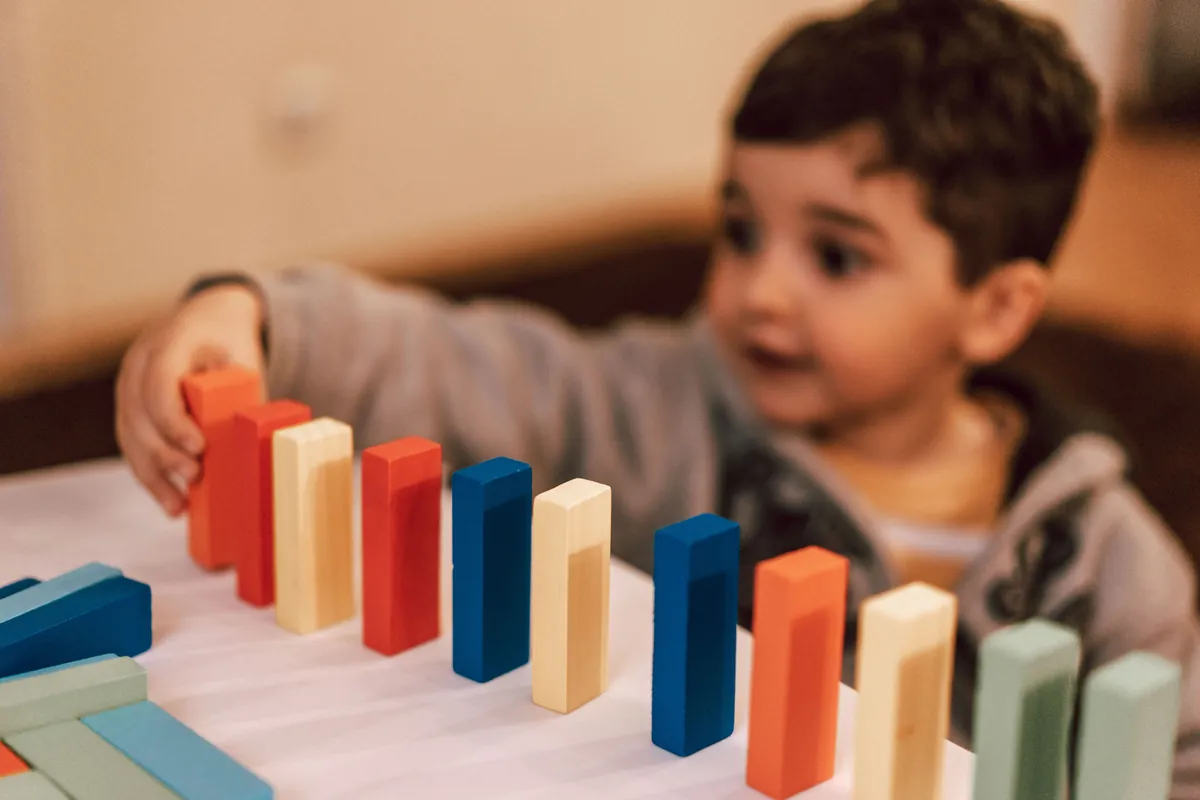
The most successful toddler party activity is simply somewhere good to play with a few other children. If you are at home, clear a room and put out two or three types of toy rather than everything you own. Too much choice at this age produces less play, not more.
A parachute or a big sheet
Two adults, one bedsheet, and children underneath. It costs nothing, works from about eighteen months, and reliably produces ten minutes of delight.
Bubbles
Endlessly effective indoors on a wipeable floor. A battery bubble machine does the work for you and needs no supervision beyond keeping the floor from getting slippery.
Sticker or stamp station
Low mess, no drying time, and it suits the children who need a quieter corner. Big stickers are easier for small fingers than sheets of tiny ones.
A very short music game
Musical statues works from about three. Below that, skip competitive games entirely — a two-year-old who is out of the game is simply a two-year-old who is upset.
Cake as the event
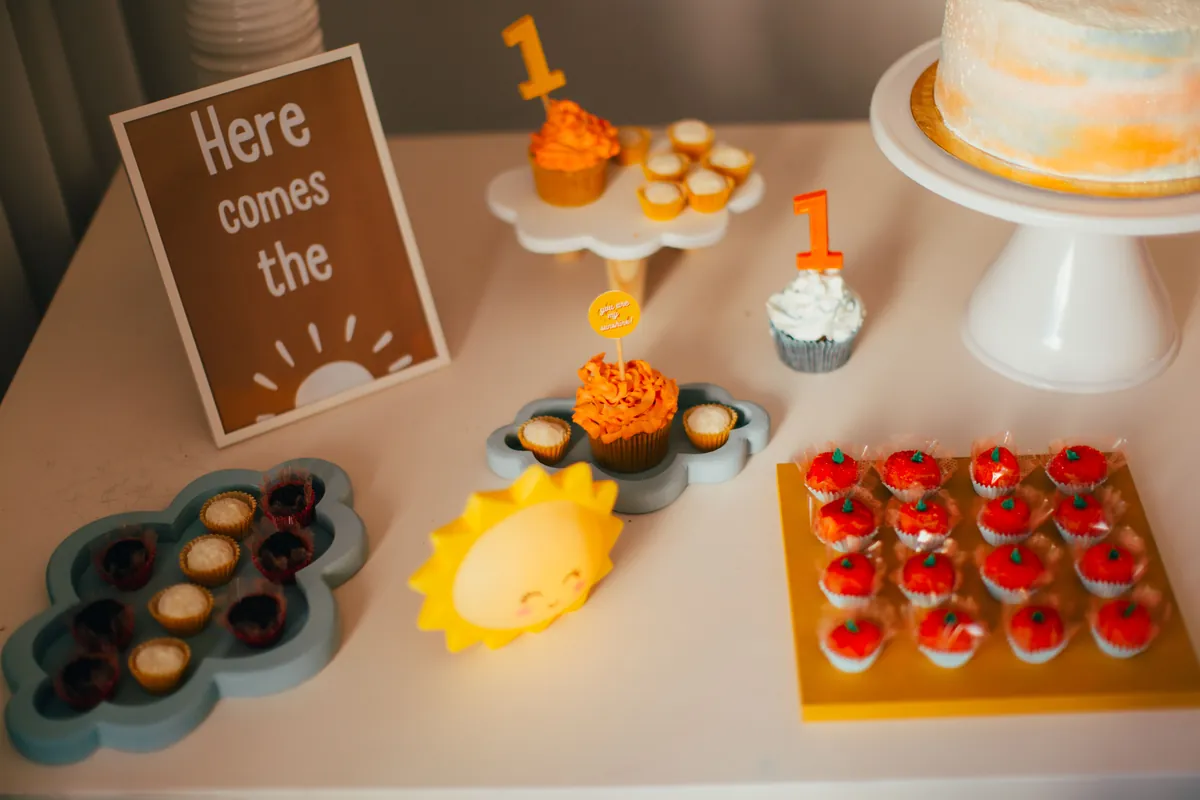
Do not underestimate this one. Candles, singing and everyone sitting down is genuinely the peak of a toddler party. Put it about two thirds of the way through.
If you are weighing up a venue, our notes on what to bring to an indoor play space apply to parties too.
Food that suits toddlers and parties
Keep it finger food, keep it recognisable, and put it out at a set time rather than grazing all the way through.
| Works well | Why | Avoid |
|---|---|---|
| Sandwich fingers, cut small | Familiar, no cutlery, easy to hold | Anything needing a knife |
| Soft fruit pieces | Hydrating, and a break from the sugar | Whole grapes and cherry tomatoes — halve them lengthways |
| Cheese cubes | Protein that survives a party table | Anything that melts in a warm room |
| Cucumber and pepper sticks | Crunch without hard chunks | Whole raw carrot rounds |
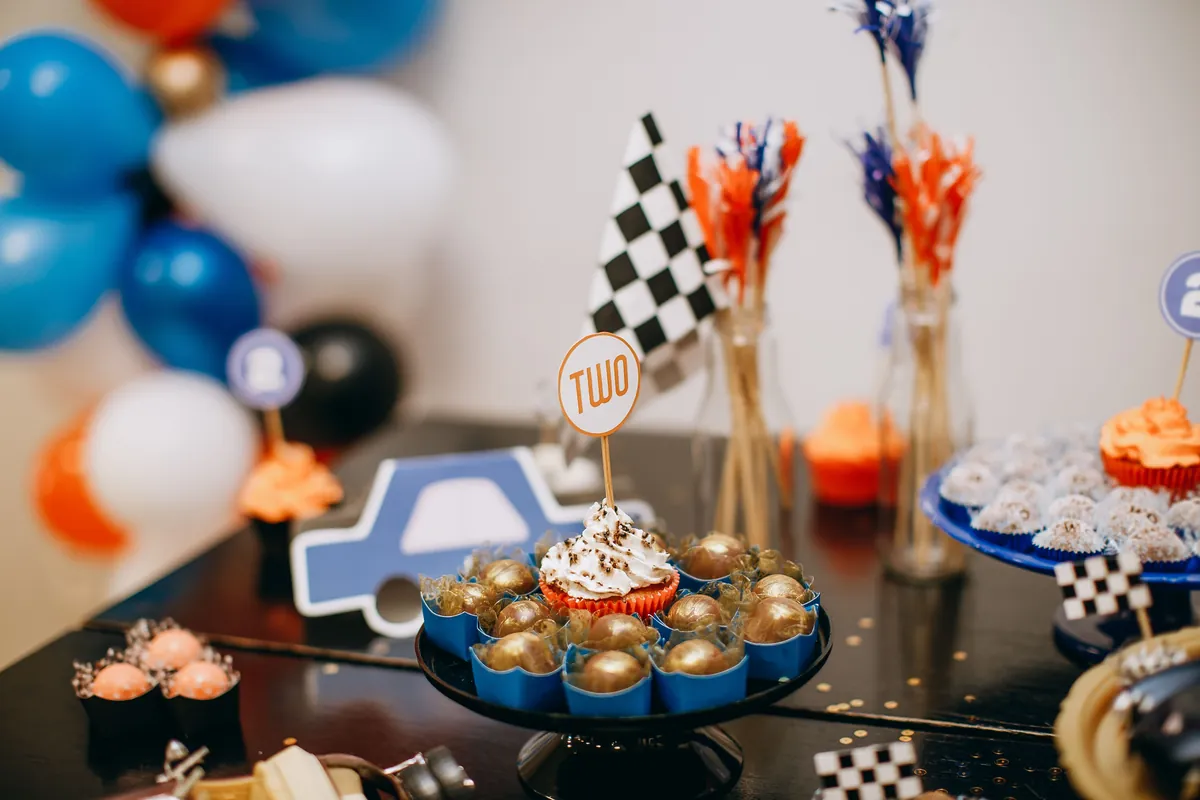
| Cupcakes | Portioned, no cutting, easy to hand out | Large layer cakes that need serving |
| Water and milk | Fewer spills, fewer sugar spikes | Open cups of juice near a play area |
If you are catering yourself and serving anything hot, follow standard food safety practice on holding and serving temperatures — the Partnership for Food Safety Education sets out the basics. Always ask about allergies on the invitation and label anything containing nuts.
If you are leaning towards a venue, our guide to choosing a birthday party venue covers the questions worth asking first.
Home or venue?
At home
- Cheapest option
- Familiar space for a nervous child
- You control the timings entirely
- Easy to keep the guest list small
At a venue
- Setup and cleanup are largely handled
- Play space is already child-proofed
- Food can usually be part of the booking
- Fixed slot keeps the party from overrunning
For a first or second birthday with a handful of guests, home is usually fine. From about three, when guest lists grow and the weather cannot be relied on, a venue starts to earn its cost — mostly by removing the clean-up and giving children somewhere to run.
A simple ninety-minute plan
- 0:00–0:15 — Arrivals and free play
- 0:15–0:35 — One structured activity (parachute, bubbles, stickers)
- 0:35–1:00 — Food, everyone seated
- 1:00–1:15 — Cake and singing
- 1:15–1:30 — Free play, then favours at the door
If you want a fuller breakdown by age, we have a separate guide on how long a kids birthday party should last.
Things that make a difference
- Invite fewer children than you think. Toddler parties get loud fast.
- Ask parents to stay. At this age it is expected, and it doubles your supervision.
- Skip the goody bag arms race. A book or a single item is plenty.
- Have a quiet corner. At least one child will need to step out of the noise.
- Take photos early. Before the outfit and the mood deteriorate.
Themes that are easy to pull off
A theme is genuinely optional at this age — a two-year-old does not know or mind. If you want one, choose something with easy, cheap components rather than a licensed character with a matching product range.
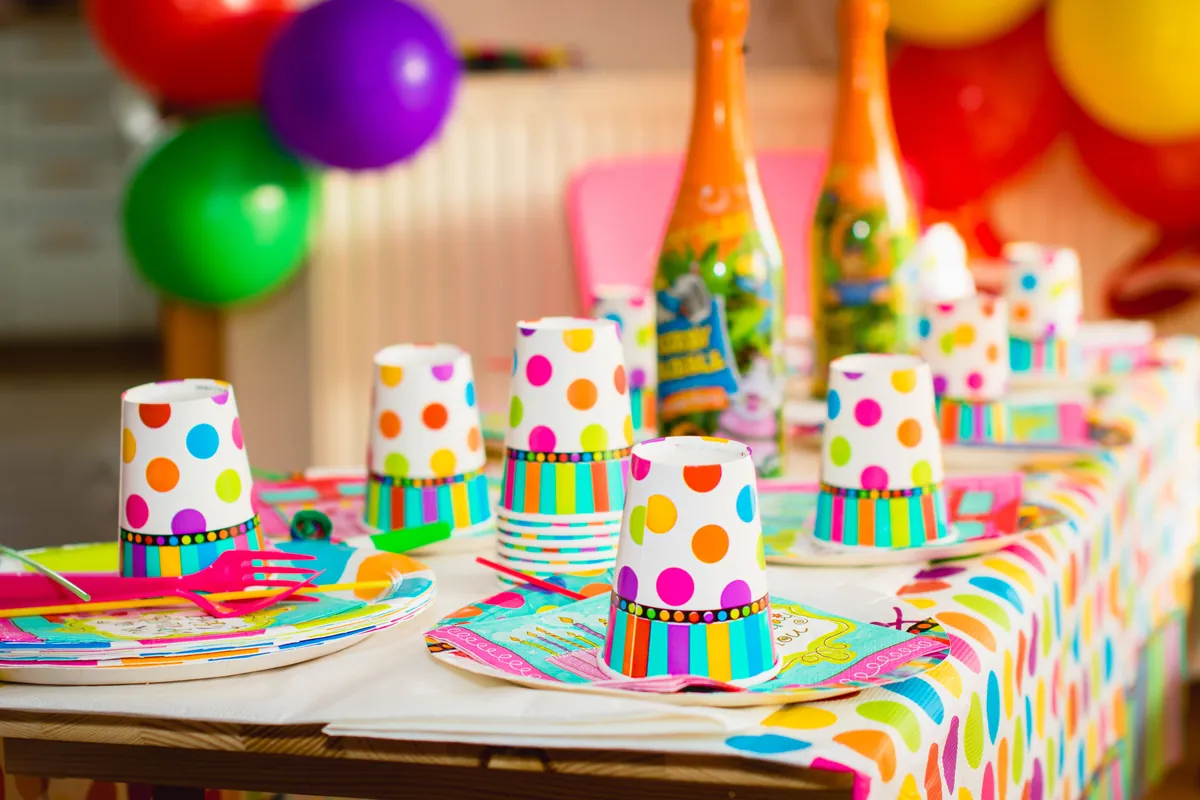
- One colour. Pick a colour, buy plain plates and balloons in it, done. It photographs well and costs almost nothing.
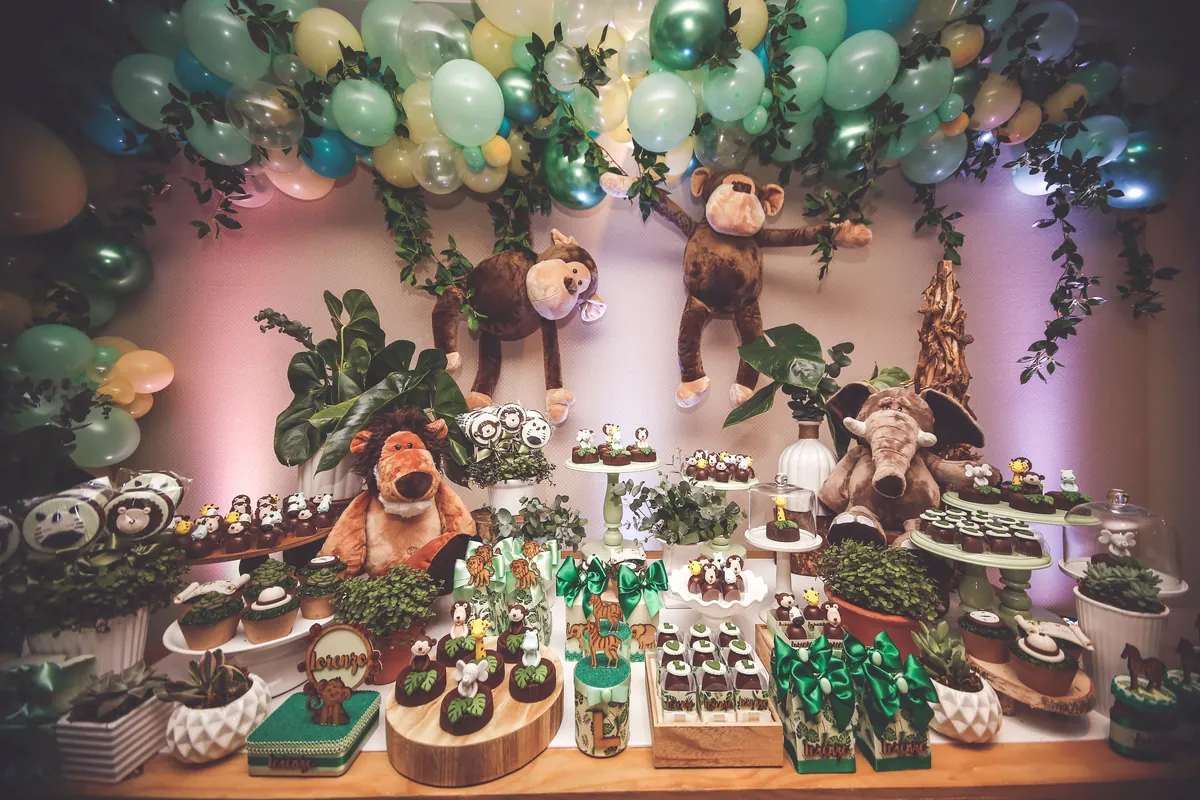
- Animals. Toy animals from the toy box become the table decoration.
- Under the sea or space. Blue or black paper, a few cut-out shapes, and the cake carries the rest.
- Their current obsession. Diggers, buses, one specific book. The most reliable option, because the birthday child actually cares.
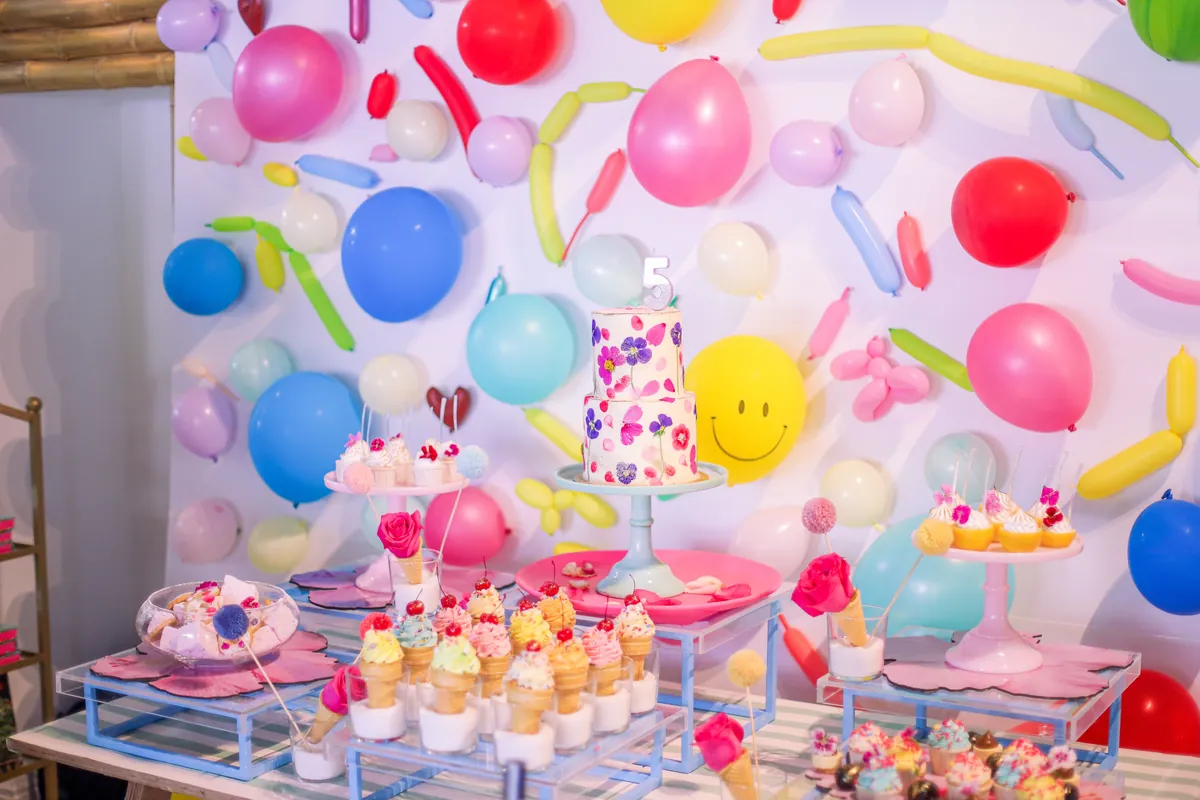
Whatever you choose, put the effort into the cake and one backdrop wall. Those are the two things that appear in every photograph, and everything else is largely invisible by the end.
Our guide to party bags and favours covers whether to bother at all.
Favours and thank yous
Small is fine and increasingly the norm. A book, a packet of seeds, a single wooden toy, or a bag of the same cupcakes you served all work. Handing them out at the door doubles as a signal that the party is finished.
What to do the day before
Day-before checklist
- Confirm final numbers with your venue or count the RSVPs
- Charge the camera or clear space on your phone
- Set aside candles, matches and a cake knife in one bag
- Prepare or collect the cake
- Bag up favours so they are ready to hand out
- Lay out the birthday child’s clothes and a spare set
- Check the forecast if anyone is travelling
The single most useful piece of preparation is the cake bag. Turning up to a venue without a knife or a lighter is the most common small disaster at children’s parties, and it is entirely preventable.
Frequently asked questions
How many children should I invite to a toddler party?
Small is better. Many parents use the child’s age as a guide — three guests for a third birthday. Larger groups work at a venue with proper play space, but at home a handful is plenty.
Do toddlers need party games?
Not really. Free play with other children is the main event for under-threes. One simple activity such as bubbles or a parachute is enough; competitive games rarely land before about age four.
Should parents stay at a toddler party?
Yes, and most expect to. For under-fours it is standard for the accompanying adult to stay, which also gives you far more hands if things get busy.
What food is safest for a toddler party?
Soft finger foods served seated. Halve grapes and cherry tomatoes lengthways, avoid hard round foods, and ask about allergies in advance.
In short
Toddler parties do not need a concept. They need somewhere to play, a small guest list, food that can be eaten with hands, and a cake at the right moment. Plan the timings carefully and let the rest be simple.
Party space in Milwaukie
Two Sisters Play Cafe hosts toddler and preschool birthday parties in its playroom, with an onsite facilitator and the cafe kitchen on hand.