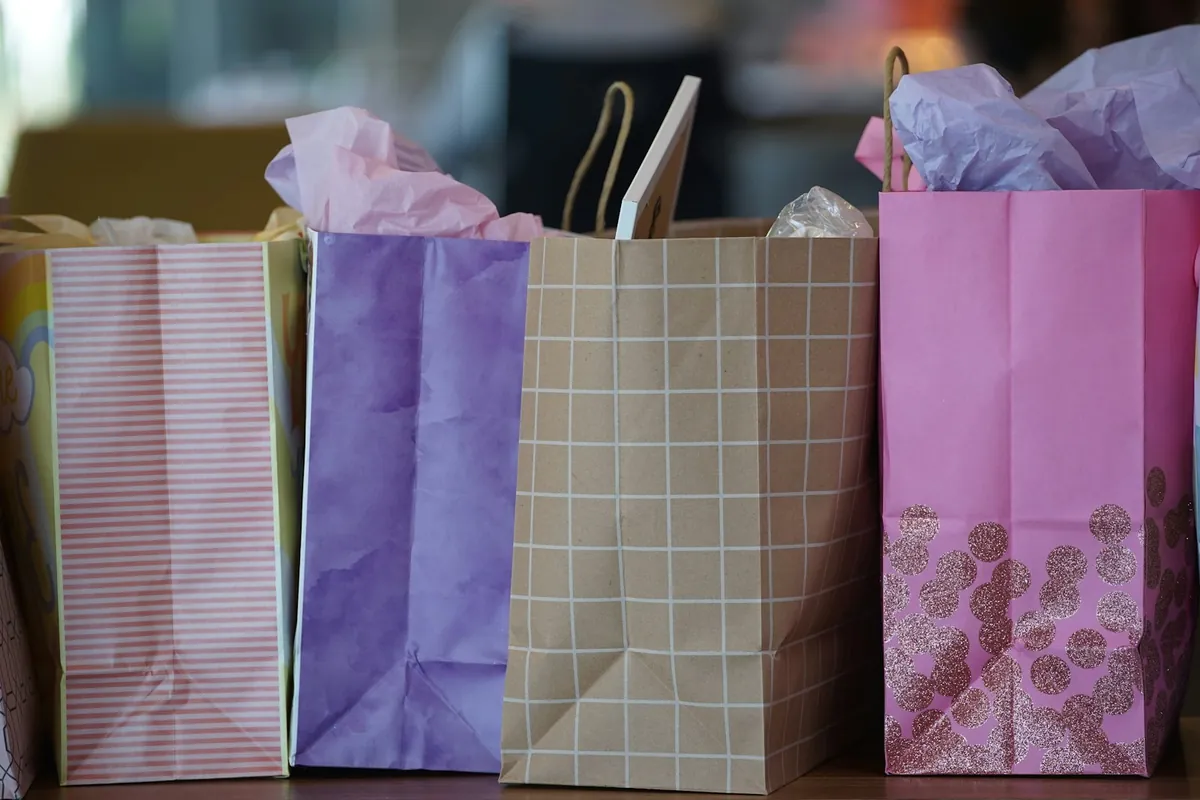
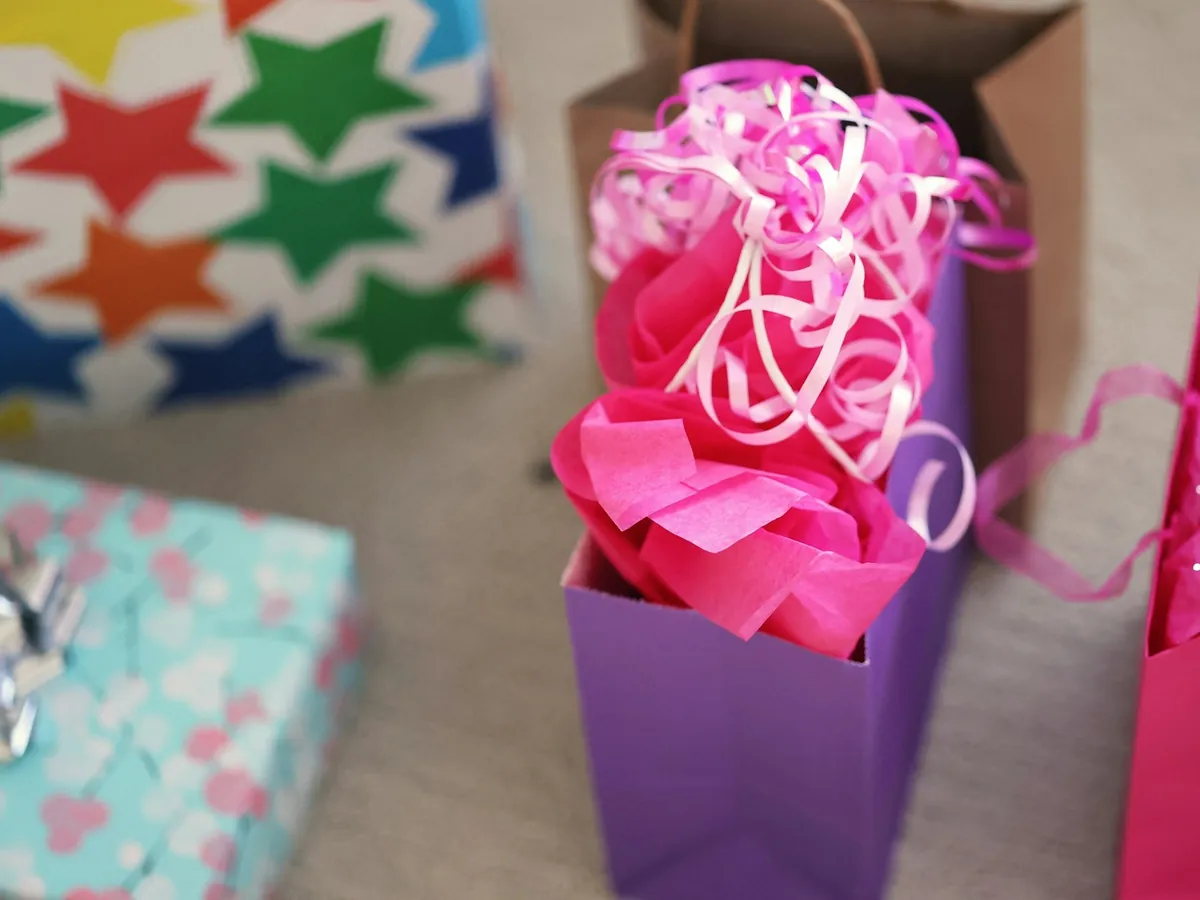
There is a particular moment, usually at about ten at night, three days before a party, when a parent finds themselves filling twelve small paper bags with items they have already decided are rubbish, to give to children who will lose them by Tuesday.
It is one of the few parenting conventions that almost nobody defends and almost everybody follows. It is worth asking what it is actually for.
Are they expected?
Less than you think, and less than they were.
Among parents of under-fives, the reaction to a party bag is usually mild resignation rather than pleasure. The plastic ends up in a drawer, the sweets cause an argument in the car, and the whole thing is quietly binned within a fortnight. Nobody says any of this at the door, which is why the convention survives.
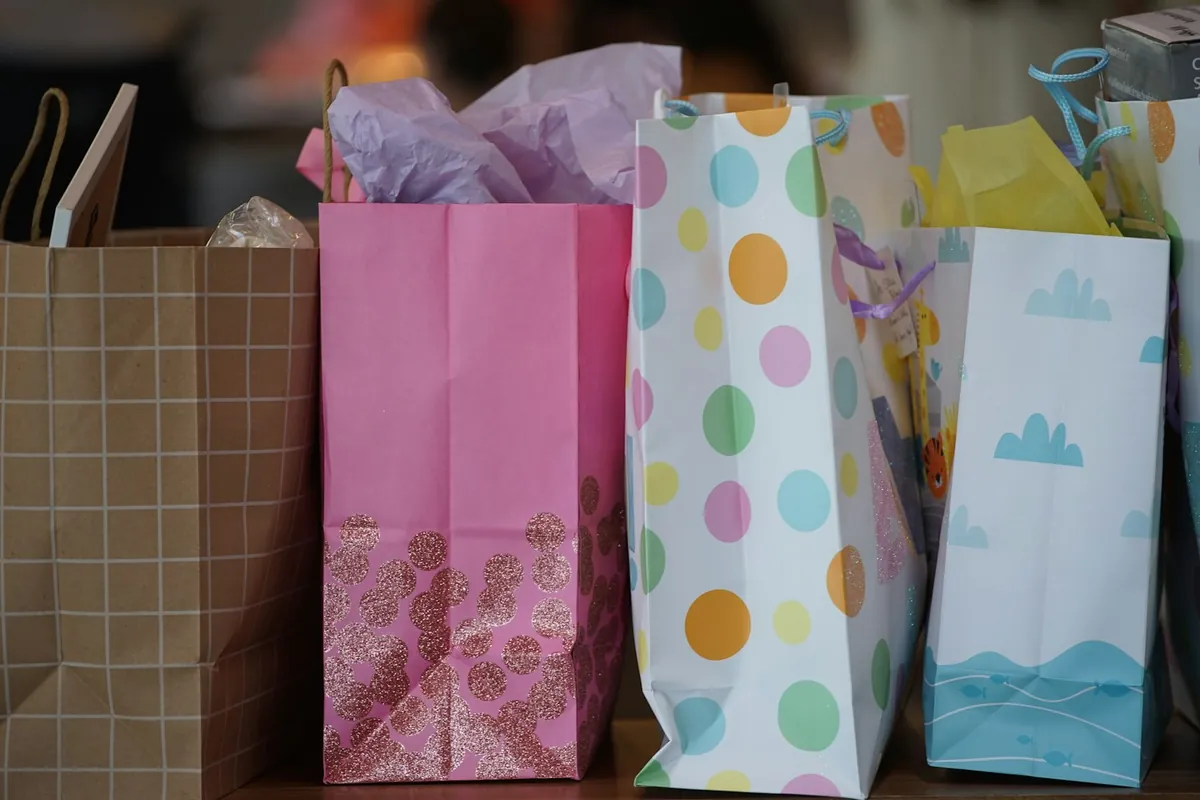
What is genuinely expected is smaller: that a child leaves feeling the party ended properly. A bag is one way to signal that. It is not the only one, and at the youngest ages it is not even a particularly good one.
Under three, skip them entirely
A two-year-old has no expectation of a party bag, does not know other parties have them, and will be equally happy with a balloon or nothing at all.
At this age the bag exists purely for the adults, and specifically for the anxiety that not providing one looks careless. It does not. If you want a gesture, hand out something at the door as people leave — a piece of fruit, a balloon, one biscuit — and consider the convention satisfied.
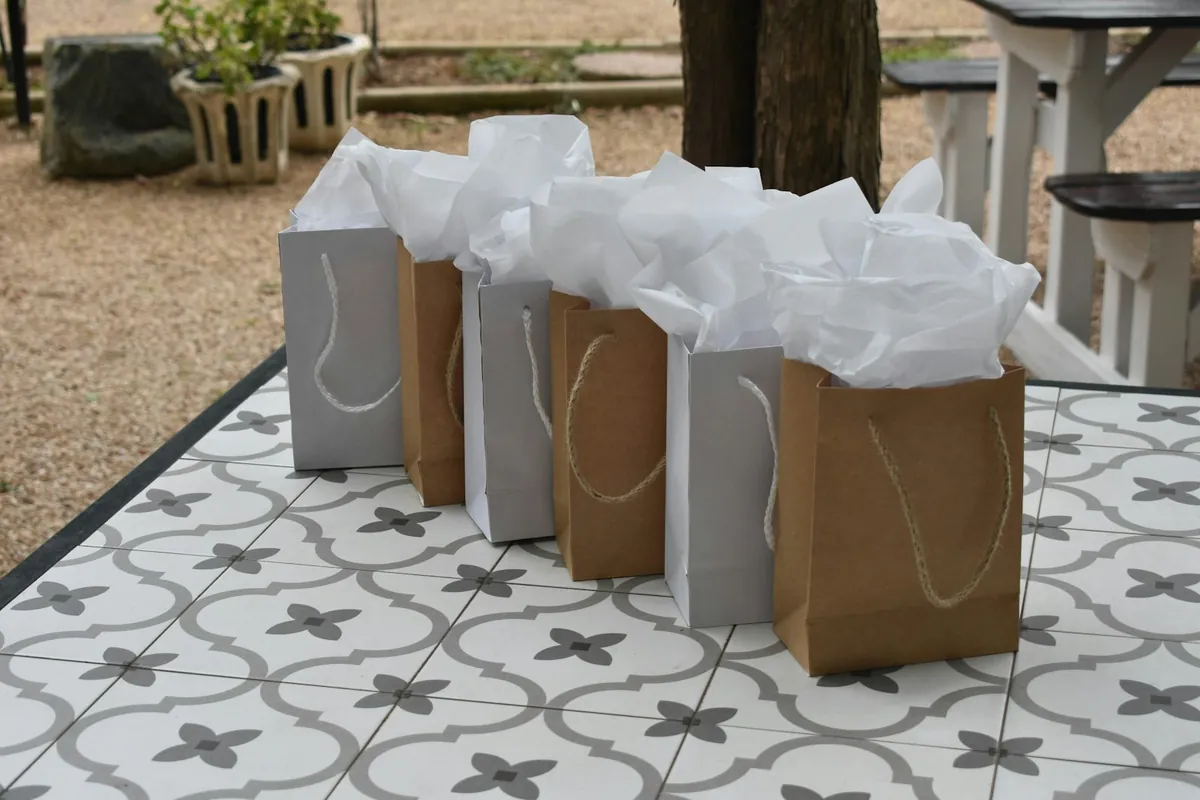
What actually survives the journey home
If you do want to send something, it is worth knowing what has a life beyond the car.
| Option | Survives? | Notes |
|---|---|---|
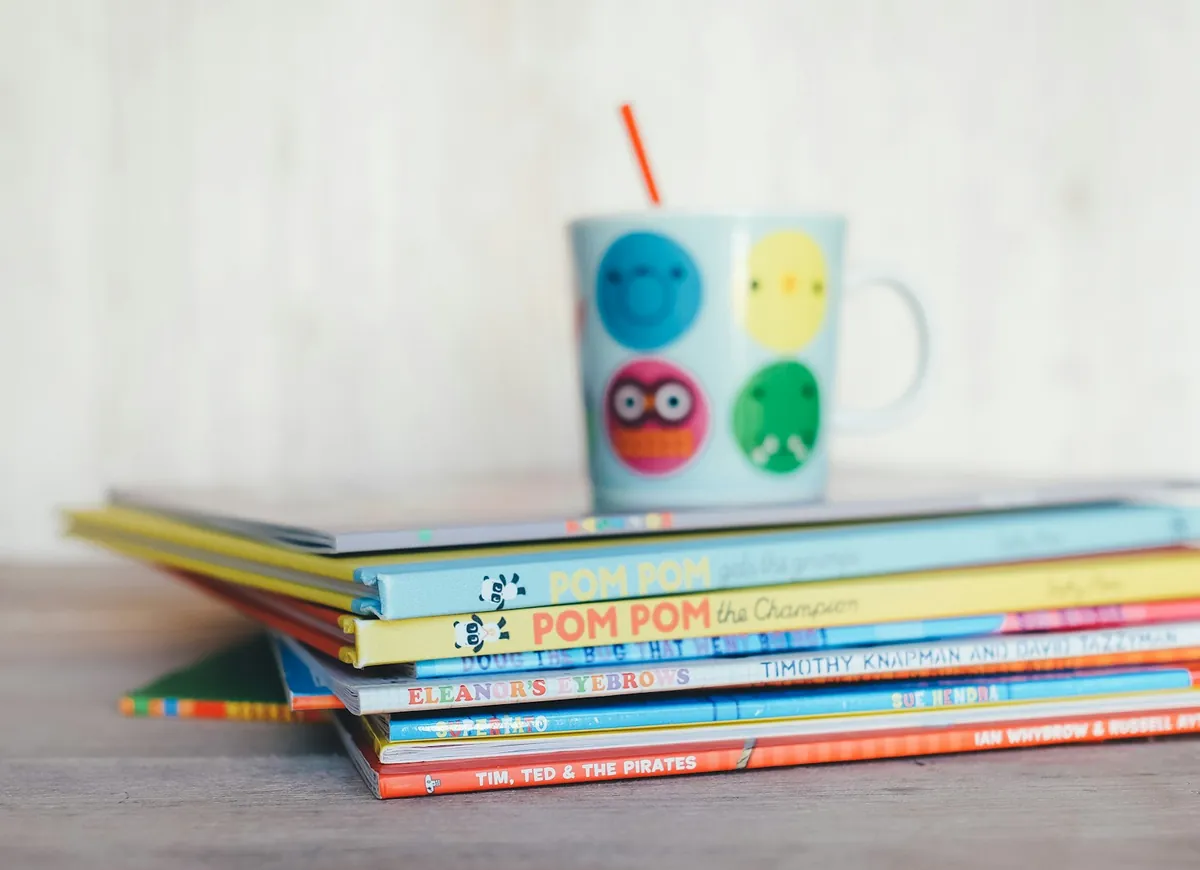
| A book | Yes, for years | Bought in a set, works out cheap |
| Something made at the party | Yes | Doubles as the activity |
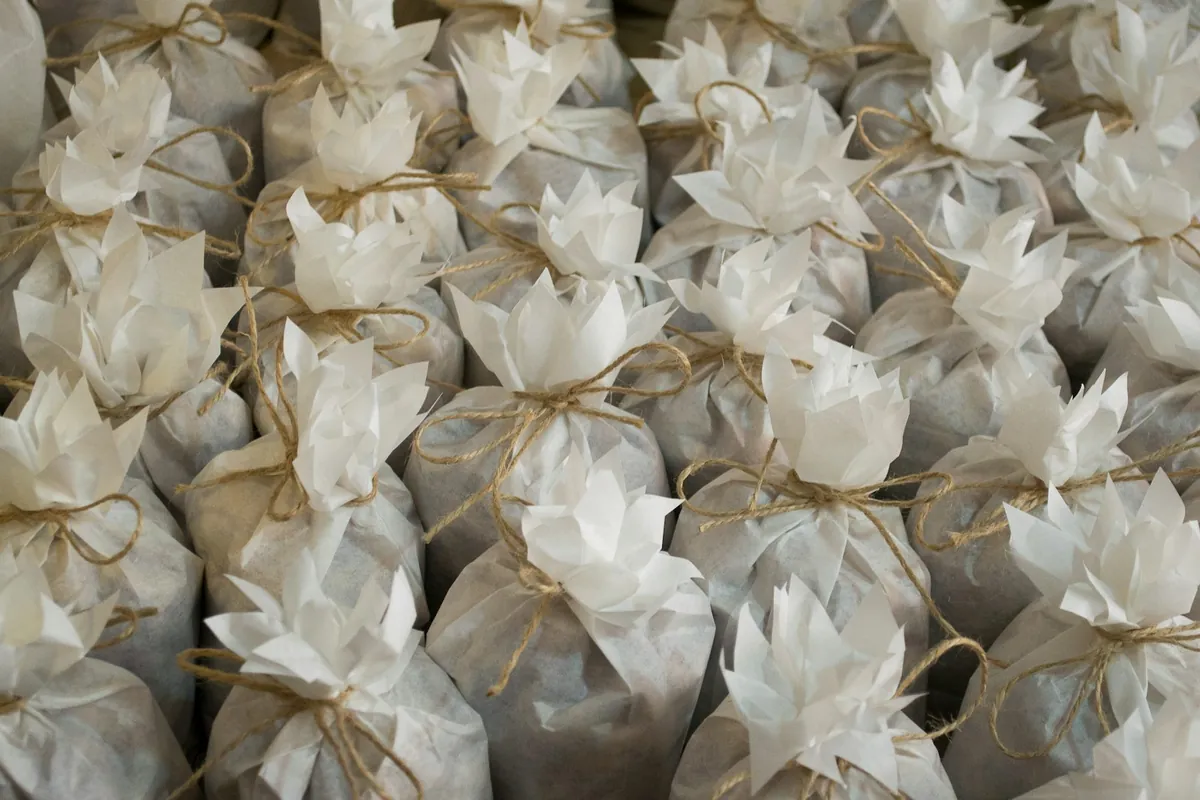
| A decorated biscuit | Eaten happily | No clutter, no argument |
| A seed packet or seedling | Often | Needs a parent to engage |
| Small plastic toys | Rarely | The default, and the least valued |
| A bag of sweets | Immediately | Check the invitation replies first |
The pattern is clear enough: one thing that is actually wanted beats six things that are not, and it frequently costs the same or less. The EPA’s guidance on reducing waste makes the wider version of the same point, and a party bag is a fairly pure example of buying something in order to throw it away.
The make-it-at-the-party approach
The neatest solution folds the favour into the party itself. Decorating a biscuit, painting a small plant pot, making a crown, filling a jar — the activity fills twenty minutes of the party and produces the thing they take home.
Two things make this work. It has to be genuinely simple, because a craft that needs adult hands for every child does not scale past about four. And it has to be finished before the end, so nobody leaves holding something wet.
For toddlers specifically, keep expectations low: at two and three the decorating is the point and the object is incidental. Our guide to indoor birthday party ideas for toddlers covers activities that work at that age.

If you are skipping them, say so
The one thing that causes awkwardness is silence. A parent expecting a bag and not getting one notices; a parent told in advance does not think about it at all.
A line on the invitation does the whole job. “We are not doing party bags this time” or “there will be a cookie to take home instead” removes the question. Nobody has ever been offended by this, and several parents will privately be relieved.
The same applies if you are asking people not to bring presents. Our guide to invitations and guest lists covers how to word that so it is actually followed.
Sweets, allergies and the car journey
If anything edible is going in, two things are worth thinking about before you buy it.
The first is allergies. You asked on the invitation, and the party bag is exactly where that information gets forgotten, because it is packed days earlier by someone thinking about numbers rather than names. Either keep the edible element identical and clearly labelled, or hand anything with nuts in it to the parent directly rather than putting it in a bag a child will open unsupervised.
The second is timing. A bag of sweets handed over at the door is opened in the car, roughly four minutes later, at the end of an afternoon that already involved cake. Plenty of parents would rather it were one biscuit than a handful of small things, and nobody has ever complained about receiving less sugar.
Keeping the cost sane
Party bags are one of the easiest places for a budget to leak, because the cost is per child and the per-child figure looks small right up until you multiply it.
The useful discipline is to decide the total first and divide, rather than picking items and adding up. Buying one thing in bulk — a set of books, a box of the same craft kit — is almost always cheaper than assembling a mixture, and it removes the comparison problem where one child notices somebody else’s bag has more in it.
And if the budget is tight, this is the first line to cut. It has less effect on whether the party works than almost anything else you could spend the same money on. Our full party planning guide covers where that money goes further.
It is worth naming the pressure honestly, because it is real. Nobody sends children home empty-handed out of meanness; they do it because the alternative feels like being judged. But the parent who notices is far rarer than the anxiety suggests, and among parents of under-fives the more common private reaction to a bag of small plastic items is a small, tired sigh.
For the birthday child rather than the guests, a gift card is another option worth knowing about.
The short version
Under three, do not bother. Over three, one decent thing rather than a bag of small ones. Either way, say what you are doing on the invitation so nobody is left guessing.
If you are planning a party with us, our birthday parties page explains what is included, and it is worth asking what is already covered before you buy anything extra.
Frequently asked questions
Do you have to give party bags?
No. What is expected is that a child leaves feeling the party ended properly, and a bag is only one way to signal that. Under three it is not expected at all.
What is a good alternative to a party bag?
One thing that is actually wanted rather than six that are not: a book bought as part of a set, something made during the party, or a decorated biscuit. These often cost the same or less.
What should go in a party bag for toddlers?
Very little. At two and three a balloon or a piece of fruit handed over at the door does the job. The bag at that age exists for the adults rather than the children.
Should I tell guests I am not doing party bags?
Yes, on the invitation. One line removes the question entirely, and several parents will quietly be relieved. Silence is the only thing that causes awkwardness.
How do I keep party bag costs down?
Decide the total first and divide by the guest count, rather than picking items and adding up. Buying one thing in bulk beats assembling a mixture, and it avoids children comparing bags.