
Planning a party for a child under eight comes down to five decisions, made in order: when, where, how many, what they eat, and what they do. Get those right and the rest is decoration.
The short plan: start four to six weeks out, keep the guest list close to the child’s age, book a mid-morning slot, plan for two hours, serve finger food, and build the day around free play with one structured activity. Ask about allergies on the invitation.
A working timeline
| When | Do this |
|---|---|
| 6 weeks before | Pick the date and time. Book the venue if you are using one — weekend slots go first |
| 4 weeks before | Agree the guest list. Send invitations with a start and finish time |
| 3 weeks before | Order or plan the cake. Decide on one activity |
| 2 weeks before | Chase RSVPs. Collect allergy information |
| 1 week before | Confirm numbers with the venue or caterer. Buy decorations and favours |
| 2 days before | Shop for food. Charge the camera |
| Day before | Bag up favours. Put candles, a lighter and a cake knife in one bag |
| On the day | Arrive early, set up, and hand the greeting job to someone else |
If two children are sharing the day, see our guide to joint birthday parties.
How many children?
The old rule — invite as many children as the birthday child’s age — is stricter than most families manage, but the instinct behind it is right. Small parties are calmer, cheaper and better remembered.
Realistically: four to six guests for a second or third birthday, six to ten for a fourth or fifth, and a whole-class invitation only if the venue can genuinely absorb it. Every additional child adds noise, transitions and about two minutes to every activity.
Remember that under-fives usually come with an adult, so a party of ten children is a party of twenty-plus people. Venue capacity is about bodies, not just children.
Where to hold it
Home is cheapest and most flexible; a venue removes almost all of the work and contains the mess. The switch usually happens around the third or fourth birthday, when guest lists outgrow the living room and the weather cannot be trusted.
If you are going the venue route, we have a full guide to choosing a birthday party venue, including the questions worth asking before you pay a deposit.

Timing the day
Mid-morning is the strongest slot for under-fives: after breakfast, before naps, and at the point when small children have the most patience. Early afternoon works from about five.
Two hours suits most parties, ninety minutes for under-threes. Our separate guide on how long a kids birthday party should last breaks it down by age with a run sheet.
Food
Finger food, served sitting down, at a set time. Not a grazing table that runs all afternoon.
- Familiar things over adventurous things
- Halve grapes and cherry tomatoes lengthways
- Water and milk rather than open cups of juice near the play area
- Cupcakes rather than a cake that needs cutting and serving
- Something for the adults, even if it is only coffee
Allergies
Ask on the invitation, not at the door. Label anything containing nuts, and if a guest has a diagnosed allergy, talk to their parent directly about what is safe rather than guessing. FARE publishes practical resources for families managing food allergies, which are worth a look if this is new to you. If you are using a venue, tell them well in advance rather than on the day.

If your child finds busy rooms hard, see our guide to planning a calmer birthday party.
What they actually do
For under-fives, free play is the party. One structured activity is plenty — bubbles, a parachute, stickers, or a simple craft. Musical games start working from about four.
Our guide to indoor party ideas for toddlers has activities that need almost no setup, which is the right level of ambition for this age group.
The bag you must not forget
- Candles and a lighter or matches
- A cake knife and a serving slice
- Kitchen roll and wipes
- A bin bag
- A spare outfit for the birthday child
- The favours, already bagged
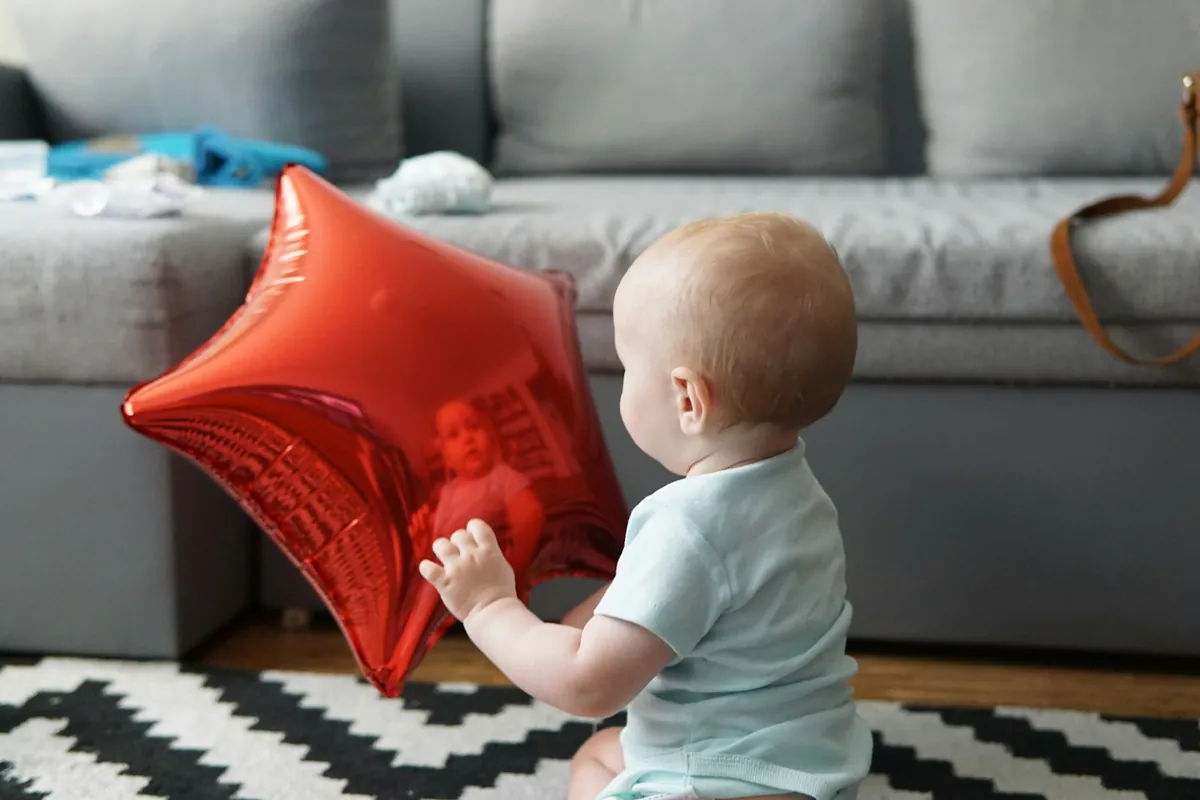
If this is a first birthday, the planning works differently again — see our guide to planning a first birthday party.
Budget, roughly
Costs vary enormously by venue and region, so rather than quote figures, the useful thing is where the money tends to go: venue hire, food, and cake account for most of it. Decorations and favours are where people overspend for the least return, because almost nobody remembers them.
If you are economising, cut the favours and the decorations before you cut the space or the food.
Our fuller guide to invitations and guest lists covers who to invite and how to handle RSVPs.
Invitations that prevent problems
Most party-day confusion traces back to something missing from the invitation. Include all six of these and you will field far fewer messages:
- Start and finish time. The finish time is the one people forget, and the one that keeps the party to length.
- Whether adults should stay. For under-fours, say yes explicitly.
- What food will be served, so parents can plan around it.
- An allergy question, with a way to reply privately.
- The exact address and parking notes, particularly for a venue.
- An RSVP date, about a week before.
On the day: a job for someone else
The single most useful thing you can do is hand off the door. Ask a partner, a friend or a grandparent to greet arrivals, take coats and point people at the room, so you are not managing the entrance while also finding the candles.
Two other jobs worth delegating: someone on photographs, so it is not all on your phone between other tasks, and someone on the cake, so it appears at the right moment without you leaving the room.
On favours specifically, see party bags: worth it, or worth skipping?
Presents, favours and thank yous
- Opening presents at the party works badly under about five — it is long, other children get restless, and the birthday child gets overwhelmed. Most families now open at home.
- Keep a note of who gave what as you go. It is impossible to reconstruct afterwards.
- Favours can be small. A book, a piece of fruit, a single wooden toy. Handing them out at the door doubles as the signal that the party has ended.
- Thank yous can be a photo message. Nobody under five is writing a card.
What usually goes wrong, and what to do
| Problem | Fix |
|---|---|
| Guests arrive late, all at once | Plan free play for the first twenty minutes so nothing is missed |
| The birthday child gets overwhelmed | Take them out of the room for five minutes; it usually resets |
| An activity flops | Abandon it. Free play is always the fallback |
| Too much food left over | Send it home with guests, or plan smaller next time |
| It overruns | Bring out cake, then favours — both are natural endings |
Frequently asked questions
How far in advance should I plan a kids birthday party?
Four to six weeks is comfortable. Book a venue earlier than that if you want a weekend slot, since those fill first.
How many children should I invite?
Four to six for a second or third birthday, six to ten from four upwards. Remember that young guests arrive with an adult, which roughly doubles the head count.
What time of day is best?
Mid-morning for under-fives, early afternoon from around five. Avoid late afternoon with young children.
Do I need a theme?
No. Under-fives do not need one. If you want a theme, one colour or the child’s current obsession is easier and works just as well as a licensed character range.
Should parents stay?
For under-fours, yes, and most will expect to. Say so on the invitation so nobody is unsure.
In short
Book early, invite fewer children than you think, go mid-morning, keep it to two hours, and put a cake knife in the bag. The parties that go well are almost always the simple ones.
Parties in Milwaukie
Two Sisters Play Cafe hosts toddler and preschool birthday parties in its playroom, with an onsite facilitator to help the day run.