Two children with birthdays a few weeks apart, or two families whose children are friends, and the same thought arrives every year: could we not just do one party?
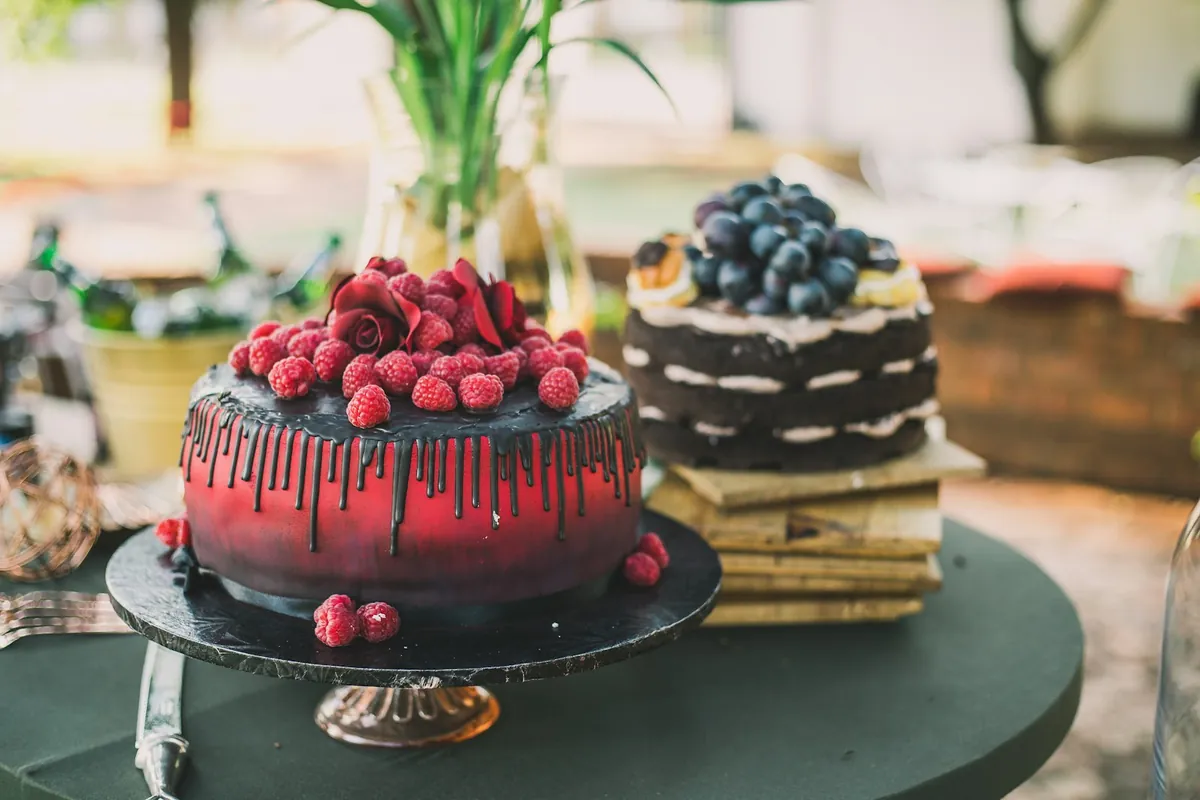
Often yes, and the savings are real — one venue, one cake run, one weekend. The risk is equally real and it is not about logistics. It is that one child spends the afternoon feeling like a guest at somebody else’s party.
When it works well
Joint parties work best when the two children genuinely overlap: similar ages, overlapping friends, and neither of them strongly invested in having a day that is theirs alone.
| Works well when | Struggles when |
|---|---|
| Ages within a year or so | A three-year-old and a six-year-old |
| Friend groups overlap | Two entirely separate sets of guests |
| Both children are keen | One has been talked into it |
| Birthdays close together | Months apart, so one is early or late |
| Under about four | School age, when parties are compared |
| The adults get on | Different budgets or standards |
The age point matters more than any other. Under about four, children do not have a strong sense of the party being *theirs*, and a joint party is genuinely just a party. From five or six, they very much do.

Ask them, and take the answer seriously
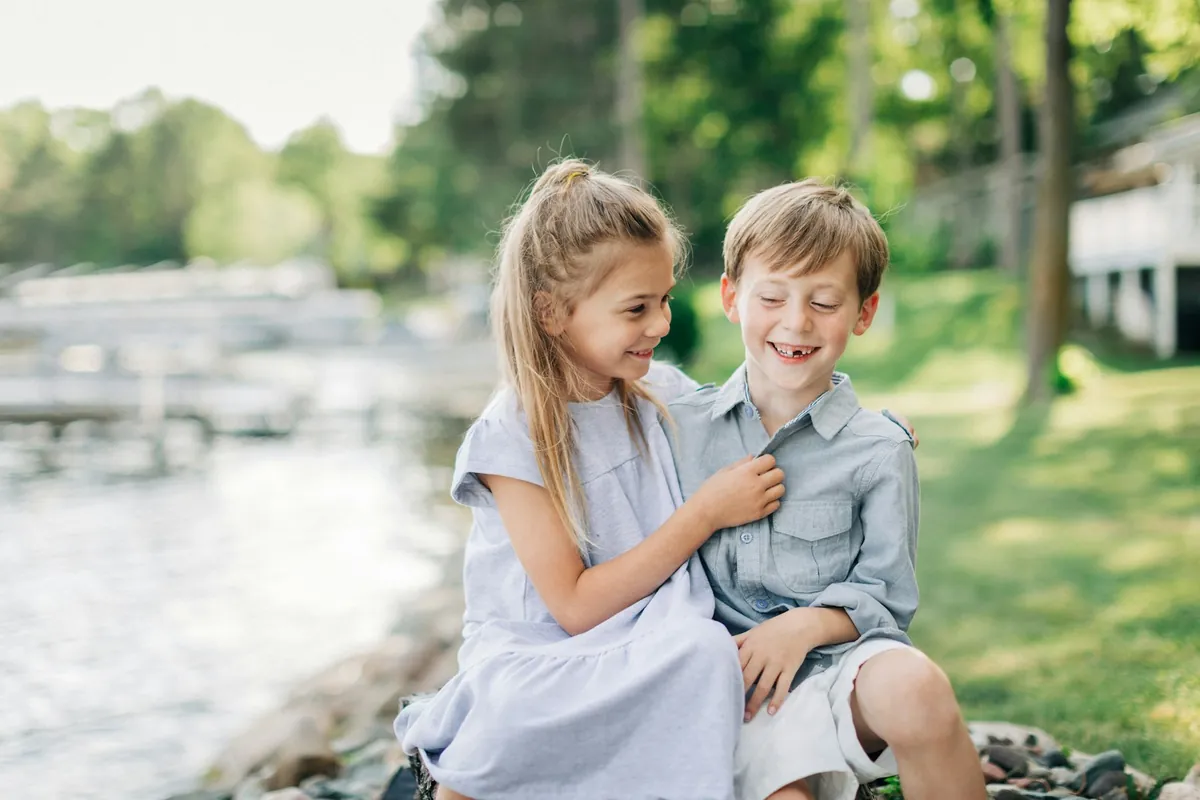
The single most common mistake is presenting the decision as already made. A child asked “we are doing a joint party, that is fine isn’t it?” will usually say yes and mind about it anyway.
Ask properly, separately, and early enough that the answer can change the plan. If one of them clearly wants their own, that is worth respecting even when it is inconvenient — and Utah State Extension’s material on family relationships makes the general point that perceived fairness between siblings tends to matter more than the actual arithmetic of who got what.
If you do go ahead with a reluctant child, give them something that is theirs alone elsewhere: their own outing, their own cake at home, their own day.
What to share and what to double
The economics only work if you share the expensive things. The goodwill only works if you double the personal ones.
Share
- The venue, the room and the time slot. The largest cost by far.
- Food, drinks and the general setup.
- Decorations, in a theme that is not specific to either child.
- Activities, as long as both age groups can join in.
Double
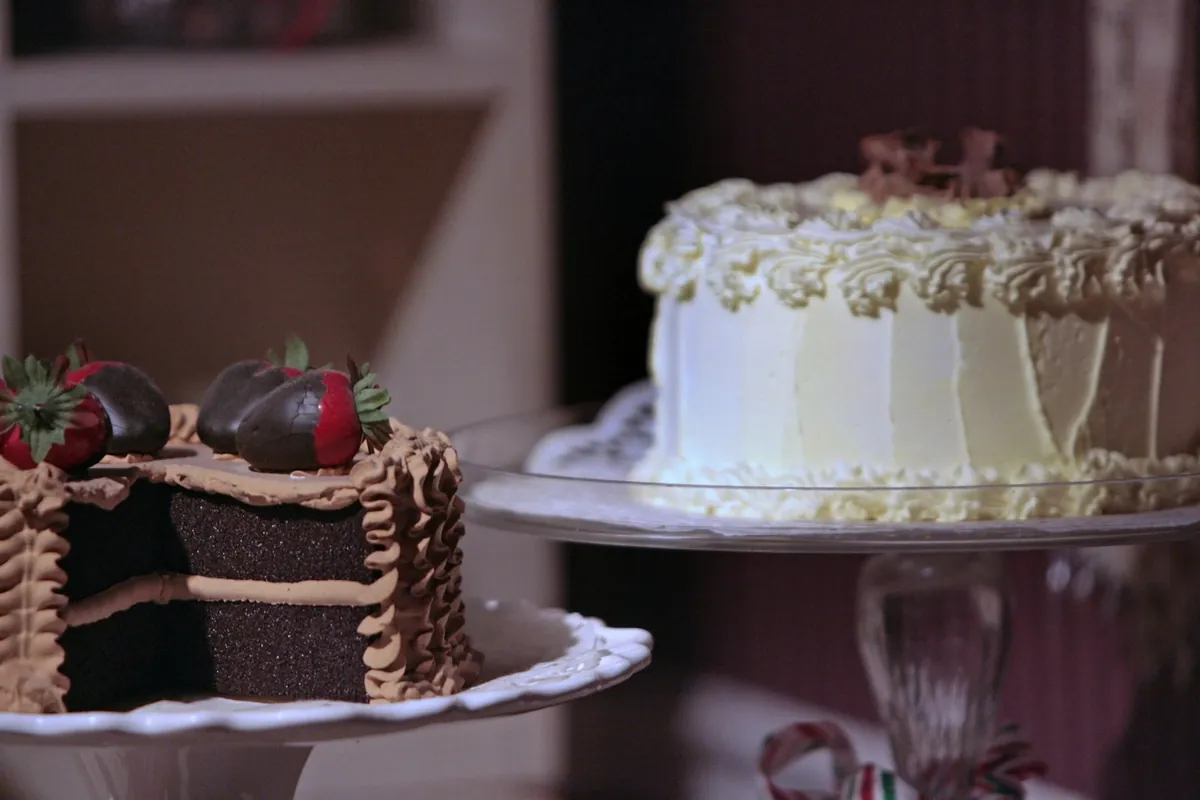
- The cake, or one cake with two halves. This is the moment everybody photographs.
- The singing. Twice, with a name each time, is thirty extra seconds.
- The banner or sign, with both names the same size.
- The invitations, so guests know which child invited them.
The two-cakes point is the one people economise on and regret. A single cake with one name, or one generic cake, is exactly the detail a five-year-old remembers.
Guests, and the number problem
The arithmetic that makes joint parties attractive also makes them large. Two guest lists in one room is a lot of children, and the room that comfortably held one party may not hold two.
Decide the total capacity first and split it, rather than each child inviting their usual number. Half each is the simple version; if one child has more close friends, agree the imbalance openly rather than discovering it on the day.
Separate invitations solve most of the confusion. Our guide to invitations and guest lists covers wording, and it is worth saying on the invitation that it is a joint party so nobody arrives with a present for the wrong child.
Presents are the awkward part
This is the bit that catches people out. A guest invited by one child does not know whether to bring something for both, and will usually feel awkward either way.
Say it on the invitation and be specific: a present for the child who invited you, or nothing at all, or one small thing between them. Any of those is fine; the vagueness is what causes the problem.
Then open them afterwards, at home, separately. Two children opening two piles of presents in front of an audience is the single most reliable way to produce a comparison neither of them needed.
Splitting the attention on the day
Most of the resentment a joint party generates is created in about four minutes of it, and those minutes are predictable.
The cake moment is one, and doubling it solves that. The other is the arrival, when guests come in and greet whichever child they know — which means one child gets welcomed twelve times and the other gets welcomed four. It is nobody’s fault and it is very visible from the inside.
The fix is to have both children greeting together at the door for the first ten minutes, so every arrival meets both of them. It sounds fussy and it removes the single most reliable source of a bad afternoon.
Sharing with another family
A joint party with a friend rather than a sibling has the same rules plus one: agree the money before anything is booked.
Split it in writing, decide who pays the deposit, and be explicit about what happens if the numbers come out uneven. Most awkwardness between families over a shared party is not about the children at all; it is about one household having assumed a different budget.
Agree the guest cap, the venue and the finish time together too, and let one person be the point of contact with the venue. Two parents both ringing about the same booking is how details get changed twice.
When to just do two parties
If either child has said they want their own, if the ages are far apart, if the friend groups do not overlap, or if you are only doing it because it is cheaper and both children can tell — do two.
They can be small. Two modest parties frequently cost less and cause less friction than one large one, and our guide to planning a children’s birthday party covers keeping either of them manageable. Choosing a venue covers what to ask before booking, and our birthday parties page explains what we offer.
Frequently asked questions
Are joint birthday parties a good idea?
They work well when the children are close in age, their friend groups overlap and both are genuinely keen. They struggle when the ages are far apart, the guest lists are separate, or one child has been talked into it.
What age is too old for a joint party?
Under about four, children have little sense of the party being theirs and a joint one is simply a party. From around five or six, that changes and parties start being compared.
Should there be two cakes at a joint party?
Two cakes, or one cake with two clearly separate halves, and the singing done twice with a name each time. This is the moment everyone photographs and it is the detail children remember.
What do guests bring to a joint birthday party?
Whatever you tell them on the invitation. Be specific — a present for the child who invited you, nothing at all, or one small thing between them. The vagueness is what causes the awkwardness.
How do we split the cost with another family?
Agree it in writing before anything is booked, decide who pays the deposit, and say what happens if the numbers come out uneven. Most friction between families over a shared party is about assumed budgets rather than the children.