You walk in, you like the look of the place, and there is no children’s menu. For a lot of parents that is the moment they quietly decide to eat somewhere else.
It should not be. A kitchen with no children’s menu is often a kitchen that cooks properly and will happily plate something simple, and the meal your child ends up with is frequently better than the one they would have had from a laminated card.
Read the menu as components, not dishes
This is the whole technique. Stop looking for a dish your child will eat and start looking for parts.
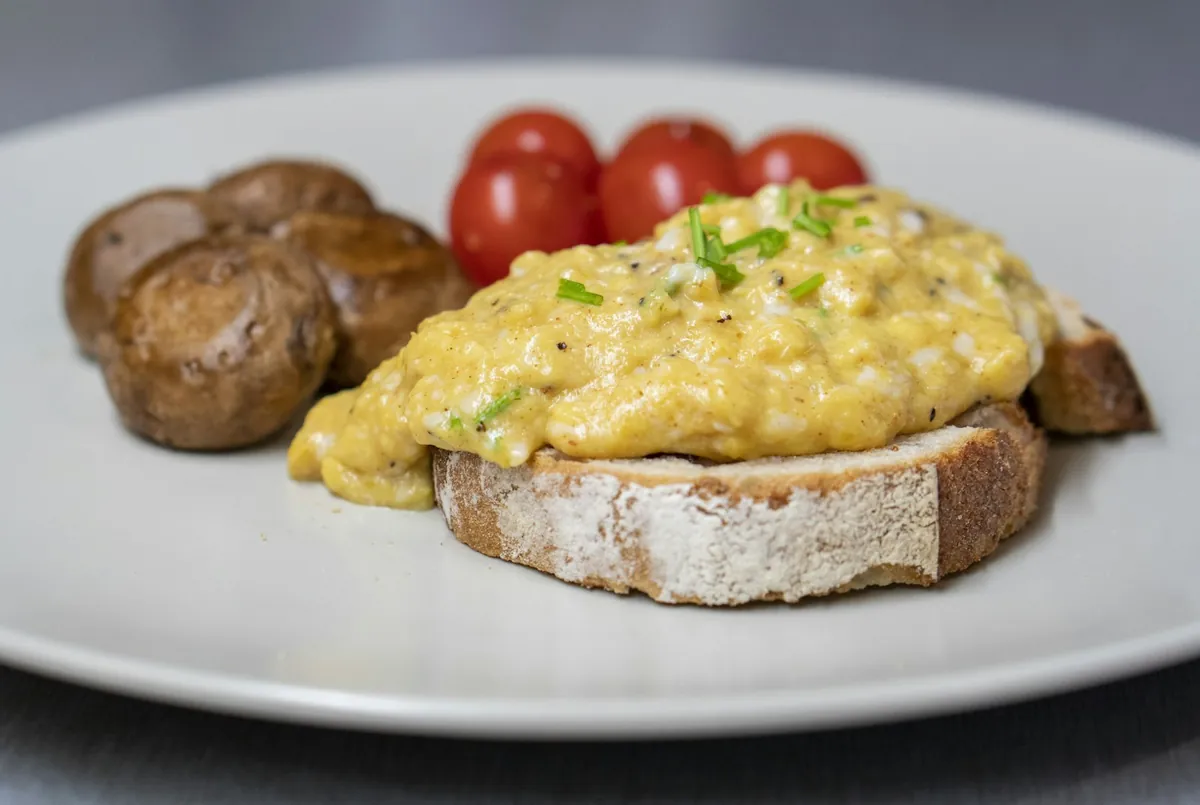
Almost every menu contains bread, eggs, plain cooked vegetables, potatoes in some form, plain pasta or rice, and a protein that can be served without sauce. Assembled onto one plate, that is a toddler meal, and none of it requires the kitchen to do anything unusual.
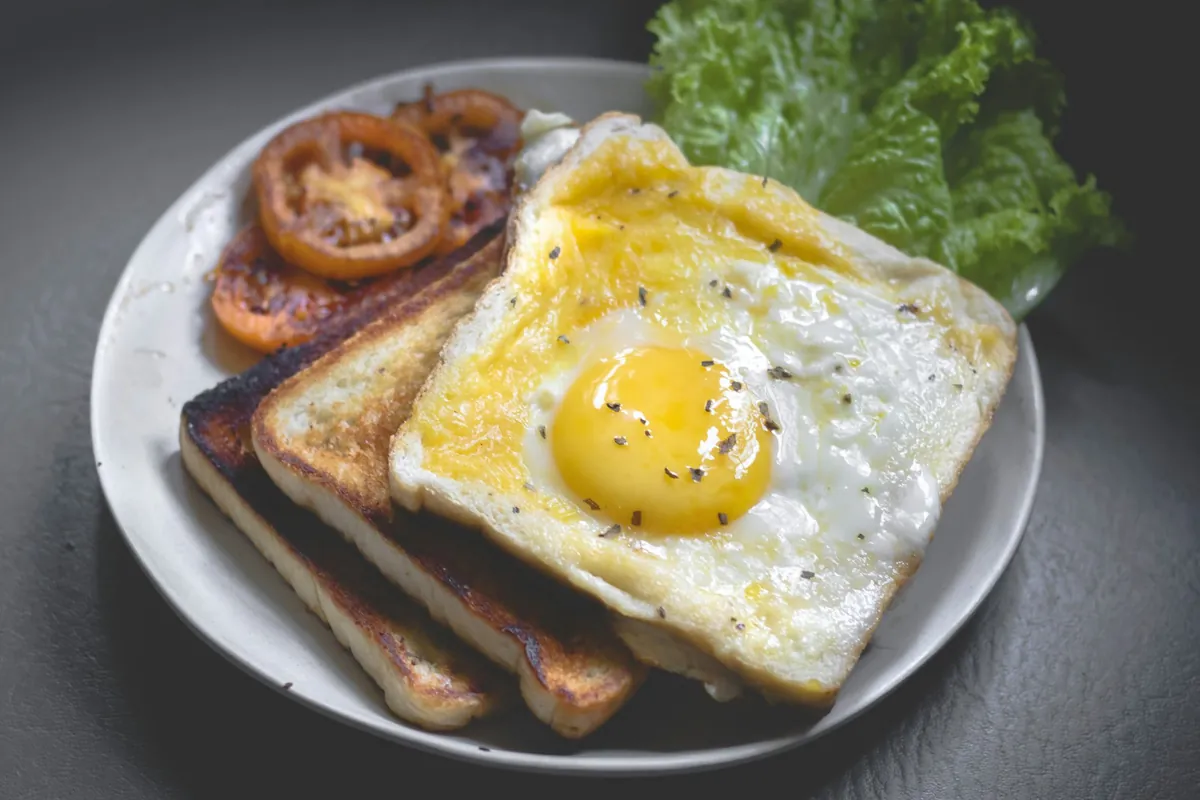
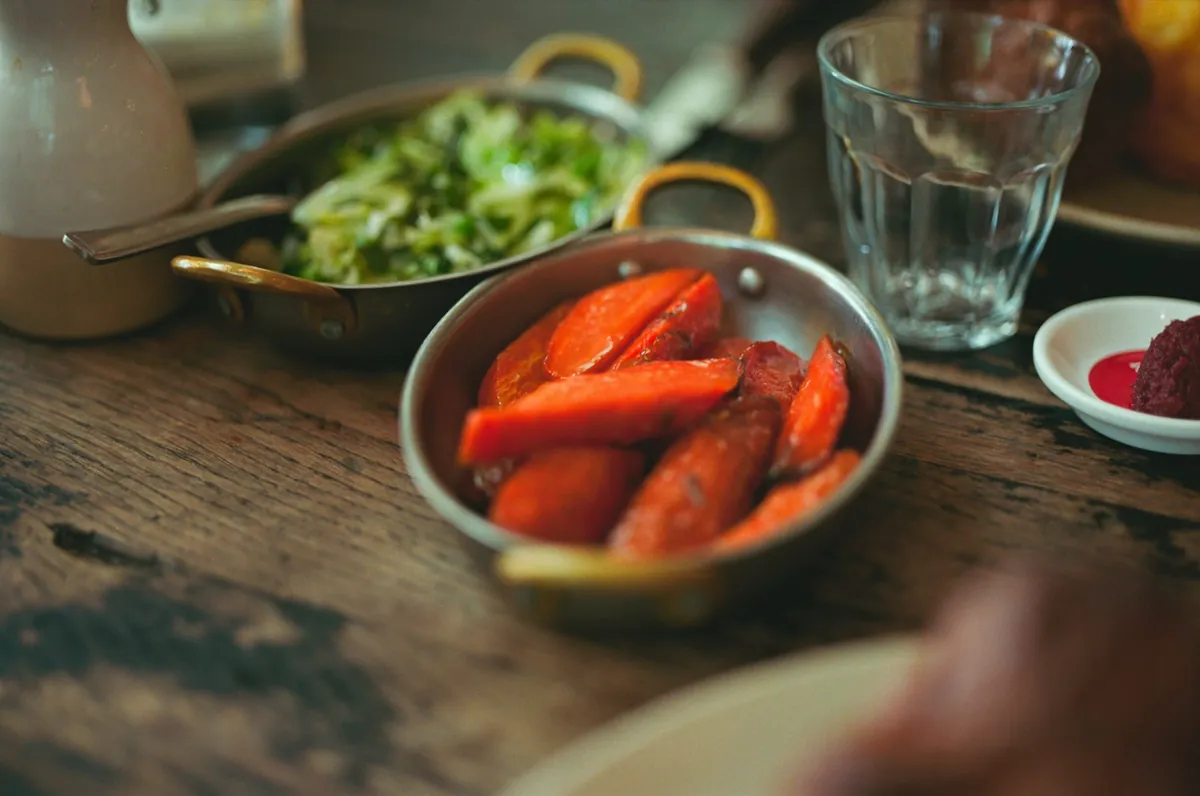
Sides are where most of this lives. The side dishes section is effectively a children’s menu that nobody has labelled, and two or three sides on one plate is a perfectly respectable order that costs less than a main.
What kitchens will usually do
More than people ask for. The reluctance is almost always on the customer’s side.
Reasonable to ask
- A half portion of something on the menu, often for less than full price.
- Sauce, dressing or seasoning left off or served on the side.
- A dish plated plain — no garnish, nothing sprinkled at the pass.
- An extra empty plate to share from your own.
- Something cut up, or the loan of a pair of scissors.
- Their food brought out first, which is the single best request.
The last one changes meals. A toddler who eats while everyone waits is a toddler who is finished and content while the adults eat, rather than one who is bored halfway through yours.
Sharing is usually the right answer
Under about three, ordering a separate meal is often a waste. Portions on adult plates are generous, appetites at that age are unpredictable, and an untouched child’s meal is an expensive disappointment.
Ordering something you both like and splitting it removes the gamble entirely. If they eat nothing, you have lunch; if they eat half, you order a side. It also sidesteps the situation where a child who refused their own food then eats yours anyway, which every parent recognises.
The University of Minnesota Extension’s family nutrition resources make the broader point that variety across a week matters more than any single meal, which is worth holding onto when the whole order comes back untouched.
What tends to work at this age
The reliable orders are boring, and that is the point.
Anything hand-held is easier than anything requiring cutlery. Anything plain beats anything mixed, because a toddler who can see all the components will eat more of them than one presented with a single unidentifiable heap. Warm beats hot, since nobody at that age will wait for something to cool. And familiar beats interesting, on a day out at least — a cafe table is not the place for a first attempt at a new food.
| Usually a safe order | Why it works |
|---|---|
| Toast or bread with something | Hand-held, familiar, always available |
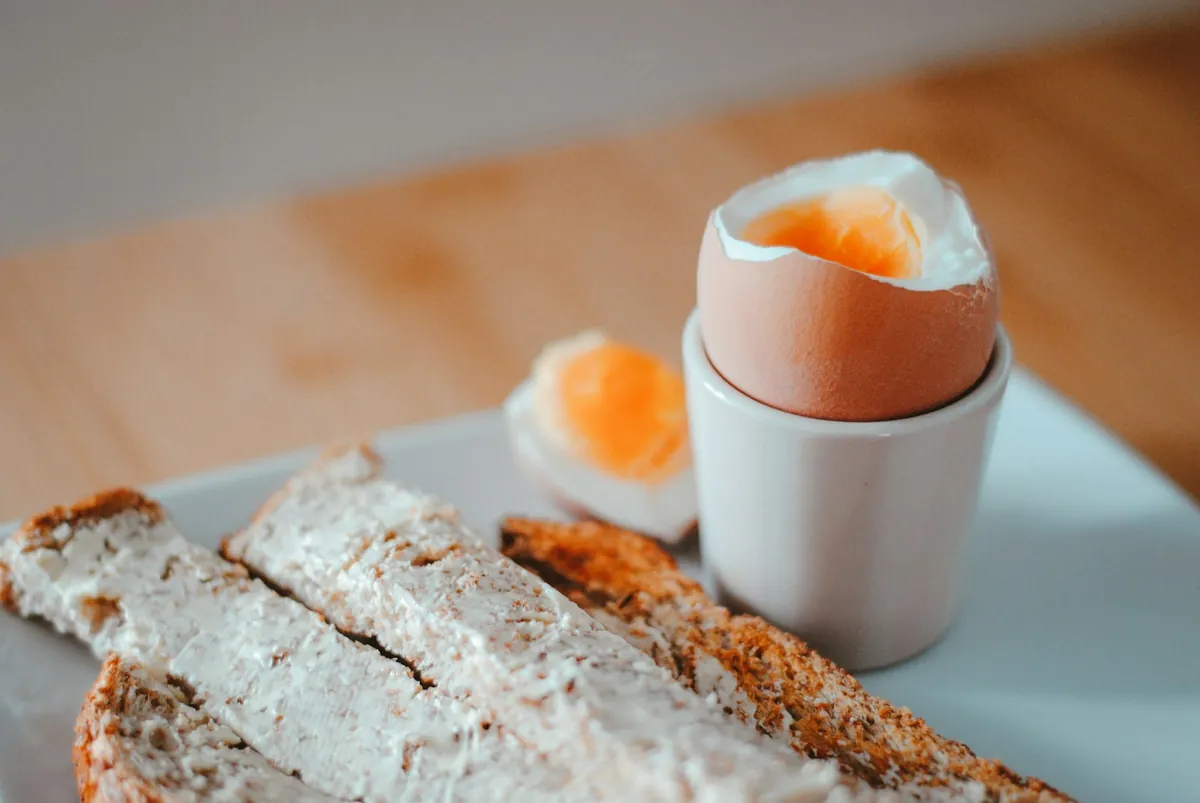
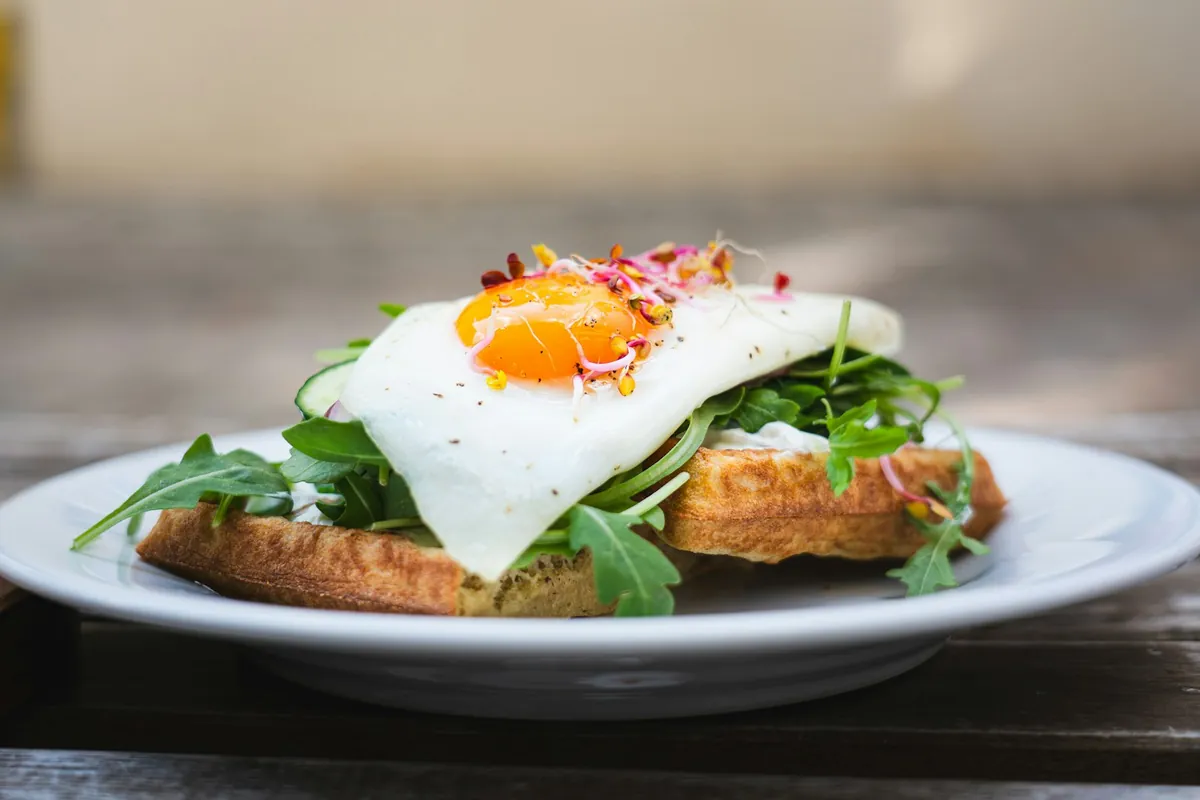
| Eggs, any straightforward way | Fast, soft, plateable plain |
| Plain pasta with a side | Graspable and recognisable |
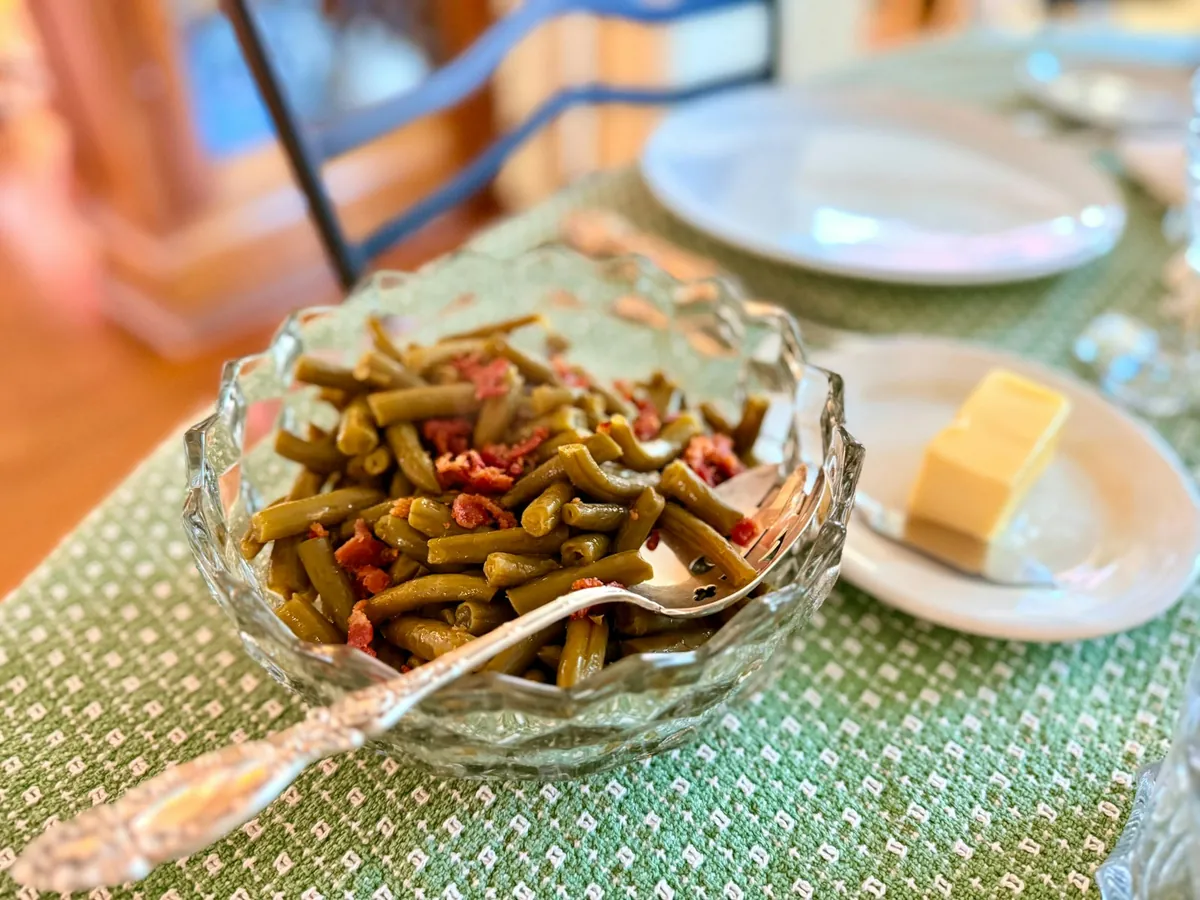
| Two or three side dishes | Cheap, quick, everything visible |
| Soup with bread | Warm and simple — check the salt |
| Half of yours | No gamble, no waste |
Timing the order
When you order matters nearly as much as what, and it is the part people improvise.
Order everything at once, including yours, rather than ordering for the child first and then deliberating. A kitchen that receives one ticket can sequence it; one that receives two orders five minutes apart will send things out in the wrong order and there is nothing anyone can do about it.
Say plainly at the point of ordering how you want it timed. “Could the toast come out as soon as it is ready, and ours whenever?” is a normal request and takes one sentence. Waiting until the food arrives to discover it all came together is too late.
The things worth checking
Two, and both are easy to ask about.
Salt is the main one, particularly in soup, bread, stock-based dishes and anything cured. A kitchen can frequently plate something before it is seasoned if you say so when you order, and after the fact they cannot.
The other is temperature. Adult food arrives hot, and a child who burns their mouth on the first bite is finished with that meal. Ask for it slightly cooler, or plate a portion out early and let it sit while you eat.
Drinks are worth a moment’s thought
The drink is ordered on autopilot and then causes most of the mess, so it is worth thirty seconds of attention.
Water in a cup with a lid, if they have one, or a small glass filled a third of the way rather than to the top. A tall glass on a small table beside a child with an enthusiastic arm is a spill that has already happened; a short glass a third full is a spill that does not matter.
Plenty of cafes will happily decant into a smaller vessel or find a lid if you ask. As with most of this, the request is unremarkable and almost nobody makes it.
Why this is often the better meal
It is worth saying plainly. A dedicated children’s menu is convenient, and it is also frequently the least interesting food in the building — a short list of fried items that exists because it is easy to hold and hard to complain about.
Ordering from the main menu gets your child the same food as everyone else, in a smaller quantity, cooked by someone who cares about it. It also quietly does something useful over time: a child who eats from the ordinary menu from the beginning does not learn that there is a separate category of food that belongs to them.
Our guide to what to look for on a kids menu covers judging one when it does exist, and eating out with toddlers covers the rest of the meal. If you would rather bring something, what to pack has the list, and our menu page shows what we serve.
Frequently asked questions
What do I order for a toddler if there is no kids menu?
Read the menu as components rather than dishes. Bread, eggs, plain vegetables, potatoes, plain pasta or rice and an unsauced protein are on almost every menu, and two or three side dishes on one plate is a perfectly good order.
Will a kitchen make a smaller portion for a child?
Usually, and often for less than full price. It is also reasonable to ask for sauce left off, a dish plated plain, an extra empty plate, or food cut up. Most kitchens are asked far less often than they would agree to.
Is it better to share a meal with a toddler?
Under about three, frequently yes. Adult portions are generous, appetites are unpredictable, and sharing removes the gamble of an untouched child’s meal entirely.
What should I check before ordering for a young child?
Salt, especially in soup, bread and stock-based dishes, and temperature. Both can be handled at the point of ordering and neither can be fixed once the plate arrives.
What is the single most useful thing to ask for?
Their food brought out first. A child who eats while the adults wait is content by the time the rest of the order arrives, rather than bored halfway through it.