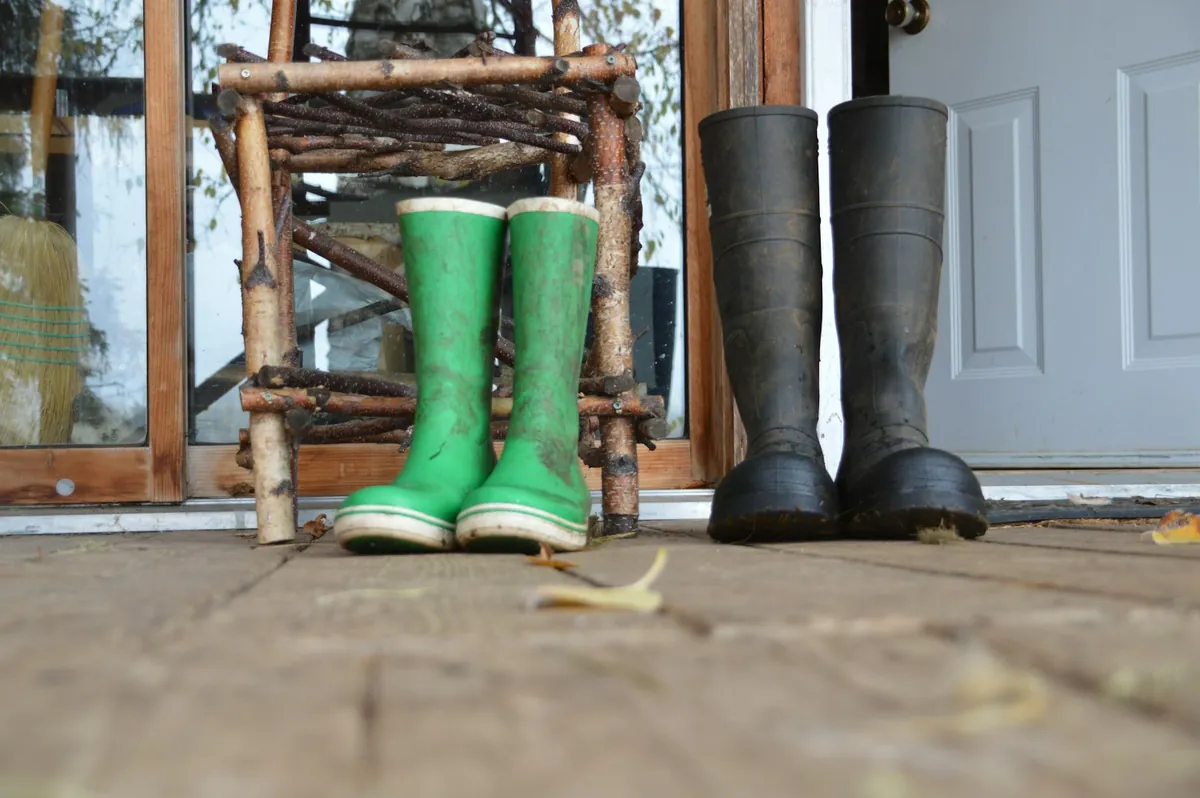
The plan was a nice morning out. What actually happened was thirty-five minutes in a hallway, one coat thrown down the stairs, both shoes on the wrong feet and everyone leaving in a worse mood than they woke up in.
The doorway is where family mornings go wrong, and it goes wrong for reasons that are fairly consistent and mostly fixable.
Why it is the hardest part of the day
Getting dressed to go out combines almost everything a toddler finds difficult, all at once and under time pressure.
It requires stopping something they were enjoying, accepting an adult agenda, tolerating sensory input they did not choose, doing something physically hard, and being hurried through all of it by somebody who is visibly stressed. Michigan State University Extension’s early childhood development resources cover the wider ground on transitions, and the underlying point is that this is a transition problem with clothing attached rather than a clothing problem.
The rush is the main ingredient
A parent who is late radiates it, and a two-year-old reads that instantly. Almost every doorway battle is worse than it needed to be because the adult was already behind.
The single most effective change is unglamorous: start ten minutes earlier than seems necessary. Ten minutes of slack converts a fight into a slow, mildly irritating process, and it costs less than the argument does.
The second is to stop treating it as one event. Coats and shoes at the door, with everyone standing up and the clock running, is the hardest possible configuration.
Change the sequence, not the child
What actually helps
- Shoes before coat, sitting down, away from the door. Bending over in a coat is genuinely awkward.
- Warn before you start. “Shoes in two minutes” beats arriving with a shoe in your hand.
- Get everything ready the night before, including your own things.
- Put your own coat on last, or they will watch you and stall.
- Move towards the next thing: “let’s go and find your boots” beats “stop playing”.
- Do it in the same order every day, so the routine carries them.
The shoes-first point is small and it removes a surprising amount of friction. A child in a coat trying to reach their own feet is being asked to do something physically harder than it looks.

The coat itself is often the problem
Some refusals are behavioural. A lot are not, and it is worth ruling out the physical explanations before treating it as a battle of wills.
Coats that are stiff, bulky, scratchy at the neck, or hard to get an arm into produce resistance in children who put on other clothes without complaint. So do labels, seams and hoods that press. If your child refuses one coat and accepts another, that is not defiance; that is information.
The practical fixes are dull: a softer lining, a size up so the arms go in easily, a zip rather than buttons, no label. And in a warm car, take it off — a child overheating in a coat learns to hate the coat.
Give them the part they can do
A three-year-old who wants to do it themselves and is not allowed to will fight you every morning. A three-year-old given one job they can actually complete will usually cooperate with the rest.
Pick something achievable: pulling the zip up from halfway, putting on one shoe, choosing which hat. Choice within a fixed frame works far better than open choice — “the red one or the blue one” is a question with an answer, and “what do you want to wear” on a wet Tuesday is not.
The flip-and-flick trick for coats is worth teaching around three: coat on the floor, hood at their feet, arms into the sleeves, flip it over their head. Most children find it much easier than being fed into a coat held up behind them, and it is theirs to do.
The wet-season version
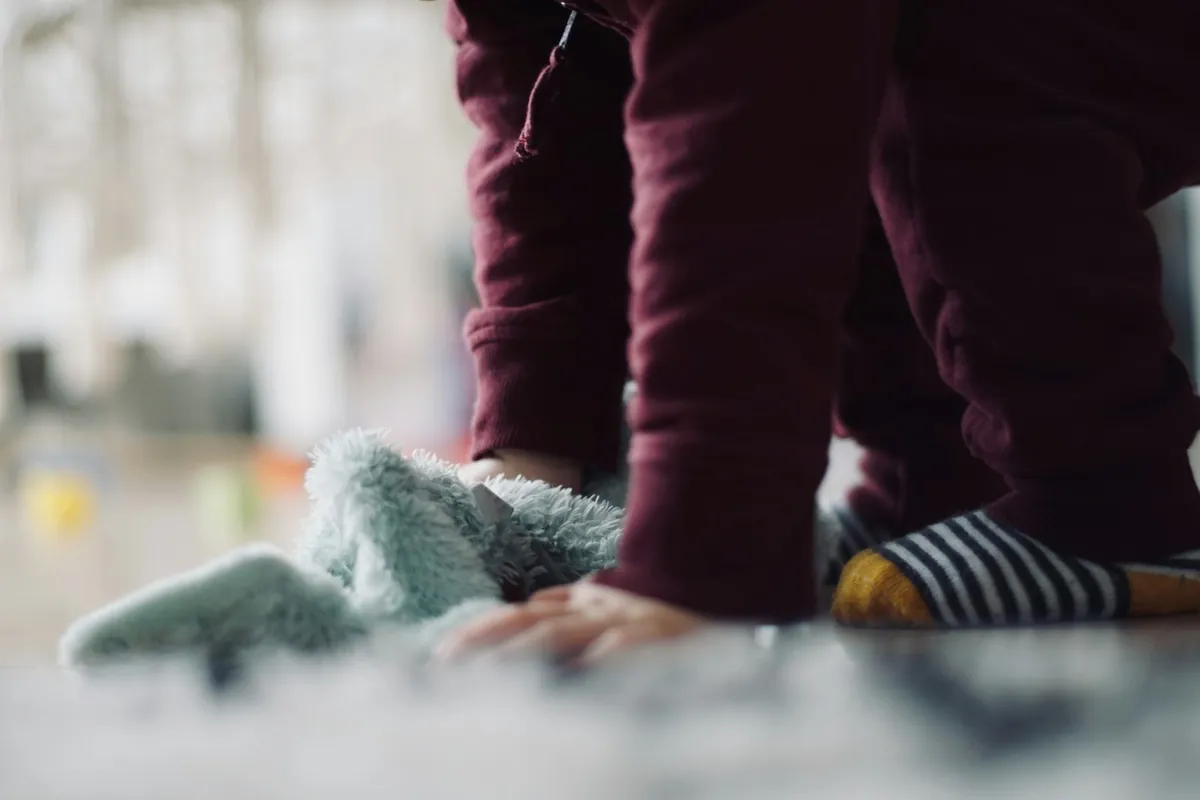
Through the wet months there is more of everything to put on, which makes the whole sequence longer and the stakes higher.
The thing that helps most is keeping the outdoor kit in one place by the door rather than distributed through the house. Waterproofs, wellies and a spare pair of socks in a single basket removes the five-minute search that derails the morning before it starts.
It is also worth being slightly less ambitious about the number of layers. A child who is comfortable in what they are wearing complains far less than one wrapped in an extra jumper they did not want, and our guide to rainy weeks with a toddler covers the wider wet-weather routine.
Shoes are their own category
Coats get the attention and shoes cause at least as many mornings to go wrong, usually for mechanical reasons rather than emotional ones.
Anything with laces is a bad idea at this age, and anything stiff is worse. Velcro that a child can operate themselves converts a job you do into a job they do, which changes the whole dynamic. Boots with a loop at the back, or a marked left and right inside, remove the two most common stalling points.
The other frequent culprit is socks. A sock with a seam across the toes, or one bunched at the heel, produces a refusal that looks like a refusal to wear shoes. It is worth checking before concluding anything about the shoes at all.
When it happens anyway
Some mornings it goes wrong regardless, and the useful thing then is to lower the target.
Carry the coat and put it on outside. Leave in socks with the shoes in a bag. Accept the wrong hat. None of these matter, and all of them are better than a twenty-minute standoff that means the outing starts with everyone upset.
If the whole morning has gone, it is also fine to not go. An outing is meant to improve the day; one that costs forty minutes of conflict to reach has already spent what it was going to earn.
Our guide to leaving without a meltdown covers the same mechanics at the other end of the outing, and a weekly routine with a toddler covers building the slack in. If you are heading somewhere indoors, our list of what to bring is worth packing the night before.
Frequently asked questions
Why does my toddler refuse to put on a coat?
Sometimes behaviour, often the coat. Stiff fabric, a scratchy neck, labels, a tight armhole or overheating all produce resistance in children who dress without complaint otherwise. If they accept one coat and refuse another, that is information rather than defiance.
What is the best order to get a toddler ready?
Shoes first, sitting down, away from the door, then the coat — bending over in a coat is genuinely awkward. Warn a couple of minutes before you start and keep the order the same every day.
How do I stop the morning becoming a fight?
Start ten minutes earlier than seems necessary. Most doorway battles are a scheduling problem, and a rushed adult makes a slow child slower.
Should I let my child dress themselves?
Give them one part they can genuinely complete — a zip from halfway, one shoe, choosing the hat — and offer choice within a fixed frame rather than open choice.
What should I do when we are already late?
Lower the target. Carry the coat and put it on outside, leave in socks with the shoes in a bag, accept the wrong hat. All of these beat a twenty-minute standoff.