Finding out what is on locally for under-fives is oddly difficult. There is no single list, the sessions that exist are often not advertised anywhere obvious, and the places most likely to have them are the ones least likely to have a slick website.
Once you know where to look it becomes much easier, and most of what is worth attending locally is free or close to it.
Start with the county library
The library system is the most reliable source of regular sessions for this age group, and the one most parents underuse.
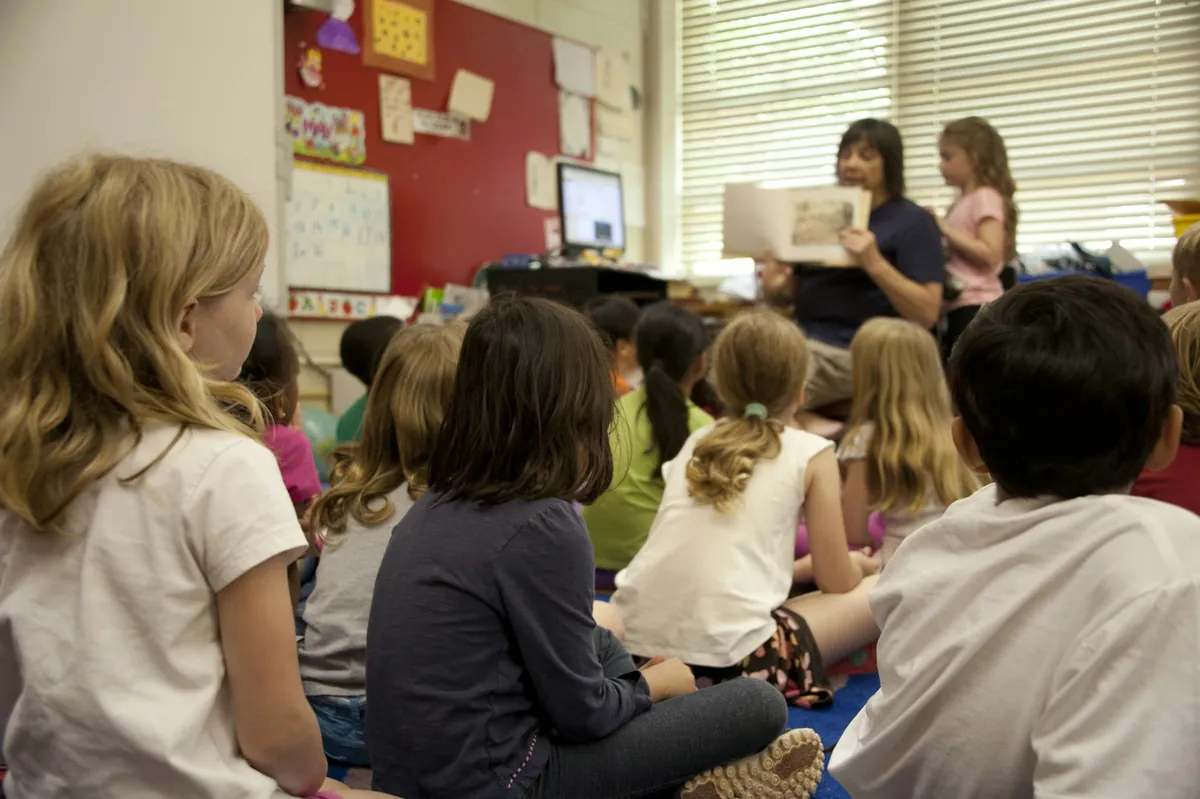
Libraries across Clackamas County run early-literacy sessions for babies, toddlers and preschoolers, along with drop-in playgroups at some branches. Sessions vary by branch, take breaks through the year and occasionally change day or time, so the county library’s pages for children are the thing to check rather than anything written elsewhere, including here.
Two practical notes. Some sessions cap numbers, so arriving a few minutes early matters more than it sounds. And a library card is generally free to county residents, which is worth sorting out on a first visit whether or not you are there for a session.
The difference between a drop-in and a class
These are not the same thing, and knowing which you are signing up for saves a wasted morning.
| Drop-in session | Booked class | |
|---|---|---|
| Commitment | None, turn up or not | A block, paid upfront |
| Cost | Free or small charge | Higher, per term |
| Structure | Loose, child-led | Led, with a plan |
| If you miss one | Nothing lost | Usually paid for anyway |
| Meeting people | Easier, more chat | Same faces every week |
| Suits | Unpredictable schedules, cautious children | Routine, older toddlers |
With a child under two, drop-ins are usually the better starting point. Paying for a ten-week block before you know whether your child will tolerate a led session is how a lot of money gets spent on four attended weeks.
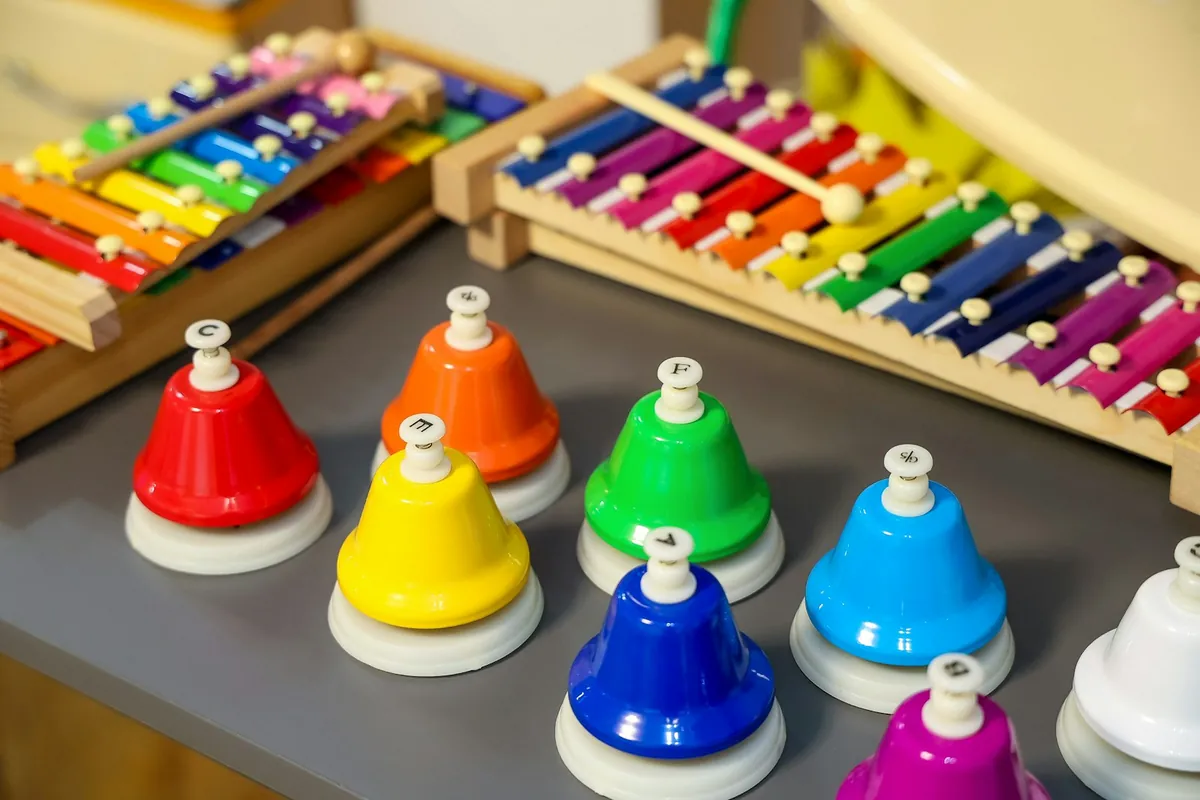
We run performers and hands-on classes here too — the current line-up is on our events page.
Where else things get listed
Beyond the library, sessions turn up in places that are not obviously search engines.
Worth checking
- The library noticeboard, which frequently lists things that are nowhere online.
- Parks and recreation programmes, which run seasonal toddler sessions.
- Community centres and churches, many of which host long-running playgroups.
- Local parent groups and forums, where word of mouth is genuinely the main channel.
- Cafes and play spaces, which often host or advertise sessions.
- Other parents at the school gate, who know things no website carries.
The noticeboard point is not nostalgia. A great many playgroups are run by volunteers with no website at all, and a laminated sheet on a wall is their entire marketing.
What these things typically cost
Prices vary a great deal and change, so treat anything you read as a shape rather than a figure — check with whoever runs the session.
The general pattern is that library and community sessions are free or ask for a small voluntary contribution, church and volunteer-run playgroups charge a nominal amount per session, parks and recreation programmes sit in the middle and are usually booked by term, and commercially run classes — music, movement, swimming — are the most expensive and almost always sold as a block.
With a child under two it is worth exhausting the free end of that list before paying for anything. Not because the paid classes are poor, but because at that age the difference the child notices between a paid class and a free playgroup is very close to nothing.
Choosing one that suits your child
The best-reviewed class in the area may be entirely wrong for your particular child, and the mismatch is usually about temperament rather than quality.
A child who takes a long time to warm up will struggle with a led session that begins the moment you arrive, and will do much better somewhere they can watch from the edge for twenty minutes first. A child who needs to move will not enjoy a sitting-down session, however good. And an unusually noisy hall is a genuine obstacle for some children rather than a detail.
Our guide to the child who will not leave your side covers the first of those in more depth.
What a first visit tells you
Go once before committing to anything, and pay attention to the room rather than the activity.
Do the adults talk to each other, or sit in silence looking at phones? Does whoever runs it acknowledge new people? Is there space for a child who does not want to join in? Is anyone policing behaviour in a way that would make a hard morning worse?
Those things determine whether you go back far more than the songs do. A mediocre session in a warm room with friendly people beats an excellent one where nobody speaks to you.
What these sessions actually do
It is worth being clear about the point, because parents sometimes arrive expecting a lesson and leave disappointed that it was twenty minutes of songs.
For the child, the value is repetition and other children: the same rhymes week after week, the experience of being in a group, and the ordinary business of being near people who are not family. Almost none of it looks impressive on any given morning, and it accumulates.
For the adult, the value is different and frequently larger. A fixed hour in the week where somebody else decides what happens, in a room with other people in the same situation, is worth attending even on the mornings when your child refuses to participate at all.
Building it into the week
One fixed session a week does more than three sporadic ones. It gives the week a shape, it means you see the same faces often enough to actually know them, and it removes a decision from one morning permanently.
Pair it with something else nearby to make the trip worth it — a park afterwards, or somewhere warm on a wet day. Our guide to free things to do with kids in Milwaukie covers the no-cost options, indoor activities in Milwaukie covers wet days, and meeting other parents covers the part that makes it stick. Once you have met a family you get on with, planning a toddler playdate is the natural next step. Our visit page has our opening hours.
Frequently asked questions
Where can I find toddler story times near Milwaukie?
The Clackamas County library system is the most reliable source. Sessions vary by branch and change through the year, so check the county library’s pages for children rather than any third-party listing.
Are library story times free?
Sessions of this kind are generally free to attend and a library card is normally free to county residents. Some sessions cap numbers, so arriving a few minutes early is worth doing.
Should I book a class or find a drop-in?
Under two, start with drop-ins. They cost little, nothing is lost if you miss one, and you find out whether your child tolerates a group session before paying for a ten-week block.
How do I find playgroups that are not listed online?
Check library and community centre noticeboards, parks and recreation programmes, churches and local parent groups. Many playgroups are volunteer-run with no website at all.
How do I know if a group is right for my child?
Go once and watch the room rather than the activity. Whether adults talk to each other, whether new people are acknowledged, and whether there is space for a child who does not want to join in matter more than the songs.