
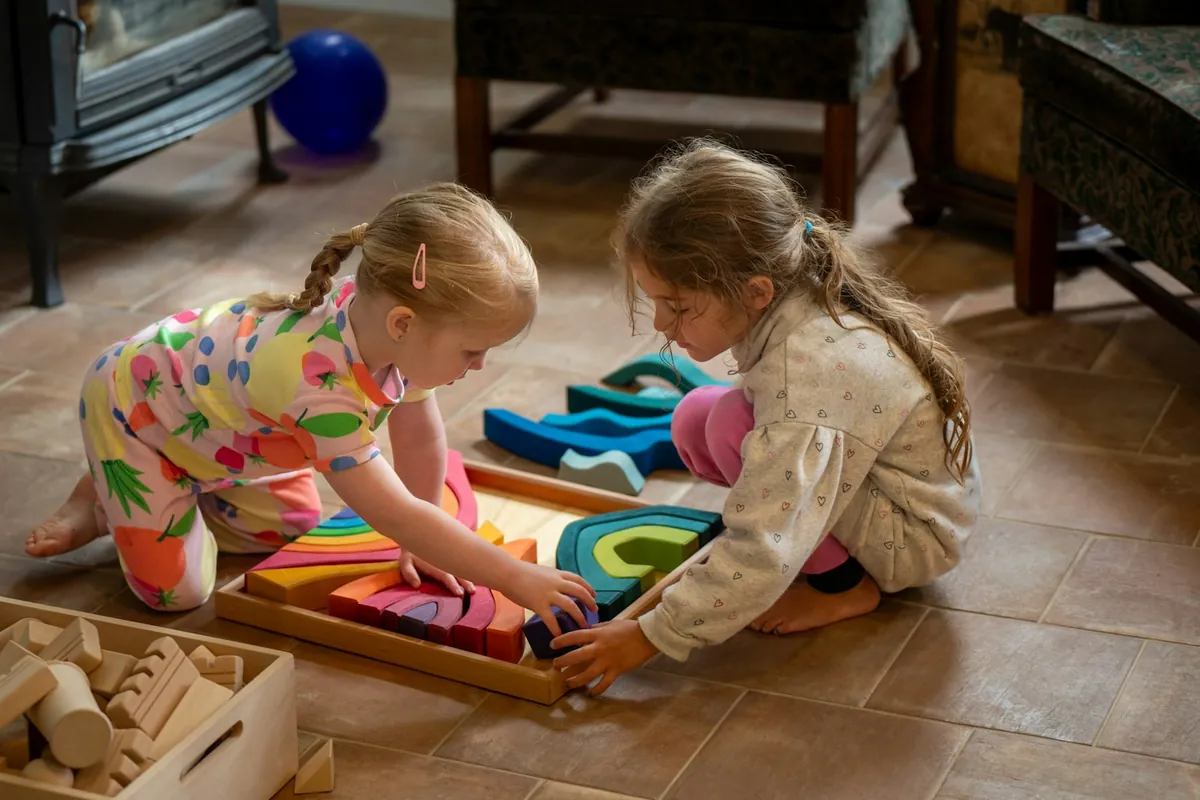
A toddler playdate is a short, low-structure meet-up between two or three small children and their adults. The main planning decisions are how long, where, and what happens when both children want the same toy.

Quick answer: keep it to about an hour for one to three year olds, and ninety minutes at most. Hold it mid-morning, keep the group to two or three children, and choose neutral ground for the first one. Short and slightly too early beats long and slightly too late.
How long should it last?
| Age | Length | Why |
|---|---|---|
| Under 1 | 30–45 minutes | Mostly parallel play; it is really for the adults |
| 1–2 years | About 1 hour | Sharing is not developed yet, so friction builds |
| 2–3 years | 1–1.5 hours | Longer play, but overstimulation arrives fast |
| 3–5 years | 1.5–2 hours | Genuine cooperative play; they will ask for more |
Err short. A playdate that ends while both children are still enjoying themselves gets repeated. A playdate that ends in two tired meltdowns does not.
Where to hold it
At home
- Free, and familiar for your child
- Nap and nappies are easy
- You control the environment entirely
- Best once the children already know each other
Somewhere neutral
- No sharing conflict over “my” toys
- Nobody has to tidy beforehand or afterwards
- Natural end point when you leave
- Easier for a first meet-up between families
Neutral ground is genuinely underrated for a first playdate. At home, a two-year-old is being asked to share their own possessions with a near-stranger, which is a hard thing to ask. In a park, a library or an indoor play space, nothing belongs to anybody and the whole problem largely disappears.
Indoors matters through the wet months, which is when a play cafe or a library session tends to become the default. If you are meeting at a venue, our notes on what to bring apply.
Setting it up
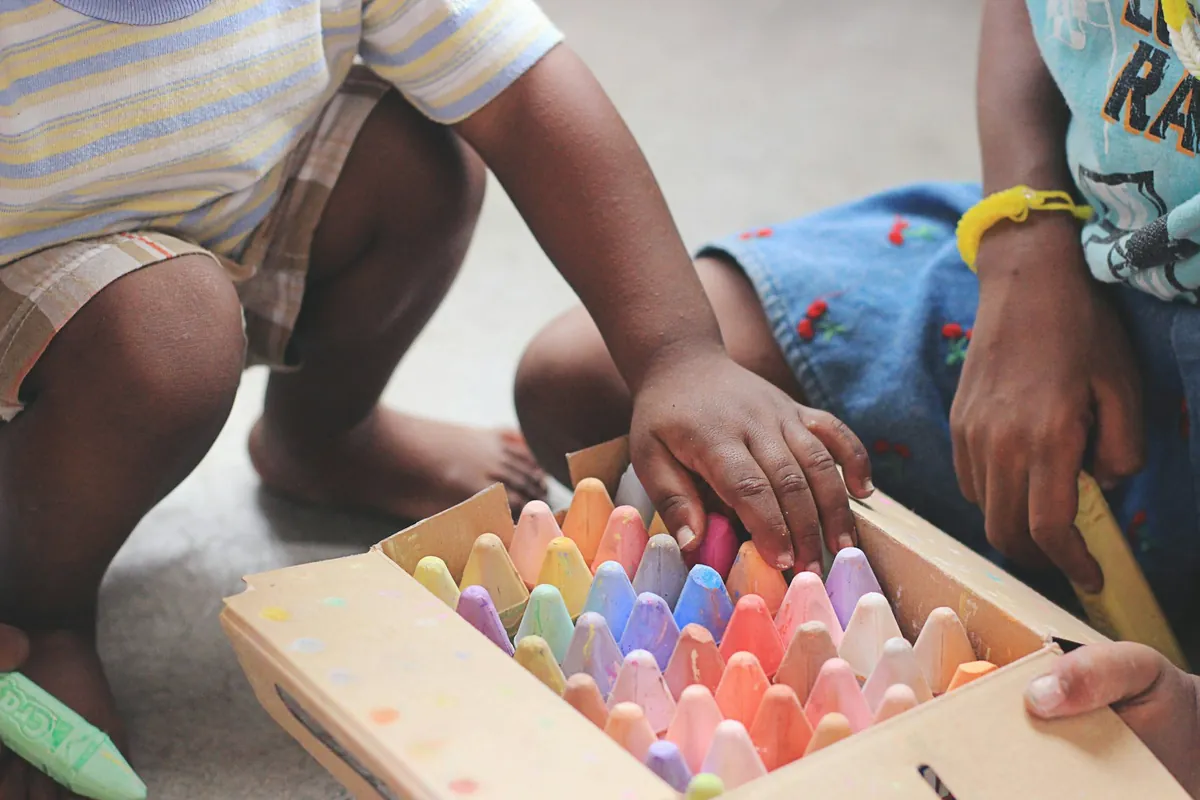
- Suggest a specific time and an end time. “Tuesday 10 to 11” is far easier to answer than “sometime next week”.
- Keep it to two or three children. Four toddlers is a party, not a playdate.
- Ask about allergies and nap times when you agree the plan, not on the day.
- Say whether food is involved. A snack, a meal or nothing — just be clear.
- Confirm the morning of. Small children get ill at short notice, and everyone knows it.
Preparing your own child
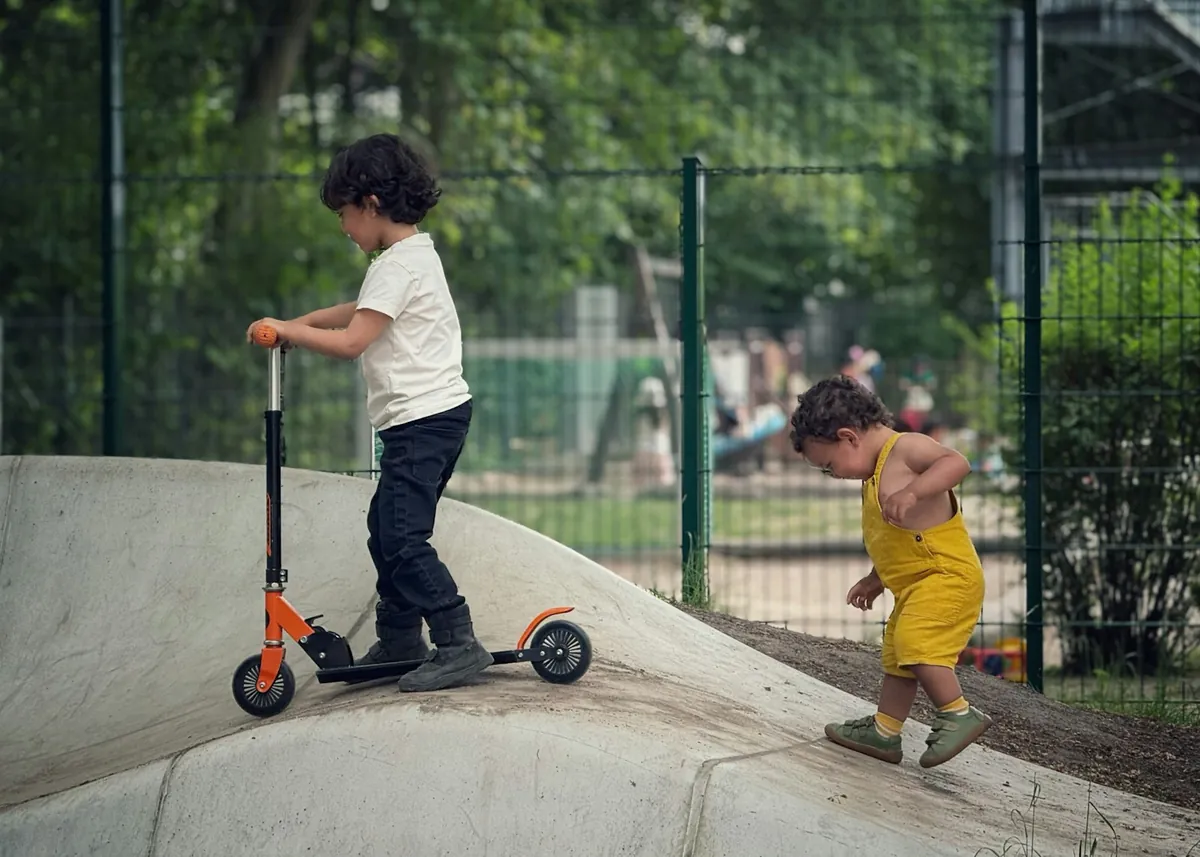
Tell them who is coming and when, in simple terms, shortly before rather than days ahead. If it is at your house, let them put away two or three things they genuinely cannot bear to share. Making that choice in advance prevents most of the worst moments later.
Then get out anything that works well in pairs — duplicate diggers, a set of blocks, a train track, playdough. Two of a similar thing prevents more conflict than any amount of negotiation.

What to expect from the play itself
Under about two and a half, children mostly play alongside each other rather than together. They will sit near one another doing separate things, glance across, and occasionally collide. That is normal and does not mean the playdate has failed.
Genuine cooperative play — shared games, invented rules, roles — usually arrives closer to three. ZERO TO THREE’s guidance on helping young children build relationships is a useful frame here: sharing and turn-taking are skills that need practice, and a playdate is the practice.

Handling the sharing problem
- Stay close for the first twenty minutes. Most conflict happens early, before they settle.
- Intervene physically and briefly. Hand the toy back, offer an alternative, move on. Long explanations do not land at this age.
- Do not force apologies. A two-year-old saying sorry under duress has learned nothing.
- Use timers for one contested item. From about three, “two minutes then it is Sam’s turn” works.
- Let small things go. Not every grab needs adult involvement.
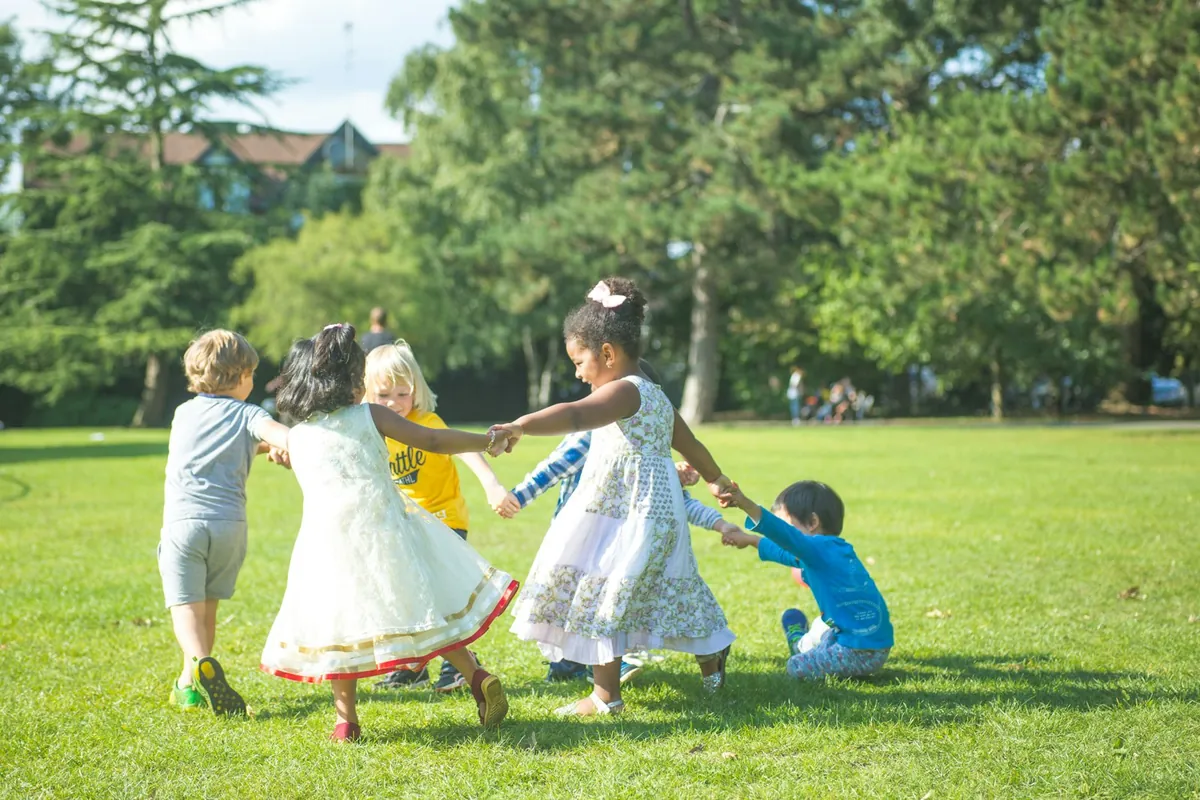
If you are still looking for people to arrange playdates with, see how to meet other parents.
Our guide to sharing, snatching and turn-taking goes into what to do when two toddlers want the same thing.
Ending it well
The last ten minutes
- Give a five-minute warning to both children
- Start tidying together as the signal
- Say a proper goodbye rather than slipping out
- Leave before anyone is overtired, even if it is going well
- Follow up with a message the same day if you would like to do it again
What to have ready if you are hosting
A short host checklist
- Two or three duplicate toys out, everything else away
- The one or two things your child cannot share, hidden
- A simple snack and water, allergies checked in advance
- A wipeable surface for anything messy
- Stair gates closed and small objects cleared
- A quiet room available if one child needs a break
- Nappies and wipes somewhere obvious for the visiting parent
Resist the urge to plan activities. A craft table sounds lovely and will occupy two toddlers for roughly four minutes. Free play with a small selection of good toys lasts far longer.
Playdates with an age gap
A three-year-old and a one-year-old is a common combination, and it needs slightly different handling. The younger child will want whatever the older one has; the older one will find the younger one frustrating.
- Give the older child somewhere the baby cannot reach — a table, a corner, a raised surface.
- Choose toys that work at both levels: blocks, balls, musical instruments, water play.
- Expect to referee more, not less.
- Keep it shorter than you would for two children of the same age.
When it does not go well
Some playdates are simply a write-off. One child is coming down with something, or they are at that stage where every interaction ends in a grab. It is worth knowing that this reflects the age far more than the relationship, and that the same two children may play beautifully together six weeks later.
If it ends badly, end it early and send a friendly message afterwards. Most parents are relieved rather than offended — they were probably thinking the same thing.
Frequently asked questions
How long should a toddler playdate last?
About an hour for one to three year olds, up to ninety minutes at most. Older preschoolers manage one and a half to two hours.
At what age do playdates start being worth it?
From around twelve months children benefit from being around others, though they play alongside rather than with each other. Cooperative play generally arrives closer to three.
Should parents stay at a toddler playdate?
Yes. At this age both adults stay, and much of the value of the playdate is the adult conversation.
How many children should I invite?
Two or three in total. More than that changes the dynamic entirely and produces more conflict than play.
What if the children ignore each other?
That is a normal and successful toddler playdate. Playing in parallel is the developmental stage they are at, not a sign that it went badly.
In short
One hour, mid-morning, two or three children, somewhere neutral for the first one. Duplicate toys, a five-minute warning, and an early finish. Most of what makes a playdate work is decided before anyone arrives.
Somewhere neutral to meet
Two Sisters Play Cafe has an indoor playroom next to the cafe tables — play for them, a coffee and a conversation for you.